


 Asian Currencies Weaken as Dollar, Oil Prices Rise
  U.S. Stock Futures Fall as Iran, Oil and AI Risks Rattle Markets
  RBA Hikes Interest Rate to 4.60% as Inflation Risks Rise
  Australia Budget Deficit Narrows to A$22.3 Billion on Stronger Tax Revenue
  Gold Plunges 4% as Treasury Yields Surge and Fed Rate Hike Bets Rise
  U.S. Stock Futures Steady as AI, Rate Concerns Weigh
  BOJ Set for 25-Basis-Point Rate Hike as Yen Weakness Fuels Inflation
  Japan Warns Markets Over Yen Weakness
  ECB May Stop Rate Hikes After December, Capital Economics Says
  RBA Set for September Rate Hike as Inflation Stays High
  Oil Prices Jump Nearly 3% as Iran Holds Firm on Hormuz Conditions


 Add as a preferred source on Google
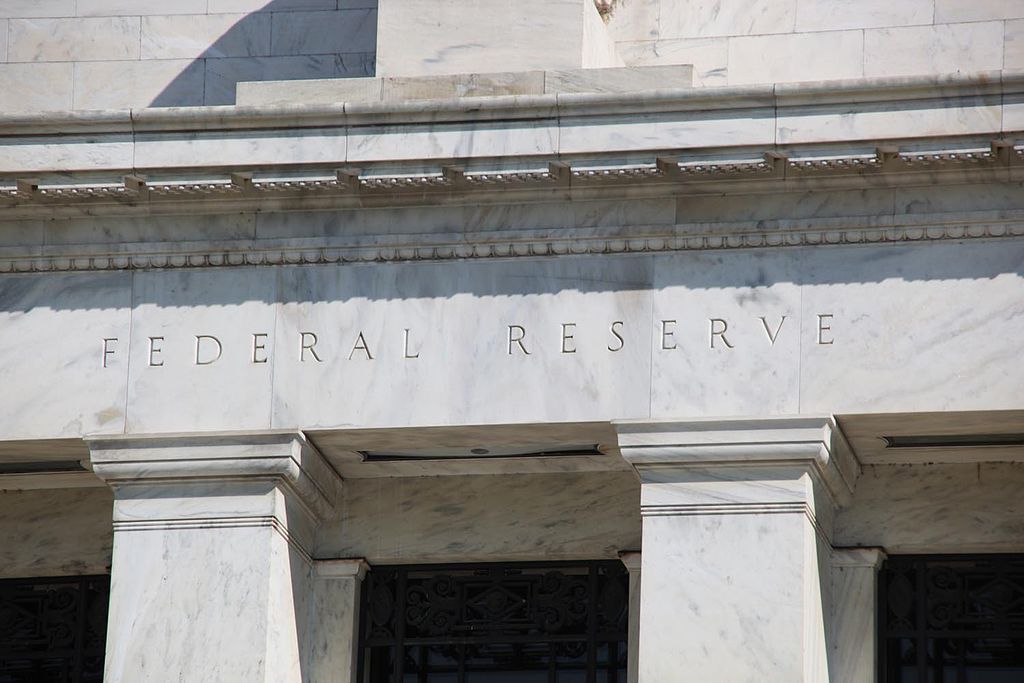
Federal Reserve Chair Kevin Warsh unveiled sweeping plans to review key central bank practices on Wednesday while signaling an end to forward guidance, marking what he described as a “new chapter” for U.S. monetary policy. Despite the significant policy shift, investors focused primarily on the Federal Open Market Committee’s (FOMC) more hawkish interest rate outlook.
The FOMC unanimously voted to keep the federal funds rate unchanged at 3.50%-3.75%, in line with market expectations. However, the updated Summary of Economic Projections (SEP), commonly known as the dot plot, projected the benchmark rate at 3.8% by the end of 2026, up from 3.4% in March. The revised forecast suggests one additional 25-basis-point rate hike.
Financial markets reacted negatively to the more aggressive rate outlook. The S&P 500 fell 1.2%, marking its worst performance on the first policy decision day under a new Fed chair. Treasury yields surged as investors sold government bonds, with the 2-year Treasury yield jumping nearly 17 basis points to 4.212% and the 10-year yield rising to 4.492%. The U.S. dollar also strengthened.
Market concerns were amplified by persistent inflation pressures and uncertainty surrounding global energy markets. Analysts noted that elevated oil prices linked to tensions in the Middle East continue to pose inflation risks, making near-term rate cuts increasingly difficult to justify.
Warsh also introduced five new Federal Reserve task forces focused on communications, balance sheet policy, data usage, productivity and employment trends, and inflation frameworks. While the Fed’s 2% inflation target will remain unchanged, the reviews could lead to major changes in how the central bank communicates policy decisions and evaluates economic conditions.
The Fed’s latest policy statement was significantly shorter than previous versions, emphasizing economic growth, labor market stability, and elevated inflation. Warsh said the streamlined approach is intended to provide markets with facts rather than policy guidance.
According to Warsh, reducing reliance on forward guidance should encourage investors to focus more on economic data and less on predicting Federal Reserve actions. He acknowledged that markets may experience short-term volatility as they adapt to the central bank’s new approach but stressed that maintaining price stability remains the Fed’s top priority.







