


 New York Declares Measles Disaster Emergency as Cases Surge
  BOJ Signals Faster Rate Hikes as Inflation Risks Grow
  Cuba Says US Contacts Continue but Formal Talks Remain Stalled
  California Woman Arrested Over Alleged Spying on Taiwan President’s Son
  Yen in Focus as BOJ, Fed Rate Hikes Reshape Currency Markets
  Russian Bombs Kill Six, Injure Nearly 60 in Kharkiv
  Fed’s Hammack Says More Data Needed Before Next Rate Move
  World Bank Raises South Asia Growth Forecast to 6.9%
  Yemen Launches Major Offensive to Retake Houthi-Held Areas
  Ethiopia-Tigray Fighting Intensifies as Airstrikes Kill 17
  Gold Prices Slip as Strong Dollar and High Treasury Yields Weigh
  India-US Trade Deal Talks Hit Plateau, Sitharaman Says
  OPEC+ Keeps November Oil Output Targets Steady
  Flavio Bolsonaro, Lula Head to Brazil Presidential Runoff
  RBA Set for September Rate Hike as Inflation Stays High
  Australia Probes Flydubai Co-Pilot’s Links After FZ1073 Hijack Attempt


 Add as a preferred source on Google
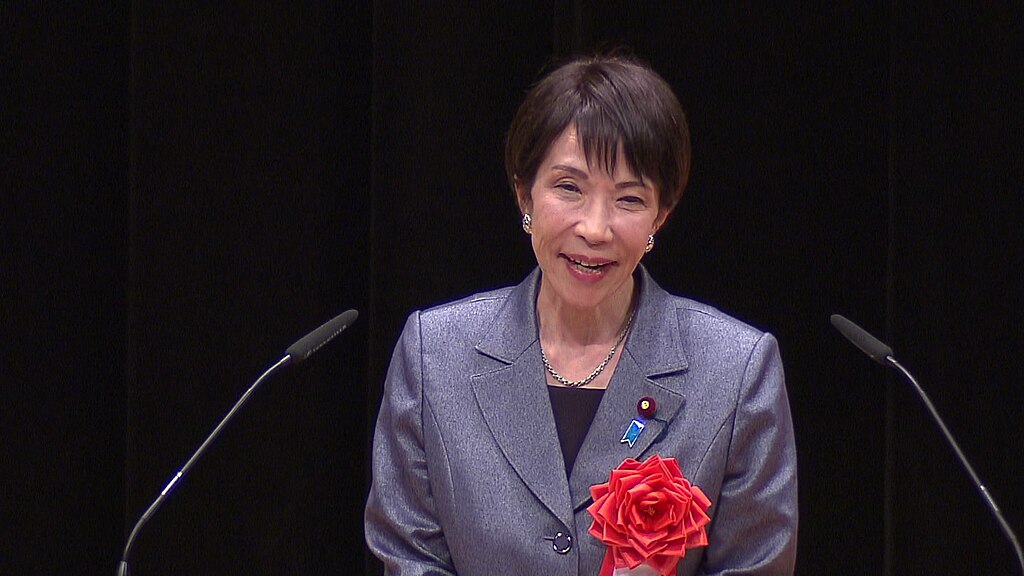
Japanese Prime Minister Sanae Takaichi unveiled her first economic policy blueprint on Tuesday, pledging to increase investment in strategic growth sectors while reaffirming cooperation with the Bank of Japan (BOJ). However, the plan has done little to ease investor concerns over fiscal spending and potential political influence on monetary policy, with Japanese government bond yields remaining near multi-decade highs.
Markets have closely watched Takaichi’s economic agenda amid fears that her administration could encourage higher government spending and pressure the BOJ to delay further interest rate hikes. Those concerns intensified as Japan’s long-term borrowing costs climbed sharply since June, prompting officials to revise the blueprint several times before its approval.
An earlier draft included language supporting monetary policy that would "bolster private demand," but the phrase was removed after bond yields surged. A later version also unsettled investors by appearing to link BOJ policy directly to the government’s growth strategy. The final document clarified that the central bank independently sets monetary policy to achieve stable inflation, while adding a footnote referencing Japan’s legal protections for BOJ independence.
Although the blueprint still calls for coordination between the government and the BOJ, it acknowledges the central bank’s autonomy under Japanese law. The document states that appropriate monetary policy remains essential for maintaining stable price growth and supporting a stronger economy.
Takaichi, a long-time supporter of former Prime Minister Shinzo Abe’s "Abenomics" strategy of aggressive fiscal spending and accommodative monetary policy, pledged to reverse years of underinvestment by encouraging public and private capital into strategic industries. The government expects combined investment to exceed 370 trillion yen (about $2.28 trillion) by fiscal 2040.
The blueprint also shifts away from previous administrations’ emphasis on restoring fiscal discipline, instead prioritizing economic expansion alongside long-term fiscal sustainability.
Since taking office in October, Takaichi has consistently promoted investment-led growth while expressing caution over the BOJ’s rate hikes. Meanwhile, the BOJ, which ended its massive stimulus program in 2024, has continued gradually tightening policy, raising its benchmark rate to 1% in June while signaling that further increases remain possible if economic conditions support them.







