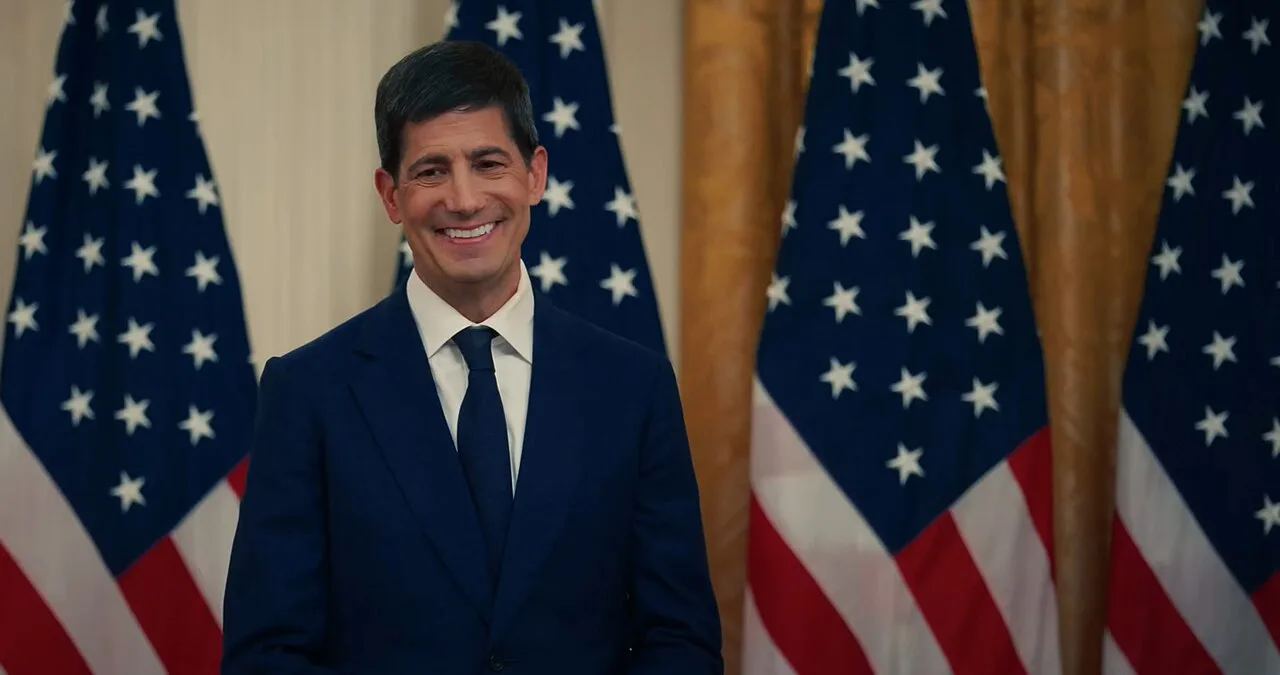
Federal Reserve Chair Kevin Warsh said Friday that artificial intelligence (AI) could significantly improve U.S. economic productivity over the medium term, although the transition may create uncertainty for businesses, workers and monetary policymakers.
Speaking at an International Monetary Fund (IMF) forum during its annual meetings in Bangkok, Warsh described AI as one of the most transformative economic developments of his lifetime, with potentially far-reaching consequences for the United States and global markets.
Warsh explained that artificial intelligence investment is currently stimulating economic demand, while its longer-term benefits are expected to strengthen the supply side of the economy.
He expressed confidence that AI would eventually generate a positive supply shock, potentially improving productivity and supporting sustainable economic growth.
However, the Fed chair cautioned that widespread AI adoption could disrupt employment, reshape market competition and create uncertainty about which businesses will benefit most from technological advances.
These developments could complicate Federal Reserve monetary policy decisions as officials evaluate AI's potential effects on inflation, labor markets, productivity and financial stability.
Warsh reaffirmed the central bank's commitment to restoring price stability following its decision to withdraw some monetary policy accommodation in September.
Despite questions about the Federal Reserve's next interest rate decision, he declined to provide guidance on upcoming policy changes.
"I don't prejudge meetings," Warsh said, emphasizing that policymakers would review economic growth, employment conditions and inflation data before their remaining meetings in 2026.
He also highlighted persistent inflation as a major challenge confronting central banks worldwide, stressing the importance of maintaining monetary discipline despite differences in national economic conditions.
Meanwhile, Warsh pointed to strong investment activity across the U.S. economy, extending beyond artificial intelligence infrastructure, as an important driver of economic expansion.
He added that global economic growth had demonstrated greater resilience than anticipated despite geopolitical conflicts and ongoing uncertainty.
The Federal Reserve is also expanding its examination of AI's economic implications through external task forces focused on productivity and employment.
One task force is scheduled to hold its first field hearing in the San Francisco Bay Area on November 16.
Warsh emphasized that central bankers must challenge traditional economic assumptions and remain adaptable as artificial intelligence and structural changes transform the global economy.