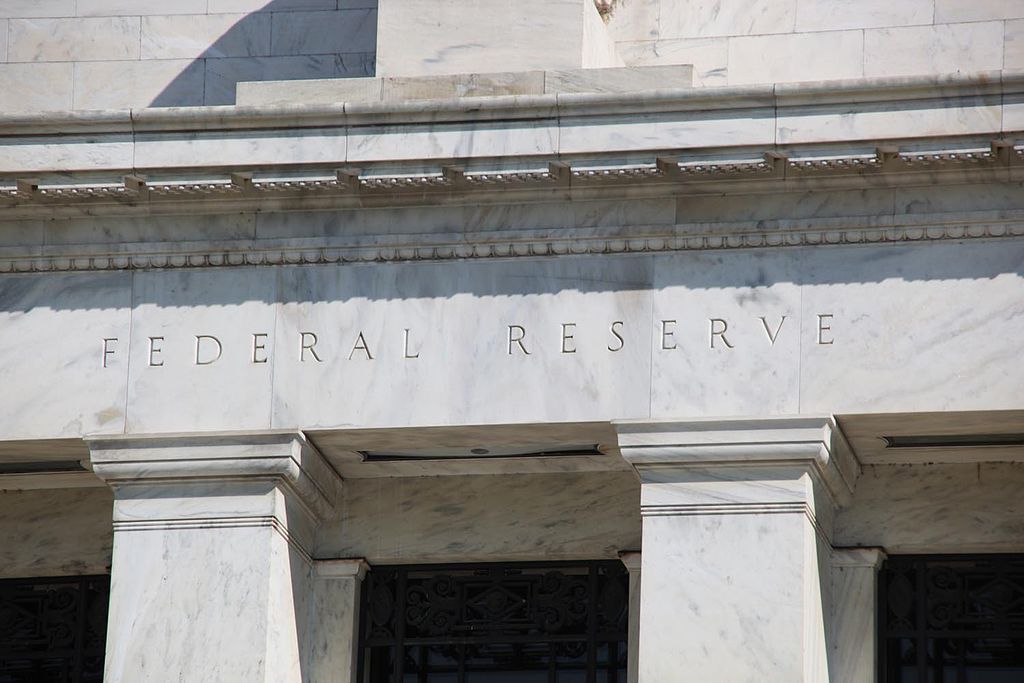
The U.S. dollar recorded its biggest one-day decline in nearly four weeks on Wednesday after the Federal Reserve left interest rates unchanged, easing concerns that policymakers could unexpectedly tighten monetary policy. The U.S. Dollar Index (DXY), which measures the greenback against six major currencies, fell 0.5% to 100.89.
The Federal Open Market Committee (FOMC) maintained the federal funds rate at 3.50% to 3.75% for a fifth consecutive meeting. Although markets largely anticipated no policy change, rising oil prices and inflation concerns had increased speculation about a possible rate hike.
The decision was not unanimous. Cleveland Fed President Beth Hammack, Minneapolis Fed President Neel Kashkari, and Dallas Fed President Lorie Logan favored a 25-basis-point increase, highlighting growing divisions within the central bank. KPMG Chief Economist Diane Swonk said the expanding group of hawkish policymakers suggests the Fed could take a firmer stance if inflation remains persistent.
During his post-meeting press conference, Fed Chair Kevin Warsh described the discussions as a “good family fight,” noting that policymakers debated persistent inflation, recent economic shocks, price pressures, and available policy tools. He added that June’s softer inflation data had little influence on the decision. Warsh also emphasized that the recent surge in Treasury yields has effectively tightened financial conditions, with the benchmark 10-year Treasury yield climbing more than 14 basis points since the Fed’s June meeting.
Meanwhile, geopolitical tensions added to market volatility after the U.S. military said it repelled a surprise missile attack by Iran’s Islamic Revolutionary Guard Corps targeting American forces in the Middle East. President Donald Trump said the U.S. would respond forcefully, while the U.S. and Saudi Arabia reportedly carried out precision strikes against Iran-backed groups in Iraq. The developments pushed oil prices higher after a recent decline.
The weaker dollar boosted major currencies. The euro climbed 0.7% to $1.1462, while the British pound gained 0.6% to $1.3361 ahead of the Bank of England’s policy decision. The Japanese yen strengthened for the fourth time in six sessions, with USD/JPY falling 0.3% to 163.41. In contrast, the Australian dollar slipped 0.3% to $0.6953 despite data showing inflation eased to 3.8% in June, reinforcing expectations that the Reserve Bank of Australia may remain cautious on future policy moves.