


 European Stocks Diverge as French Fiscal Crisis Hits CAC 40
  Fed Unveils Stablecoin Rules Under GENIUS Act
  Oil Prices Fall as Middle East Exports Recover, G7 Eases Supply Fears
  ECB May Stop Rate Hikes After December, Capital Economics Says
  BlackRock’s Rick Rieder Favors Bonds Over Stocks as Treasury Yields Surge
  Gold Prices Slip as Strong Dollar and High Treasury Yields Weigh
  Fed Unveils Stablecoin Rules Under GENIUS Act
  RBI Uses $10 Billion Currency Swaps to Drain Excess Rupee Liquidity
  Asian Stocks Rally as Soft US Jobs Data Boosts Tech
  Trump Plans Diesel Tax Relief as Fuel Prices Hit Record Highs
  China Shuts 670 Banks as Bitcoin Eyes Financial Risks
  Ukraine Faces $56 Billion Budget Gap as War Costs Soar
  BOJ Signals Faster Rate Hikes as Inflation Risks Grow
  Yen Sinks as BOJ Rate Hike Fails to Impress Markets
  Australia Consumer Confidence Plunges as RBA Rate Hike Hits Households


 Add as a preferred source on Google
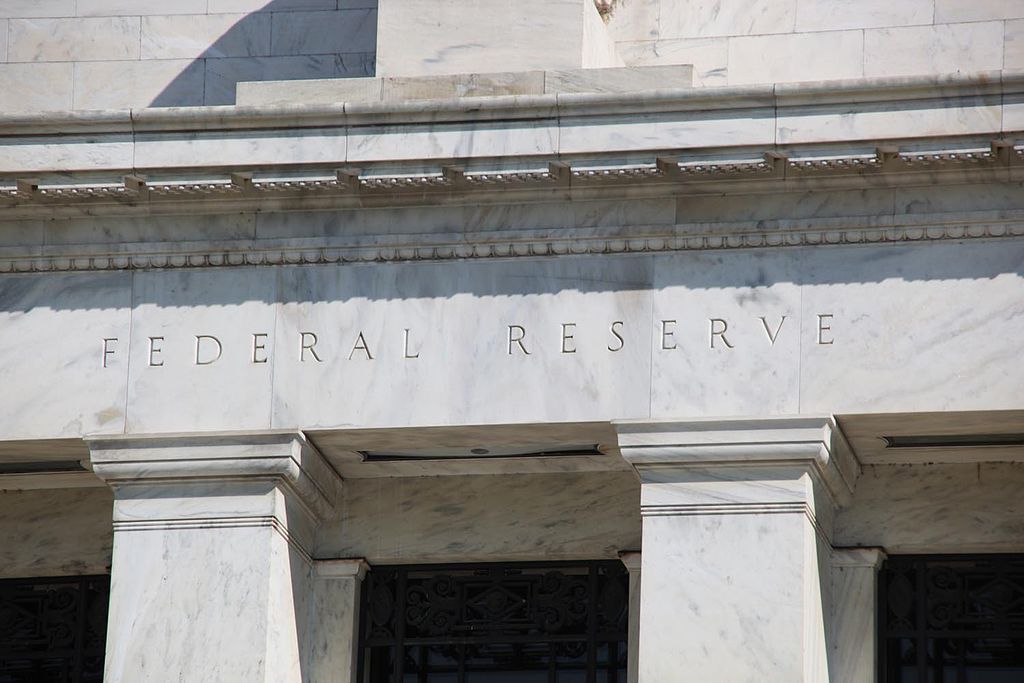
Federal Reserve officials indicated that additional interest rate hikes could be necessary if inflation fails to ease, according to minutes from the central bank’s July Federal Open Market Committee (FOMC) meeting.
The Fed kept the federal funds rate unchanged at 3.50%-3.75% for a fifth consecutive meeting. However, Cleveland Fed President Beth Hammack, Minneapolis Fed President Neel Kashkari and Dallas Fed President Lorie Logan supported a 25-basis-point rate increase.
Most policymakers favored holding rates steady while waiting for additional economic data to provide greater clarity on the U.S. inflation outlook. Several officials, however, argued that persistent and broad-based price pressures justified a more restrictive monetary policy stance.
Recent economic indicators have complicated the Fed interest rate outlook. July nonfarm payrolls were weaker than expected, while headline and core consumer and producer inflation showed signs of moderating. Those developments have reduced the urgency for an immediate rate hike.
Inflation risks nevertheless remain elevated. The renewed U.S.-Iran conflict has contributed to higher oil prices, potentially increasing inflationary pressures in August. Fed officials warned that a prolonged Middle East conflict could disrupt supply chains and push prices higher.
Long-term U.S. Treasury bonds have also faced significant selling pressure amid concerns about inflation and heavy corporate debt issuance linked to artificial intelligence infrastructure investment. The U.S. Treasury responded by announcing plans to at least double buyback operations for long-dated bonds.
The Federal Reserve maintains a long-term inflation target of 2% and closely monitors the core personal consumption expenditures (PCE) price index. Core PCE inflation has remained above 2% since early 2021.
New Fed Chair Kevin Warsh has meanwhile avoided providing extensive forward guidance and launched a broad review of central bank operations through five task forces.
KPMG U.S. Chief Economist Diane Swonk characterized the July Fed minutes as more hawkish than the official vote suggested, noting that concerns about persistent inflation outweighed worries about economic growth and the labor market.
Wall Street largely maintained its gains following the release, while investors continued focusing on Treasury yields, inflation trends and the Fed’s next interest rate decision.







