


 S&P 500 Futures Rise Ahead of US Inflation Data and Bank Earnings
  Samsung, SK Hynix Shares Plunge as China Chip Competition Grows
  Fed's Hammack Urges Faster Rate Hikes to Fight Inflation
  RBI Raises Repo Rate to 5.50% in Hawkish Shift on Inflation Risks
  Philippines Current Account Deficit Seen at $19.1 Billion in 2026
  Asian Stocks Plunge as AI Chip Selloff Hits South Korea and Japan
  BlackRock’s Rick Rieder Favors Bonds Over Stocks as Treasury Yields Surge
  Asian Stocks Fall as Oil Prices Rise Ahead of US CPI Data
  Wall Street Ends Mixed as Investors Await CPI and Bank Earnings
  IMF Maintains 2027 Global Growth Forecast at 3.4% Amid Rising Risks
  RBA Hikes Interest Rate to 4.60% as Inflation Risks Rise
  Fed’s Hammack Says More Data Needed Before Next Rate Move
  European Stocks Rise as Oil Prices Fall Ahead of US CPI
  Nasdaq Falls as Oil Prices Surge Ahead of Bank Earnings
  Fed’s Williams Sees One More Rate Hike in 2026, None in 2027


 Add as a preferred source on Google
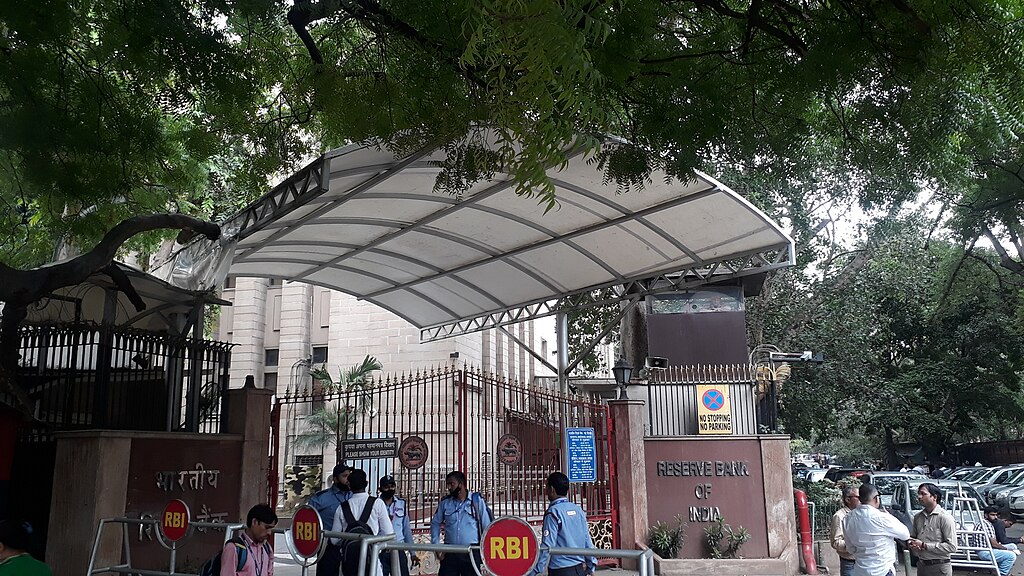
The Reserve Bank of India has conducted at least $10 billion worth of currency swaps in recent weeks as it moves to absorb excess liquidity from the country’s financial system and contain potential inflation risks, Bloomberg reported Thursday.
The RBI carried out sell-buy dollar-rupee swaps with commercial lenders over the past two weeks, according to people familiar with the transactions. The swaps reportedly have maturities ranging from one month to roughly six months.
Under a sell-buy currency swap, the RBI sells U.S. dollars to banks in exchange for Indian rupees while agreeing to reverse the transaction at a specified future date. The operation temporarily removes rupees from the banking system, allowing the central bank to reduce surplus liquidity without relying solely on traditional monetary policy tools.
The latest RBI currency swaps are larger than similar operations publicly announced in recent years, Bloomberg reported. The scale highlights the challenge facing policymakers as they seek to manage an unusually large amount of cash circulating through India's banking system.
Liquidity has surged after RBI measures aimed at attracting overseas capital generated more than $140 billion in foreign inflows. That figure substantially exceeded official expectations and contributed to a sharp increase in available funds across the financial sector.
Earlier this month, surplus banking system liquidity climbed to a record 11 trillion rupees, increasing pressure on the RBI to absorb excess cash. Persistently high liquidity can weaken the transmission of monetary policy and potentially fuel inflation by making funding more readily available.
The RBI’s dollar-rupee swaps offer policymakers a way to temporarily tighten domestic liquidity while managing foreign-exchange flows. The operations also underscore the central bank’s effort to balance strong capital inflows with its broader goals of maintaining price stability and orderly financial conditions.
Investors are likely to continue watching RBI liquidity operations closely for indications of how aggressively the central bank intends to manage the cash surplus and potential inflationary pressures.







