


 Tsai Warns of China’s Sustained Pressure on Taiwan
  Maduro, Wife May Face New US Torture Charges
  Gold Prices Rise as Dollar Weakens, Treasury Yields Fall
  Asian Currencies Mixed as Yen Weakens, Dollar Holds Firm
  Flavio Bolsonaro Leads Lula 49%-45% in Brazil Runoff Poll
  US-Led Coalition Targets Global Factory Overcapacity
  Deere, CNH and AGCO Stocks Fall as FTC Launches Farm Equipment Probe
  RBI Raises Repo Rate to 5.50% in Hawkish Shift on Inflation Risks
  US Dollar Hits 18-Month High as Fed Signals More Rate Hikes
  Bangladesh GDP Growth Accelerates to 4.6% on Industrial Rebound
  Mike Rogers Calls for End to US-Canada Tariff War
  Oil Prices Slip as Trump Rules Out Iran Strike Before Midterms
  US, EU Push for Action Against Asia’s Excess Factory Capacity
  Trump Rallies in Texas as Republicans Face Tight Midterm Races
  Berlin Coalition Talks Advance After Left Party Antisemitism Deal
  Venezuela’s Machado Calls for Elections by July 2027
  RFK Jr. Launches Nationwide Vaccine Safety Review


 Add as a preferred source on Google
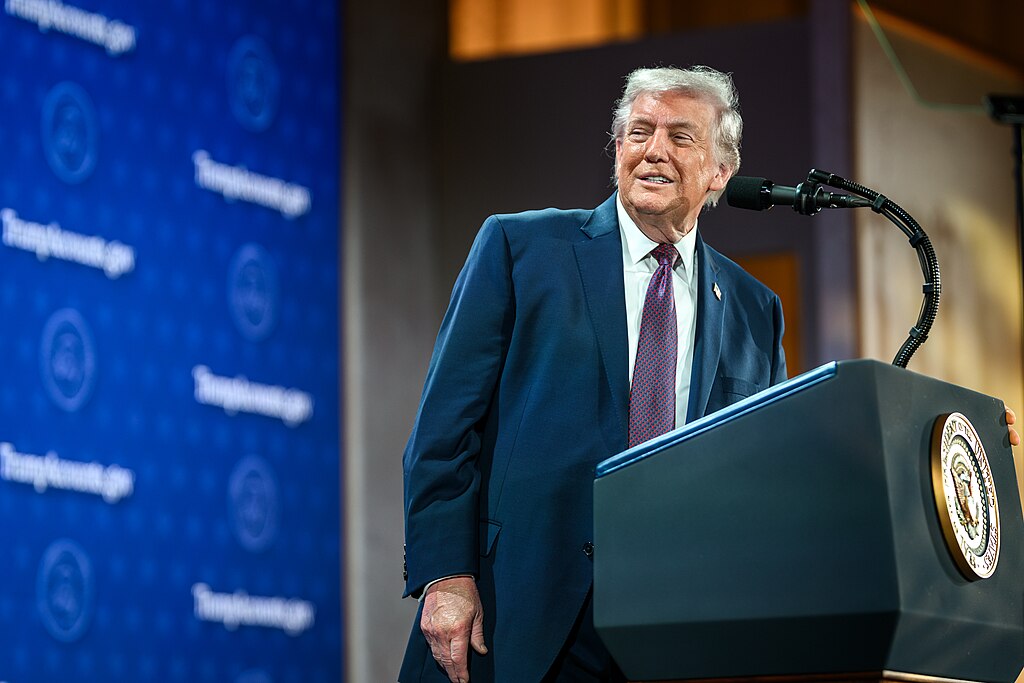
US President Donald Trump announced Friday that Russia had agreed to immediately supply diesel to American and global markets, aiming to ease soaring fuel prices ahead of the November 3 midterm elections. However, energy analysts warned that the agreement would likely provide limited relief.
Trump said he reached the deal during a "highly successful" conversation with Russian President Vladimir Putin. Under the agreement, Russia will initially deliver more than 300,000 metric tons of diesel, followed by another 500,000 tons in November and an additional 1 million tons shortly afterward.
The US Treasury Department issued a general license permitting Russian diesel imports until April 7, despite existing sanctions targeting Moscow's energy industry over its invasion of Ukraine.
Putin's envoy, Kirill Dmitriev, welcomed the renewed energy cooperation. However, Ukrainian President Volodymyr Zelenskiy condemned the arrangement, warning that additional Russian energy revenue could support Moscow's ongoing military operations.
The agreement comes as US diesel prices approach record highs amid global supply disruptions linked to conflicts in Iran and Ukraine. According to AAA, average American diesel prices reached $6.28 per gallon Thursday, representing a 70% increase since the US-Israeli war with Iran began February 28.
Following Trump's announcement, US diesel futures dropped more than 4.8% to approximately $4.64 per gallon.
Despite the market reaction, analysts questioned whether Russian diesel shipments could significantly reduce fuel costs.
Rory Johnston, founder of CommodityContext.com, described the agreement as a "nothing burger," noting that Russia typically exports considerably larger quantities when its refineries operate normally.
The initial 300,000-ton shipment represents approximately 2.25 million barrels, compared with daily US diesel exports of roughly 1.5 million barrels.
Wood Mackenzie analyst Jim Mitchell said the additional supply could help stabilize the strained diesel market but would not resolve the broader shortage.
Meanwhile, the Trump administration is reportedly considering additional measures to lower diesel prices, including invoking the Defense Production Act to expand domestic refining capacity.
Officials could also explore ways to overcome regulatory restrictions affecting energy production. Refining executives have recommended improving existing facilities rather than constructing expensive new refineries.
Trump emphasized that reducing fuel costs for American farmers, truckers and consumers remains a major administration priority as inflation concerns intensify ahead of the congressional elections.







