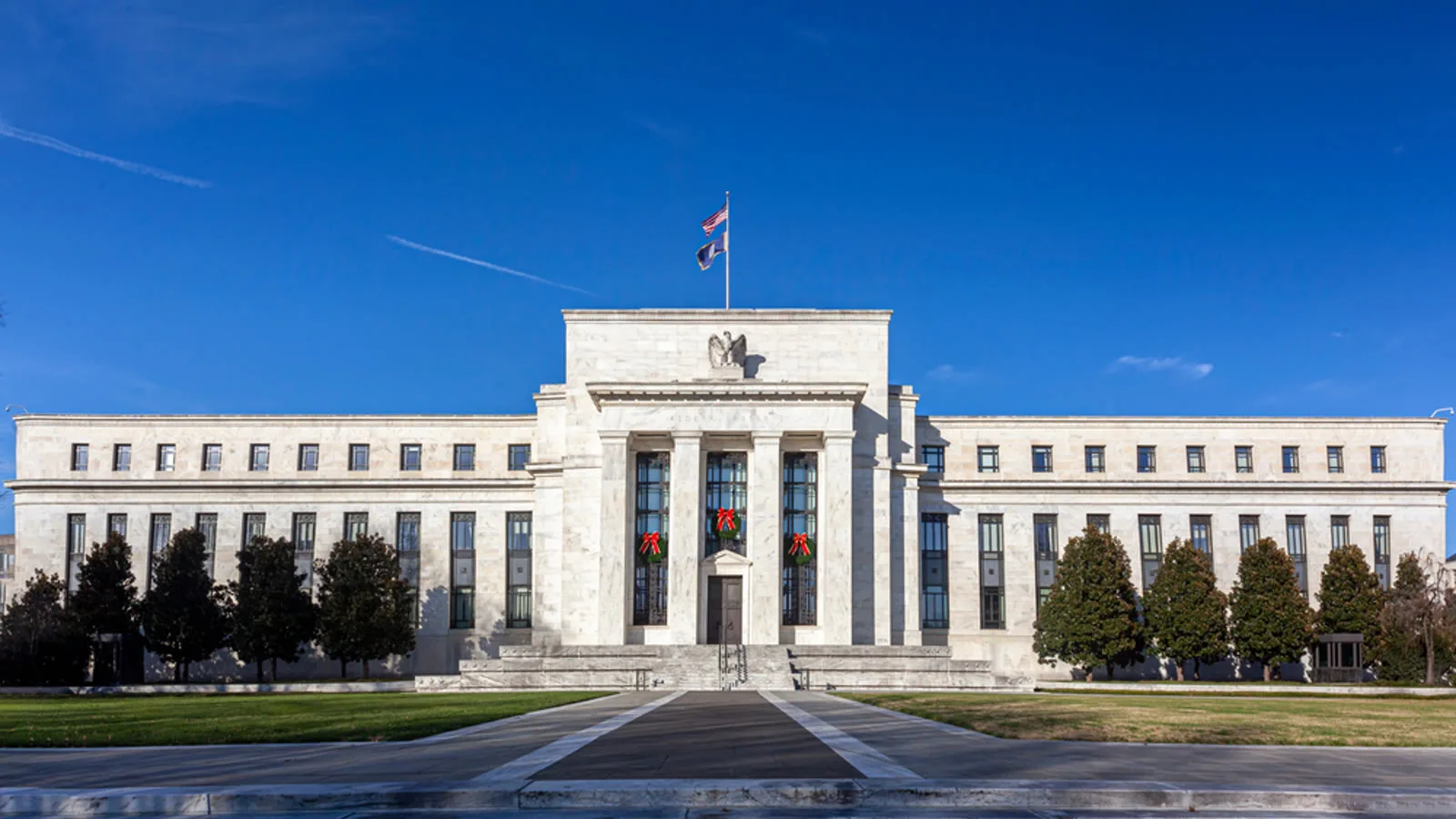
The Federal Reserve needs to raise interest rates further soon to put inflation on course to reach 2% over the medium term, Fed official Waller said in a Nov. 10 speech.
Waller supported holding rates steady at the latest policy meeting because earlier guidance had already prompted financial markets to anticipate increases. The Federal Reserve Board published his remarks on Nov. 10 under the title “The Economic Outlook and Some Thoughts on Labor Market Dynamism.”
He said the timing of individual increases mattered less than delivering them within a reasonable period. Failing to follow through would lower market expectations for rates and loosen monetary policy, he said.
Waller also questioned whether unusually low hiring and job departures could damage the economy even while employment remained stable. His discussion compared recent hiring and separation rates with conditions before the pandemic and longer-term workforce trends.
He said workers moving between employers helped businesses find people whose skills better suited their needs. Better matches could raise productivity, wages adjusted for inflation and profits, while allowing the economy to expand without pushing up inflation.
Waller cited an initial estimate showing that economic output, adjusted for inflation, grew 3.4% in the third quarter. Consumer spending and business investment supported growth, including spending on equipment for artificial intelligence.
He expected growth to ease in the current quarter as consumer spending slowed to a pace more consistent with household income and wealth. He nevertheless expected the economy to keep growing at a solid pace.
Waller said unemployment fell to 4.1% in October, matching its summer level. Employers added 165,000 jobs, while revisions added 85,000 to the combined gains for the previous two months.
He put average monthly job gains over both six and 12 months at about 80,000. He said that pace was consistent with roughly balanced demand for workers and available labor.
Waller contrasted September's net gain of 60,000 jobs with more than 5 million departures and more than 5 million hires that month. Those movements showed how much employment could change beneath a stable total.
He identified an aging, better-educated workforce as one explanation for reduced job movement. He said the share of adults aged 25 and older with bachelor's degrees or higher rose from 28% to 37% since 2010.
Those trends alone would have no implications for monetary policy, Waller said. But he said job movement still appeared somewhat low after accounting for them.
He cited uncertainty surrounding artificial intelligence, tariffs and immigration policy since early 2025 as another possible restraint. The Fed's November 2025 Beige Book survey found employers were holding back hiring because of uncertainty, he said.
Waller also suggested the surge in job switching from 2020 to 2023 could have left more workers reluctant to move again. He said he had no answers yet on whether reduced job movement required a monetary policy response.