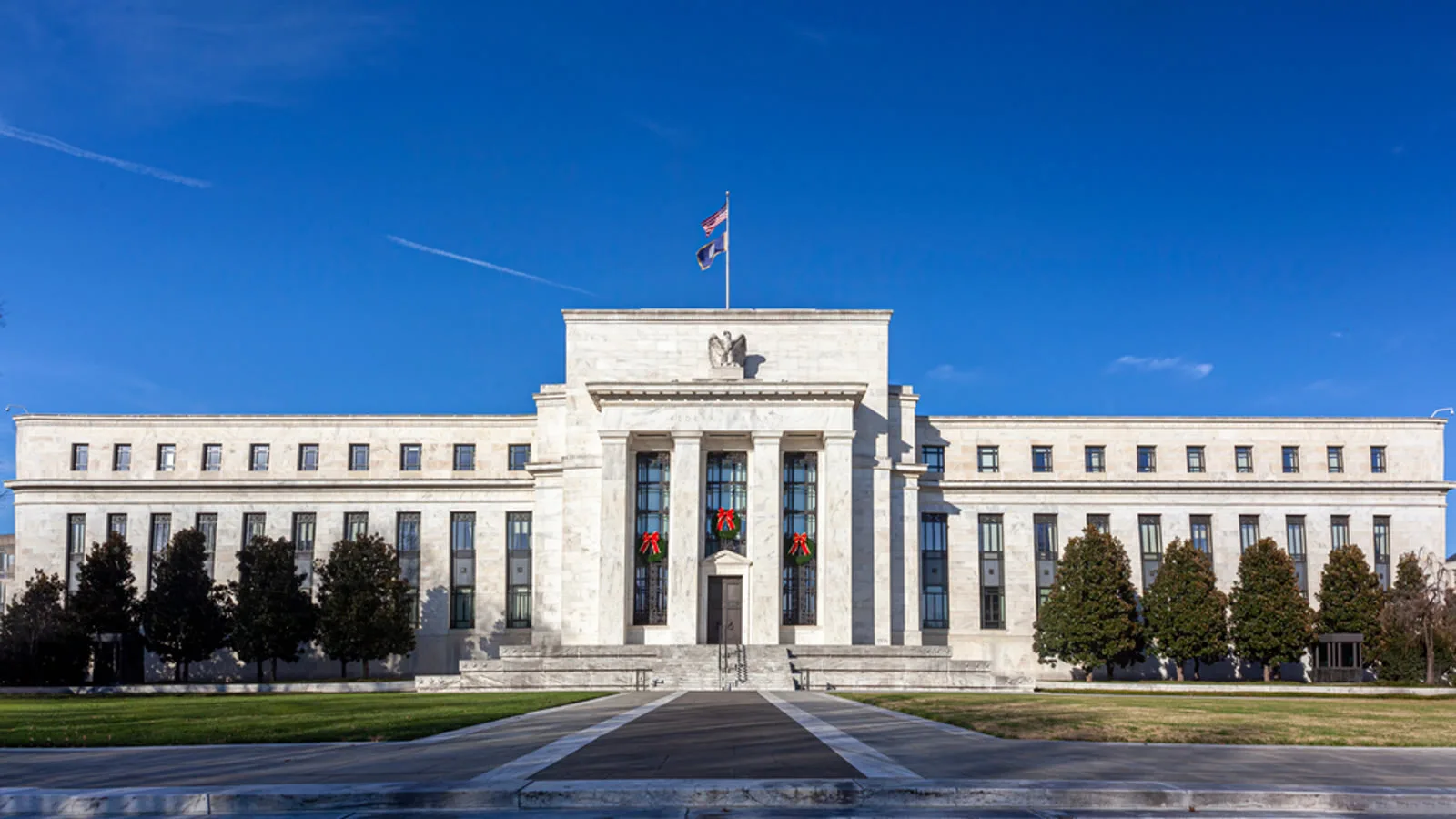
Tokenized financial services need reliable operations and clear governance to win wider use as blockchain technology spreads into established markets, Federal Reserve Governor Christopher Waller said on Nov. 17.
Competition increasingly involves established financial institutions and newer blockchain firms, Waller said in “Considerations at the Intersection of Payments and Tokenized Markets,” published by the Federal Reserve Board on Nov. 17. He said several models would probably serve different customers rather than converge on a single approach.
Waller said his assessment drew on ongoing industry discussions, including a recent Federal Reserve roundtable involving traditional finance and decentralized finance businesses. His remarks provided no numerical estimates or defined period of data analysis.
Tokenization, the conversion of assets into digital forms transferable on another platform, is changing competition in payments, Waller said. Stocks, bonds and commodities are moving onto blockchain networks to support features such as automated transactions.
Established payment providers and financial institutions are using those capabilities to improve customer services and internal operations, he said. New entrants bring familiarity with the technology, while established firms have customer relationships and market confidence.
Some established firms are building blockchains they control, while others are pooling resources or working with newer blockchain companies, Waller said. Each approach involves choices about control and the ability to grow.
Technical capabilities alone will not make new services successful, he said. Providers also need to establish responsibility for fraud, lost access credentials, mistaken transfers and pricing errors.
Waller said assets could also become stranded on failed blockchains. Recent events involving Binance illustrated some problems that can arise when transactions follow programmed instructions, he said, without detailing those events in the supplied remarks.
Clear rules for ownership, custody and insolvency will matter for wider institutional use, Waller said. Assets moving between networks must retain their legal identity, ownership rights and financial terms, alongside compliance obligations and access to trading funds.
These issues extend beyond technical fixes, he said. Governance, legal frameworks and shared data standards may matter as much as the technology itself.
Payments are already connecting the two markets, Waller said. Stablecoins are beginning to settle obligations between card-network participants, while The Clearing House is among groups developing networks to settle transactions using tokenized bank deposits.
Smart contracts, computer code that executes actions when specified conditions are met, allow financial trades to be automated, he said. But operators still face questions about responsibility when that automation causes losses or enables fraud.
Waller said private businesses are best placed to develop services that meet customer demand through competition. The Federal Reserve can support that work by providing payment infrastructure, assessing financial stability risks and maintaining discussions with the industry.