The Federal Reserve could raise interest rates once more later this year without necessarily acting in October, John Williams, president of the Federal Reserve Bank of New York, said in an interview.
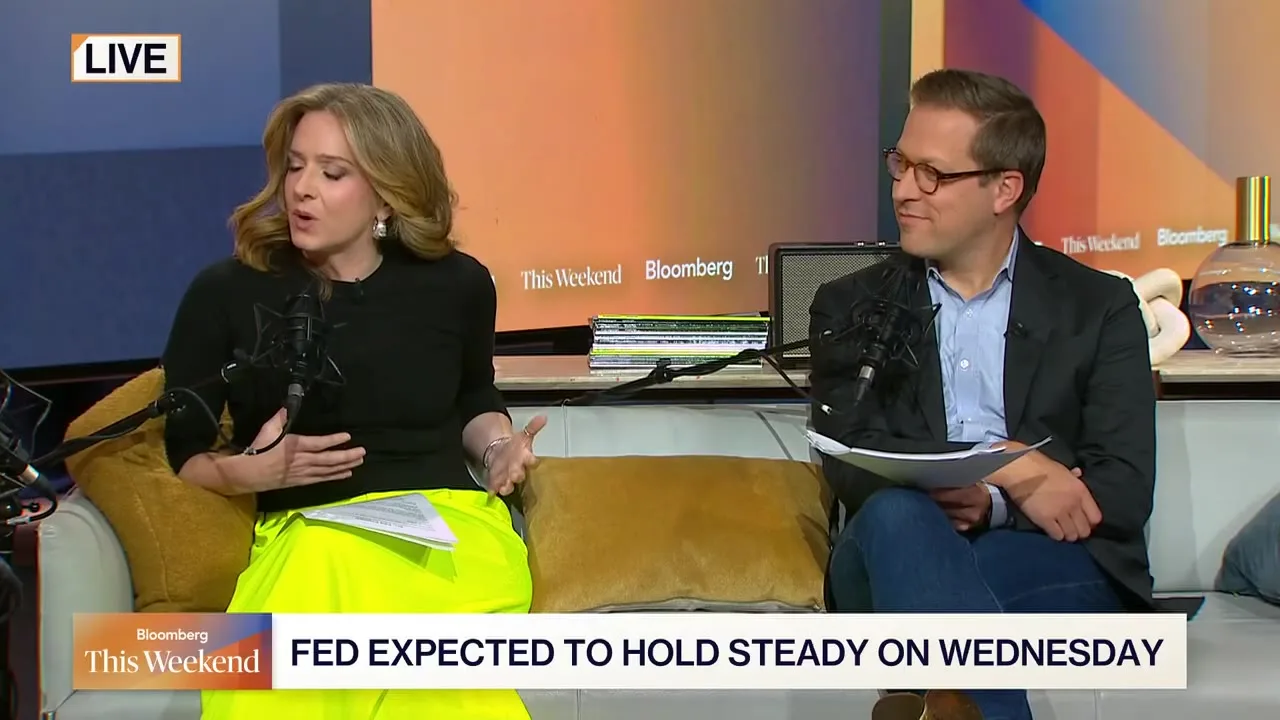
Expectations for the next meeting shifted toward a pause after policymakers signalled they could wait to assess the economy. Investors had previously put the chance of another increase at about 70%, Bloomberg Television reported in “Fed Looks Set to Pause After September Rate Hike,” published Oct. 25.
The Fed raised rates in September for the first time since 2023. Inflation is still nearly twice the central bank's 2% target, leaving the explanation for a pause central to the coming decision.
The meeting comes less than a week before midterm elections, with household costs among voters' concerns. High gasoline prices and electricity bills have added to those concerns, while healthcare costs and rents rose in September.
Consumer spending is strong and unemployment remains relatively low and stable. Americans nevertheless remain pessimistic about the economy. Gross domestic product figures are also due in the coming week, with expectations for another strong quarter.
The change in interest rate expectations followed public speeches by Williams and Philip Jefferson, the Federal Reserve's vice chair. Speaking days apart, both said policymakers could take time after September's increase to assess economic conditions.
Neither saw an urgent need for another increase. The Fed chair subsequently gave a public speech without correcting expectations for a hold, offering little additional guidance about the next decision.
Williams also serves as vice chair of the Federal Open Market Committee, the body that sets interest rates. Alongside the chair and the board's vice chair, he belongs to a small group that helps guide the committee's decisions.
In his interview, Williams described inflation as continuing to ease and said the economy was not overheating. He saw the effects of tariffs as largely past.
He also expected energy prices to contribute less to future inflation, even if they stayed high. His main concern was demand associated with artificial intelligence and the construction of data centres.
Williams left the timing of another increase open. Beyond that step, he saw no signs at the time of the interview that further action would be needed.
The chair has also announced five task forces covering how the Fed operates, studies inflation and makes decisions. He wanted results by year-end. How their findings would change policy, and whether they would affect the next rate decision, remained open.