


 BOJ Raises Interest Rate to 31-Year High as Yen Weakens
  RBA Hikes Interest Rate to 4.60% as Inflation Risks Rise
  European Auto Stocks Rise as EU-China Trade Deal Targets Hybrid Imports
  Fed’s Hammack Says Bond Yield Surge Is Not Driven by Inflation Fears
  RBA Says ASX Still Falls Short on Governance and Risk Controls
  Asian Stocks Mixed as OpenAI Revenue Concerns Hit Chipmakers
  Trump Demands Powell Resign Over Fed Renovation Cost Overruns
  Nasdaq Falls as Oil Prices Surge Ahead of Bank Earnings
  Fed Minutes Signal Another Rate Hike by Year-End
  Deutsche Bank CEO Urges Faster German Economic Reforms
  Yen Sinks as BOJ Rate Hike Fails to Impress Markets
  Iran Refuses to Halt Uranium Enrichment Amid US Nuclear Demands
  Gold Prices Rise as Dollar Weakens, Treasury Yields Fall
  Trump Defends Russian Diesel Deal Amid US Sanctions Backlash
  Oil Prices Slip as Trump Rules Out Iran Strike Before Midterms


 Add as a preferred source on Google
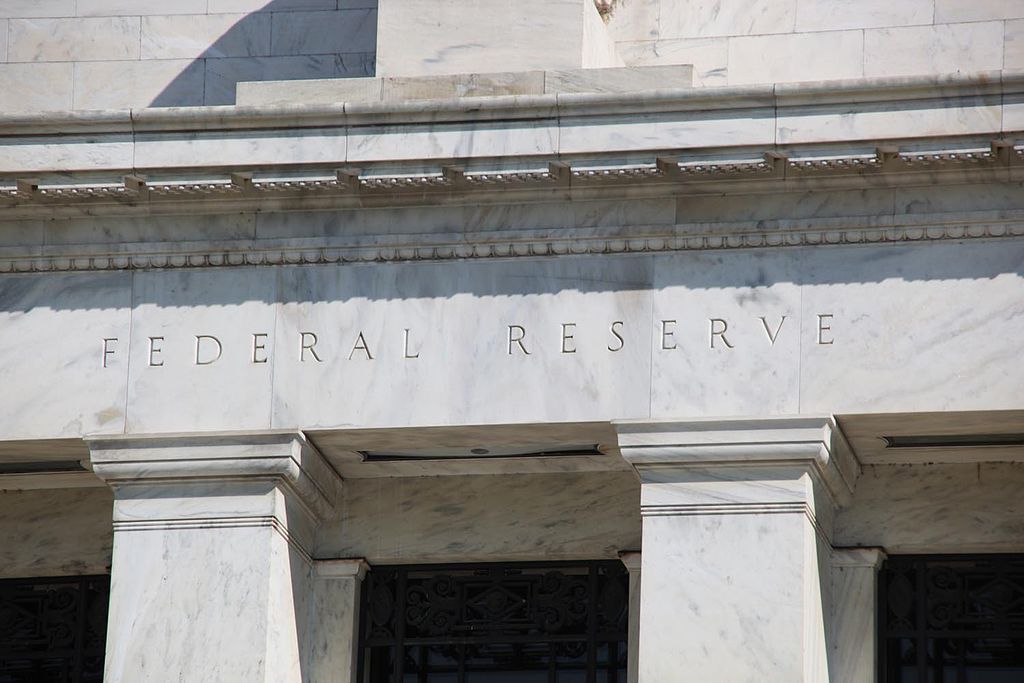
Cleveland Federal Reserve President Beth Hammack called for relatively swift interest rate increases on Monday, warning that broadening inflation pressures could make it harder for the US central bank to achieve its 2% inflation target.
Speaking at a National Association for Business Economics conference, Hammack argued that restrictive monetary policy is necessary as rising costs extend beyond energy markets and increasingly influence corporate pricing decisions.
While higher oil, gasoline, and diesel prices have contributed to inflation, Hammack emphasized that businesses across her district are considering price increases that exceed their rising input costs.
She warned that delaying monetary tightening could allow inflation expectations to climb, potentially forcing the Federal Reserve to implement more aggressive interest rate hikes later.
Hammack said she favors smaller, timely policy adjustments rather than waiting until inflation becomes more entrenched.
According to Cleveland Fed research, underlying US inflation remains in the mid-to-high 2% range. Hammack expects inflation to take considerable time to return to the Fed's 2% target, even with appropriate monetary policy measures.
She also highlighted growing inflationary pressures from artificial intelligence infrastructure investment. Rapid AI expansion is increasing demand for computers, electronics, and advanced technology components, pushing costs higher across data centers, aviation, electricity generation, and construction.
Despite these challenges, Hammack maintained that the US economy remains resilient enough to withstand tighter financial conditions.
Financial markets currently expect the Federal Reserve to maintain its benchmark interest rate between 3.75% and 4.00% at its October 27-28 policy meeting.
Hammack, a voting member of the Federal Open Market Committee, has consistently supported a more hawkish monetary policy approach. She dissented in favor of raising interest rates in July, while Fed Chair Kevin Warsh and other policymakers supported a rate increase in September.
Beyond interest rates, Hammack stressed the importance of Federal Reserve transparency, arguing that policymakers should explain how economic developments influence their decisions.
Her position contrasts with Warsh's preference for a quieter central bank and limited forward guidance.
Hammack believes communicating the Fed's policy reaction to incoming economic data helps businesses, consumers, and financial markets make informed decisions.
Her remarks underscore growing concerns that persistent US inflation could require additional monetary tightening despite expectations for steady interest rates later this month.







