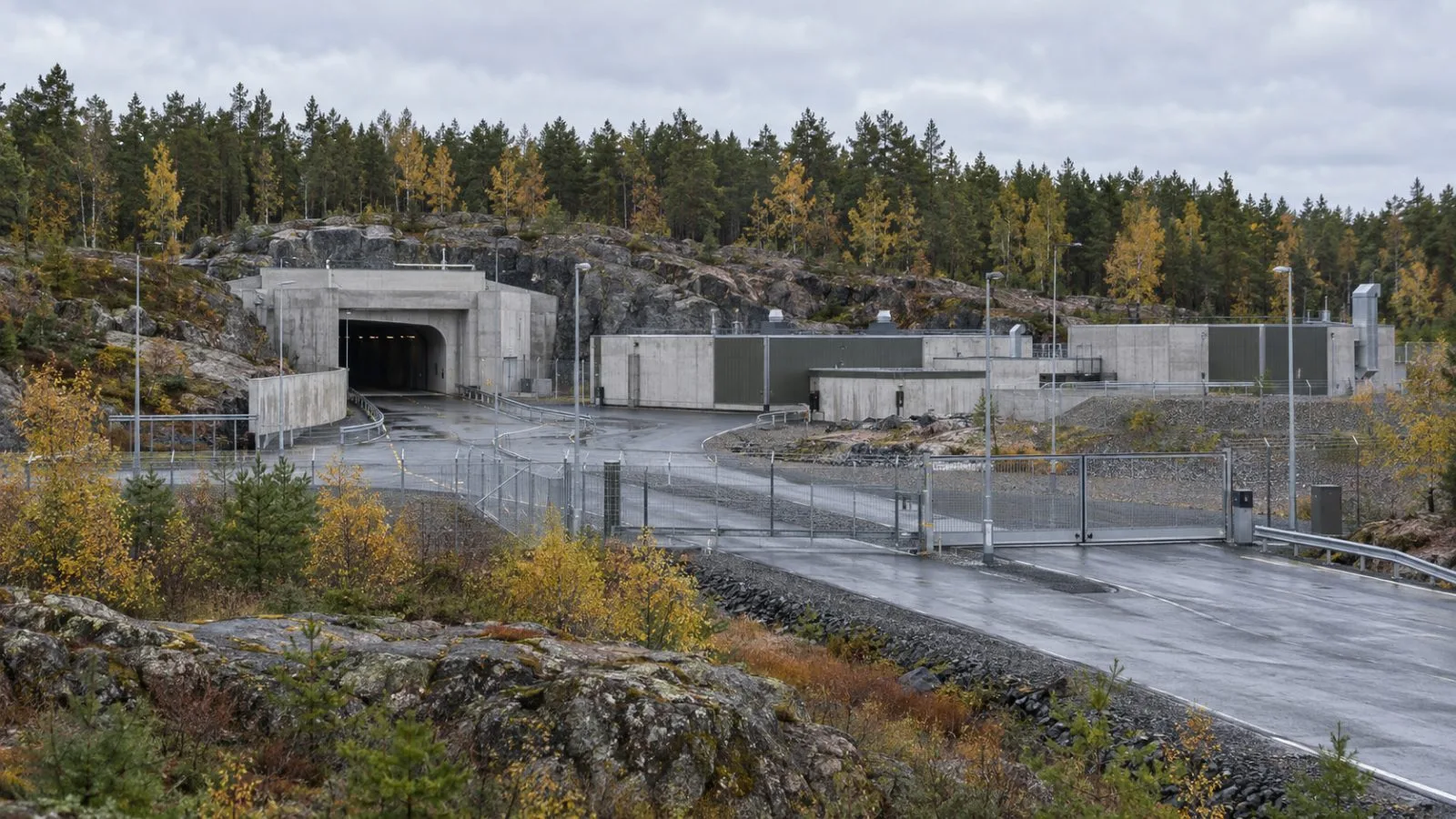
Finland issued an operating license for Posiva’s Onkalo facility, making it the first permanent underground spent-fuel site to receive that authorization, though opening still depends on tests and regulatory approval.
The government granted the permit Thursday, Oct. 22, Posiva said. The license does not yet allow the facility to open. Posiva said operations are expected to start soon, though no date has been decided. The project has been under construction for 22 years, Al Jazeera reported. Posiva Chief Executive Officer Ilkka Poikolainen called the license “a great and historic day for both Posiva and Finland.”
Posiva’s commissioning phase still includes tests and inspections. Finland’s Radiation and Nuclear Safety Authority (STUK) must check the results and approve them before disposal can start.
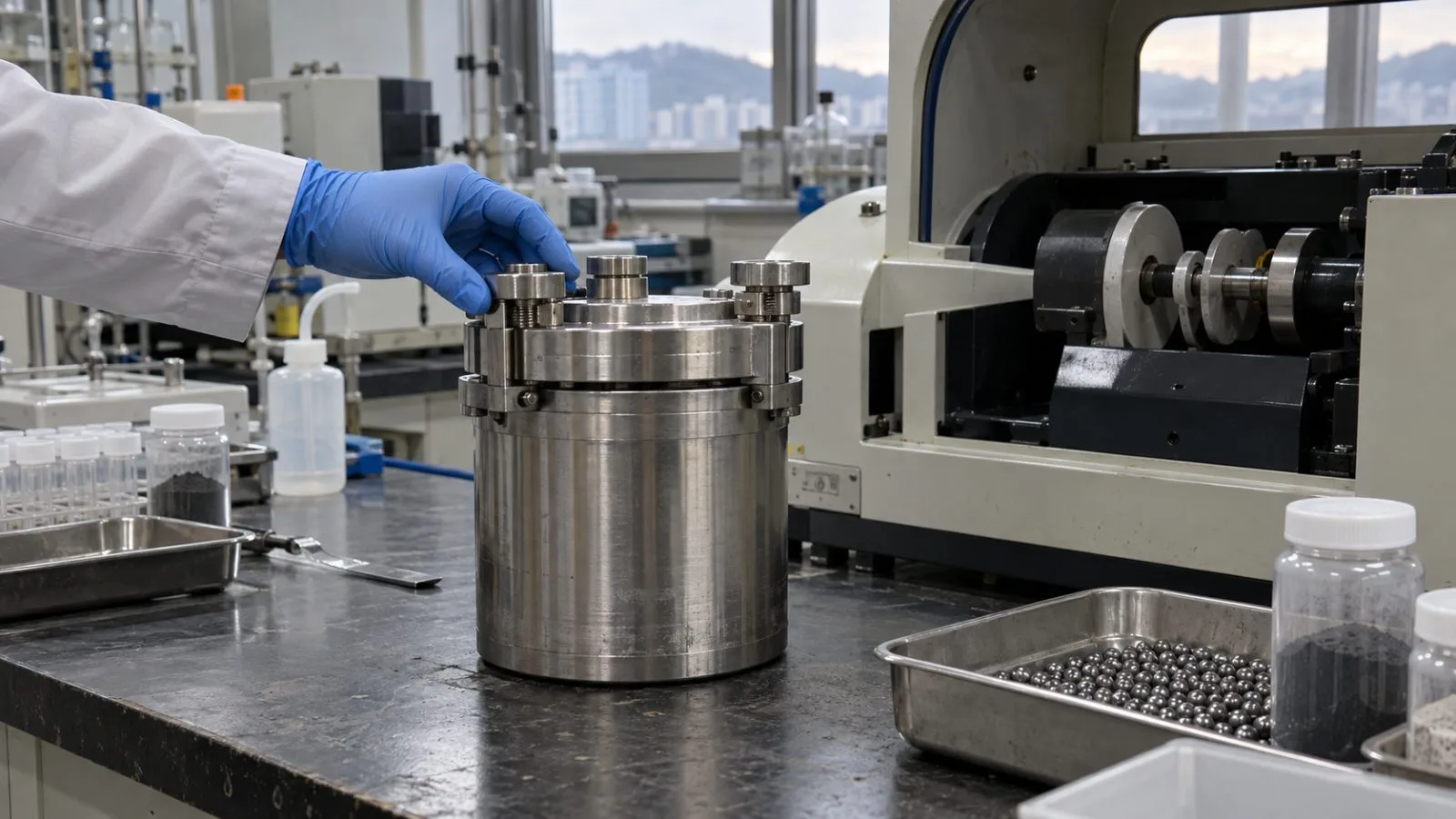
Onkalo is at Olkiluoto in western Finland. The facility has space for 6,500 tonnes of uranium in spent fuel from the country’s five nuclear reactors. Posiva’s disposal method calls for spent fuel to be enclosed in copper canisters and lowered into cavities drilled into bedrock. Bentonite clay will be packed around the canisters, and steel-reinforced concrete plugs will close the cavities. Al Jazeera reported that the copper canisters are highly resistant to corrosion.
Spent fuel can remain highly radioactive for tens of millennia. Posiva says the radiation level should be about the same as that of the uranium ore after roughly 100,000 years. Onkalo means “cave” in Finnish, Al Jazeera reported.
Al Jazeera said most nuclear waste remains in temporary storage, despite decades of debate dating to the construction of the first plants in the 1950s. The license advances Onkalo toward permanent disposal, while the required tests and regulatory approval remain ahead.