A recent legal development in Florida has put Tesla, the renowned electric vehicle manufacturer, under the spotlight. A judge has found "reasonable evidence" that Tesla, including CEO Elon Musk, was aware of defects in its Autopilot system yet continued to allow its use in unsafe conditions. This ruling has paved the way for a trial where Tesla faces allegations of intentional misconduct and gross negligence.
Critical Ruling in Tesla's Legal Battle
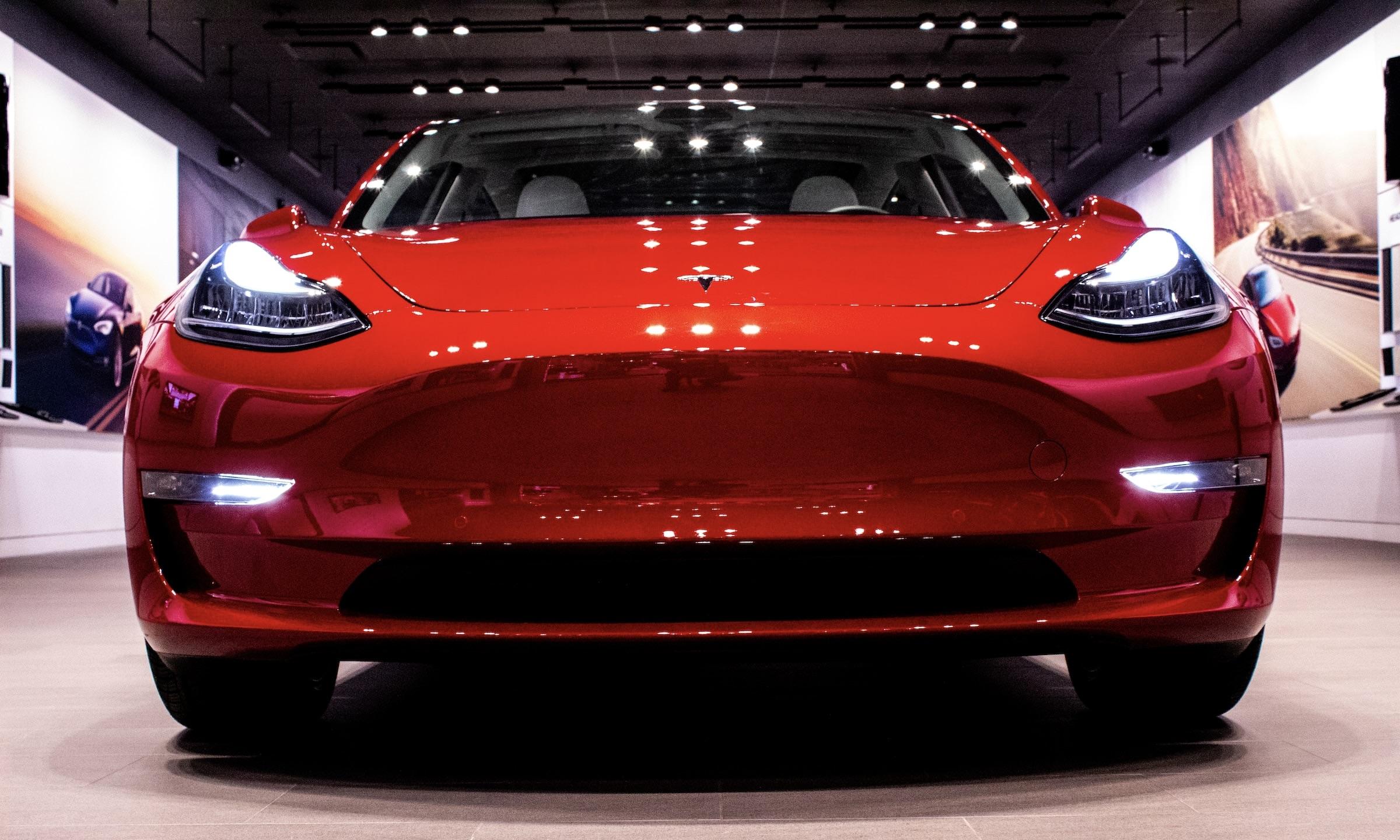
The decision by Judge Reid Scott of the Circuit Court for Palm Beach County stems from a tragic incident in 2019 where Stephen Banner, driving his Tesla Model 3 with the Autopilot engaged, collided fatally with an 18-wheeler. The lawsuit alleges that Tesla's Autopilot failed to detect the truck, leading to the accident. This ruling contradicts Tesla's previous victories in similar cases in California earlier this year, highlighting the ongoing controversy surrounding the safety of its Autopilot feature.
Upcoming Trial and Potential Revelations
The impending trial, which has been delayed from its original October schedule, is anticipated to shed light on Tesla's closely guarded data collection practices. Furthermore, the judge's assertion that Tesla's management, including Musk, was aware of the Autopilot's flaws could lead to Musk being summoned to testify. The judge cited Tesla's marketing tactics and Musk’s public statements as influential in shaping public perception of the Autopilot’s capabilities, including a 2016 video that exaggerated the system’s autonomy.
Comparative Analysis and Testimonies
Judge Scott drew parallels between Banner's accident and a similar fatal crash in 2016 involving Joshua Brown, where Autopilot also failed to recognize crossing trucks. Testimonies from Adam Gustafsson, an Autopilot engineer, and Dr. Mary “Missy” Cummings, a robotics expert, were critical in the judge's decision. Gustafsson acknowledged that despite awareness of the issue, Tesla did not modify the cross-traffic detection system after Brown's crash.
Tesla's Response and Defense Strategy
While a Tesla spokesperson was unavailable for comment, the company is expected to argue that Banner’s accident was due to human error, a stance supported by a National Transportation Safety Board investigation. This investigation also noted the truck driver's failure to yield and Banner's over-reliance on Autopilot, though it criticized the system's lack of warnings to the driver.
Tesla may lean on its recent legal successes to defend its position. In two separate cases in California, juries ruled in favor of Tesla, dismissing claims that Autopilot defects led to crashes in 2019.
This ongoing legal battle in the Circuit Court for Palm Beach County, Florida, underlines the complex interplay of technology, human error, and legal responsibility in the era of automated driving systems.
Photo: Tunde Abati/Unsplash