


 IRS Warns Crypto ETFs Over Tax Loophole Risks
  Oil Surge Pressures Global Stocks as U.S.-Iran Truce Hopes Fade
  Asian Stocks Fall as Bond Yields and Oil Prices Surge
  RBI Uses $10 Billion Currency Swaps to Drain Excess Rupee Liquidity
  U.S. Stock Futures Steady as AI, Rate Concerns Weigh
  Asian Currencies Weaken as Dollar, Oil Prices Rise
  Bitcoin Eyes Another ‘Uptober’ Rally After Strong September Gains
  Fed Rate Hike Threatens Housing as U.S. Growth Leans on AI, Citi Says
  Japanese Yen Retreats as Dollar Rises Ahead of Fed, BOJ Rate Decisions
  QNT Surges as Bitcoin Exchange Outflows Signal Crypto Shift
  QNT Whales Move $10M to Exchanges After 400% Rally
  Morgan Stanley Launches Digital Asset Lab for Stablecoins and Tokenization
  China, US Extend Trade Truce Through January 10 After Trump-Xi Summit


 Add as a preferred source on Google
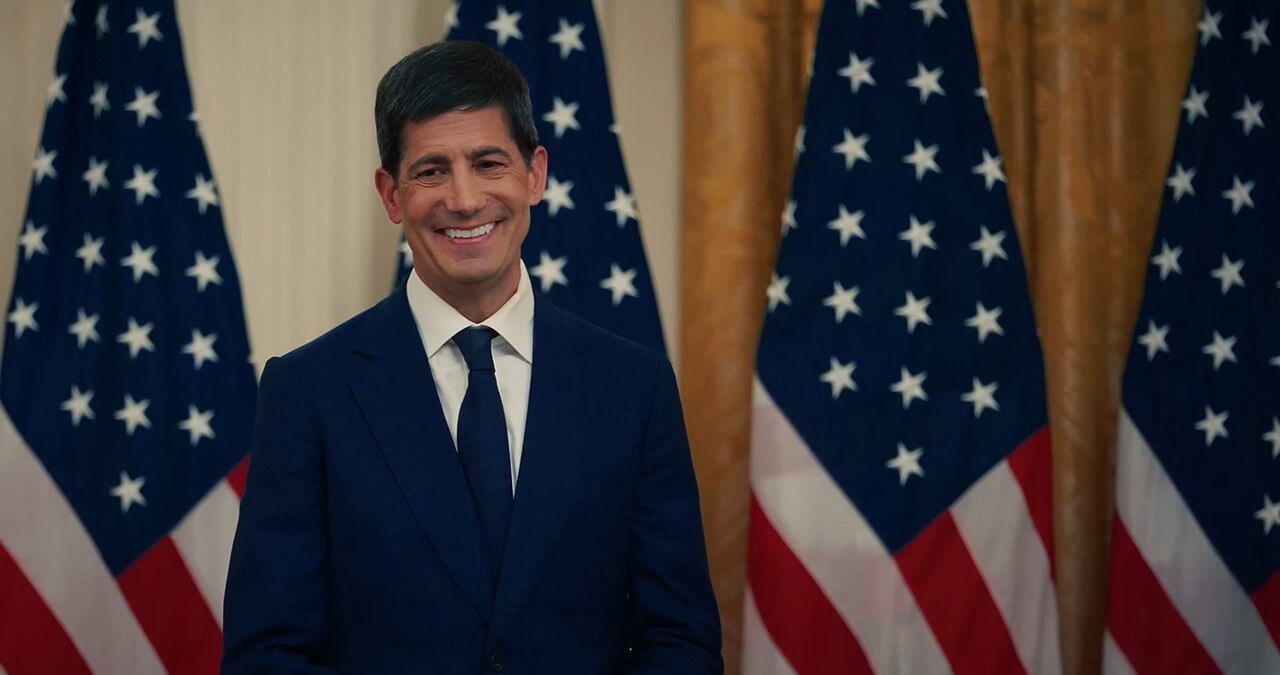
Bank of America (BofA) analysts believe incoming Federal Reserve Chair Kevin Warsh could face a difficult policy environment as rising inflation and economic uncertainty complicate the outlook for U.S. interest rates.
According to a recent BofA research note, Warsh, who was widely known as an inflation hawk during his time as a Federal Reserve governor, has recently adopted a more accommodative tone. He has suggested that policymakers should look beyond temporary inflationary pressures caused by tariffs and geopolitical disruptions and instead focus on underlying inflation trends when making monetary policy decisions.
Despite these comments, BofA analysts caution that Warsh may encounter resistance from other Federal Open Market Committee (FOMC) members if inflation continues to accelerate. The bank noted that financial markets have significantly adjusted their expectations in recent months. Investors who previously anticipated multiple interest rate cuts are now increasingly pricing in the possibility of another rate hike as inflation concerns persist.
Warsh has also expressed confidence that advances in artificial intelligence could improve productivity and help ease inflation over the long term. However, BofA said many Fed officials are likely to remain skeptical until there is clear evidence that AI-driven productivity gains are materially benefiting the economy.
In addition to his views on interest rates, Warsh is expected to maintain a conservative stance toward the Federal Reserve’s balance sheet. Analysts described him as a “balance-sheet hawk” and expect him to support measures that gradually reduce reserve demand by between $200 billion and $500 billion through regulatory adjustments and slower balance-sheet expansion.
BofA added that the future direction of the U.S. dollar may largely depend on whether Warsh succeeds in guiding the Fed toward a more dovish policy approach. If other policymakers resist and maintain a firm anti-inflation stance, the central bank’s credibility in fighting inflation could strengthen, potentially supporting the dollar’s long-term outlook.







