


 Robinhood Chain Eyes Priority Gas Auctions for Faster Trades
  Elon Musk Accuses Indian Telecom Giants of Blocking Starlink Launch
  OpenAI Revenue Hits $50 Billion, Below Earlier $70 Billion Estimate
  Ledger Investigates Alleged $86 Million Crypto Wallet Theft
  MSTR Stock Rises as Barclays Raises Price Target to $175
  Stellar Overtakes Ethereum in RWA Fund Inflows as XRP Leads Commodities
  OpenAI Annualized Revenue Hits $50 Billion, Below Earlier Estimates
  TSMC Q3 Revenue Beats Estimates as AI Chip Demand Surges
  Anthropic Launches Claude Dashboards and Motion AI Tools
  DWF Labs Sues BitGo for $114 Million Over Alleged Token Sales Breach
  Trump Buys Up to $25M in Meta Stock, Invests in SpaceX Debt
  Moscow Exchange to Launch Crypto Trading on December 1
  Apple Cuts iPhone 18 Pro Production Orders Amid Weak Demand
  Polkadot Launches dotUSD Stablecoin as DOT Price Falls
  EU Gives Crypto Platforms Three Months to Remove USDT Under MiCA Rules
  Zcash Plans Quantum-Resistant Security Upgrade for January
  Morgan Stanley Raises Coinbase Stock Price Target to $258 Ahead of Earnings


 Add as a preferred source on Google
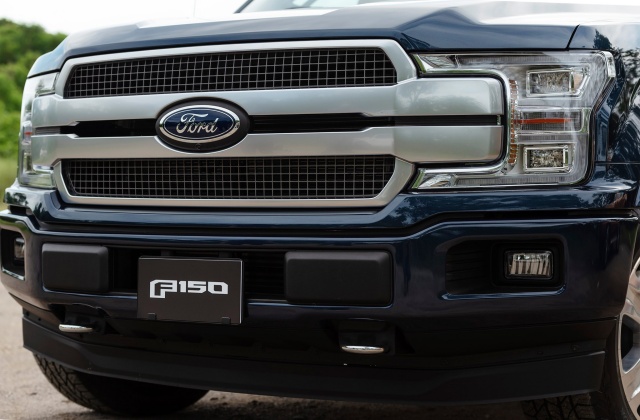
Ford was forced to order its factories in Germany to halt production for a month as they are also affected by the shortage of computer chips. The very low supply of this important component in cars has put even the major automakers under pressure since it is threatening their business.
Most of the companies have just started to pick up from the losses brought about by the COVID-19 pandemic. In the auto industry, companies have gotten back to work only to be met with another crisis.
Surely, the chip shortage hit at the most trying times, and this is forcing automakers to scale back production. In the worst situation, some of the companies have already shut down their business operations.
Ford’s announces closure of its German factory
CNN Business reported that Ford will temporarily close down its plant located in Saarlouis, Germany. From Jan. 18 to Feb. 19, the German Ford factory is effectively closed for business.
The carmaker cited the chip shortage and low demand as the reasons for their decision. This means that around 5,000 workers will be out of work for four weeks.
"We are closely monitoring the situation and adjusting production schedules to minimize the effect on our employees, suppliers, customers and dealers across Europe," the company’s spokesperson said. "At this time, we do not anticipate any similar actions at our other European facilities."
It was added that aside from the plant in Germany, Ford also ceased operations in its Louisville, Kentucky plant in the U.S. The factory mostly makes SUV models but it was forced to close last week due to the shortage of semiconductors.
At any rate, it was learned that aside from Ford, Nissan, Toyota, Volkswagen, Honda and Fiat Chrysler are also suffering from the computer chips shortage so they can’t make cars as needed. The average vehicle requires around 50 to 150 chips and the supply these days is apparently not enough.
The road to recovery is far off?
Computer chips are not just a requirement in cars but most tech companies also need them. Smartphones, computers, gaming systems and appliances all require these chips so the car industry has to compete with manufacturers that make these devices too.
This is why, it was predicted that rather than a recovery, there will be more disruptions and carmakers will suffer more. This means that vehicle manufacturing could get worse and factories may not be able to open any time soon and businesses will continue to decline.







