


 Gold Prices Fall Amid Rate Jitters; Copper Steady as China Stimulus Eyed
  FxWirePro: Daily Commodity Tracker - 21st March, 2022
  Best Gold Stocks to Buy Now: AABB, GOLD, GDX


 Add as a preferred source on Google
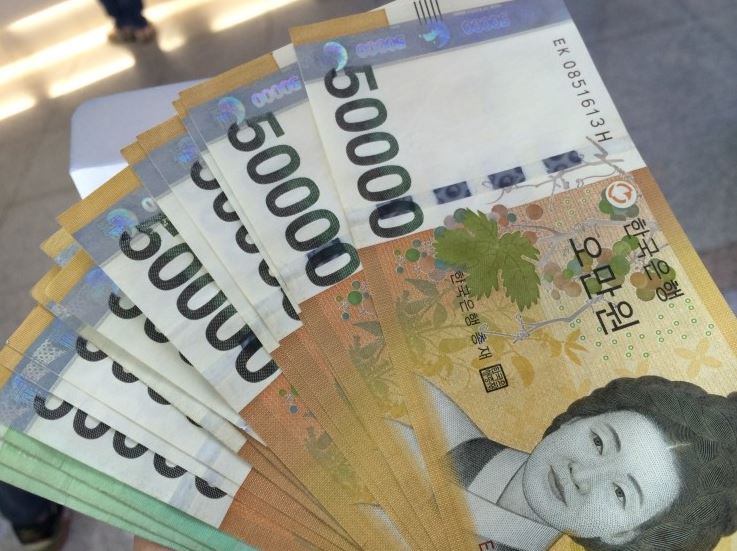
The KRW has been the weakest performing currency in Asia since the start of 2016, depreciating 5% against the USD and 11% against the JPY, its biggest export competitor. The weakness has mainly been driven by portfolio outflows, particularly from the local bond market.
"With onshore yields low and global FX reserves falling, we believe the risks are tilted towards further outflows, which could keep the KRW vulnerable as resident offshore investment likely accelerates this year." notes Barclays Capital in a research note.
Bond and equity outflows were approximately USD2.4bn and USD2.7bn, respectively, in the first six weeks of the year. Outflows of foreign bond holdings in the Korean domestic market picked up sharply in February, with foreign net selling of around KRW3trn MTD, most notably in shorter tenor bonds. This caught the market by surprise and resulted in a weakening of the KRW.
"Meanwhile, if the government were to raise the FX forward cap for banks, we think this would have a limited impact on the KRW in the near term." adds Barclays.







