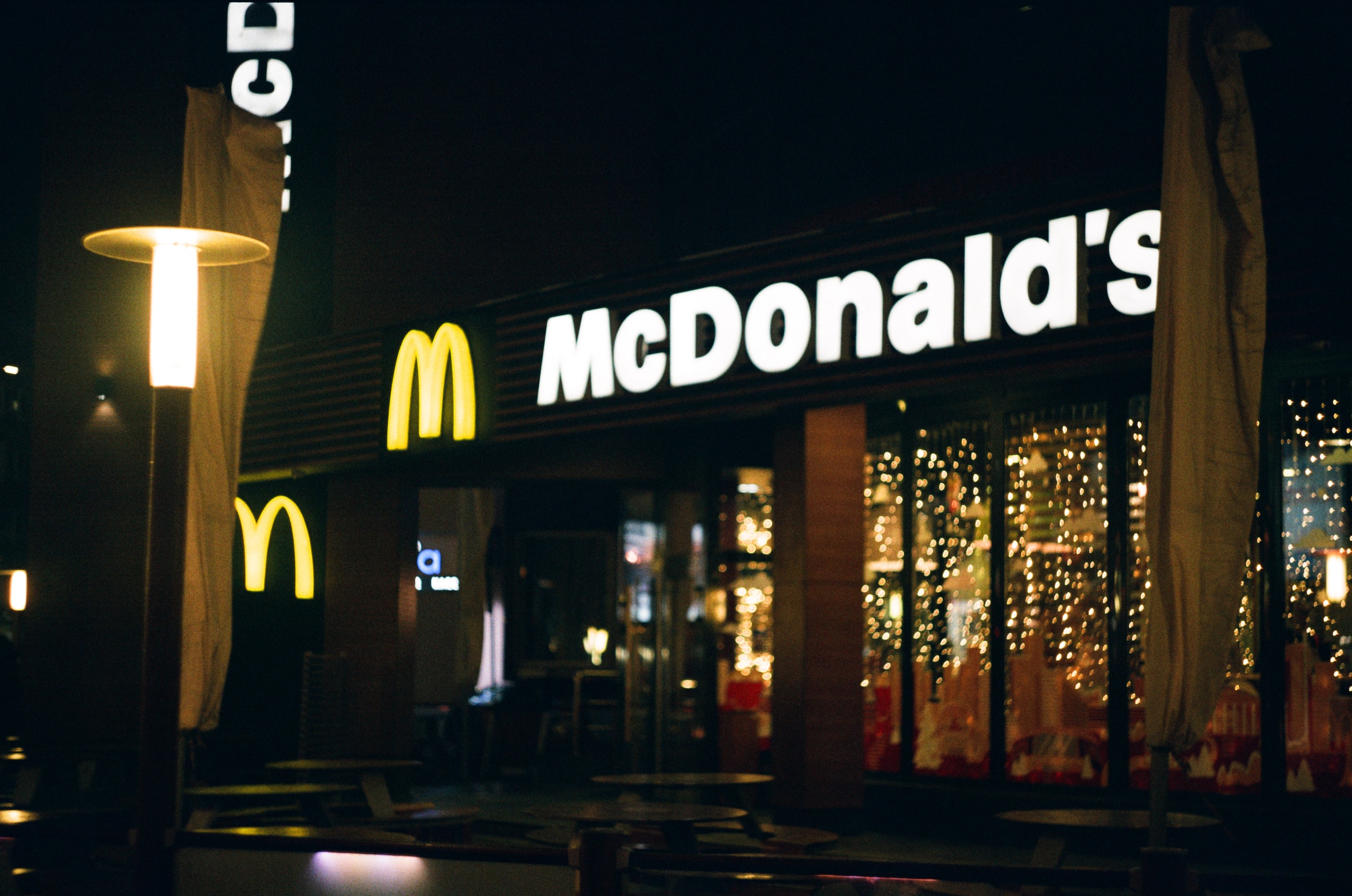
The fast-food cafés that once proudly bore the iconic McDonald's branding in Kazakhstan have undergone a substantial transformation. The café and drive services have been rebranded as "I'm Café" and "I'm Drive" to reflect the growing culinary diversity and cultural heritage of the country.
According to the press service of Food Solutions KZ, the new design will be effectively implemented across various aspects of the company's branding, including signage, packaging, and employee uniforms. Aki Press noted that this comprehensive approach ensures a unified and captivating visual representation of the brand.
Shift Towards Cultural Representation
The restaurants’ unique names pay homage to the rich traditions and history of Kazakhstan, as per Ground News. This shift aims to foster a sense of pride and identity among the local population while promoting their native cuisine.
The rebranded cafés retain the popular menu items that customers have come to love but with an added emphasis on traditional Kazakh recipes and flavors. This move is likely to not only satisfy the cravings of loyal customers but also cater to the preferences of those seeking an authentic culinary experience.
The decision to rename the former McDonald's restaurants aligns with efforts to preserve and promote the cultural heritage of Kazakhstan on a global scale. By showcasing the country's unique culinary traditions, these establishments serve as ambassadors of Kazakh culture to both locals and visitors alike.
In addition to celebrating the history and cuisine of Kazakhstan, the rebranding initiative also highlights a commitment to supporting local businesses. The reimagined cafés proudly feature local suppliers and ingredients, providing economic stimulus to the region and boosting the livelihoods of small-scale producers.
Beyond the name and menu changes, the revamped cafés have undergone interior renovations to create an atmosphere that reflects the essence of Kazakhstan. Rich cultural motifs, traditional artwork, and tasteful décor transport visitors to a world that seamlessly blends heritage and modernity.
The rebranded cafés have embraced sustainable practices, focusing on reducing waste and adopting eco-friendly packaging solutions. By prioritizing the environment, Kazakhstan's culinary scene sets an example for responsible and mindful food establishments.
Positive Reception and Future Plans
Initial feedback from customers and the wider public has been overwhelmingly positive. The rebranded fast food cafés are attracting attention both domestically and internationally, serving as a testament to Kazakhstan's commitment to innovation and cultural preservation.
The success of this rebranding initiative has ignited discussions of expanding the concept into other locations throughout Kazakhstan. The prospect of incorporating more traditional Kazakh elements into the country's culinary landscape has created anticipation and excitement for future dining experiences.
Photo: VLADISLAV BOGUTSKI/Unsplash