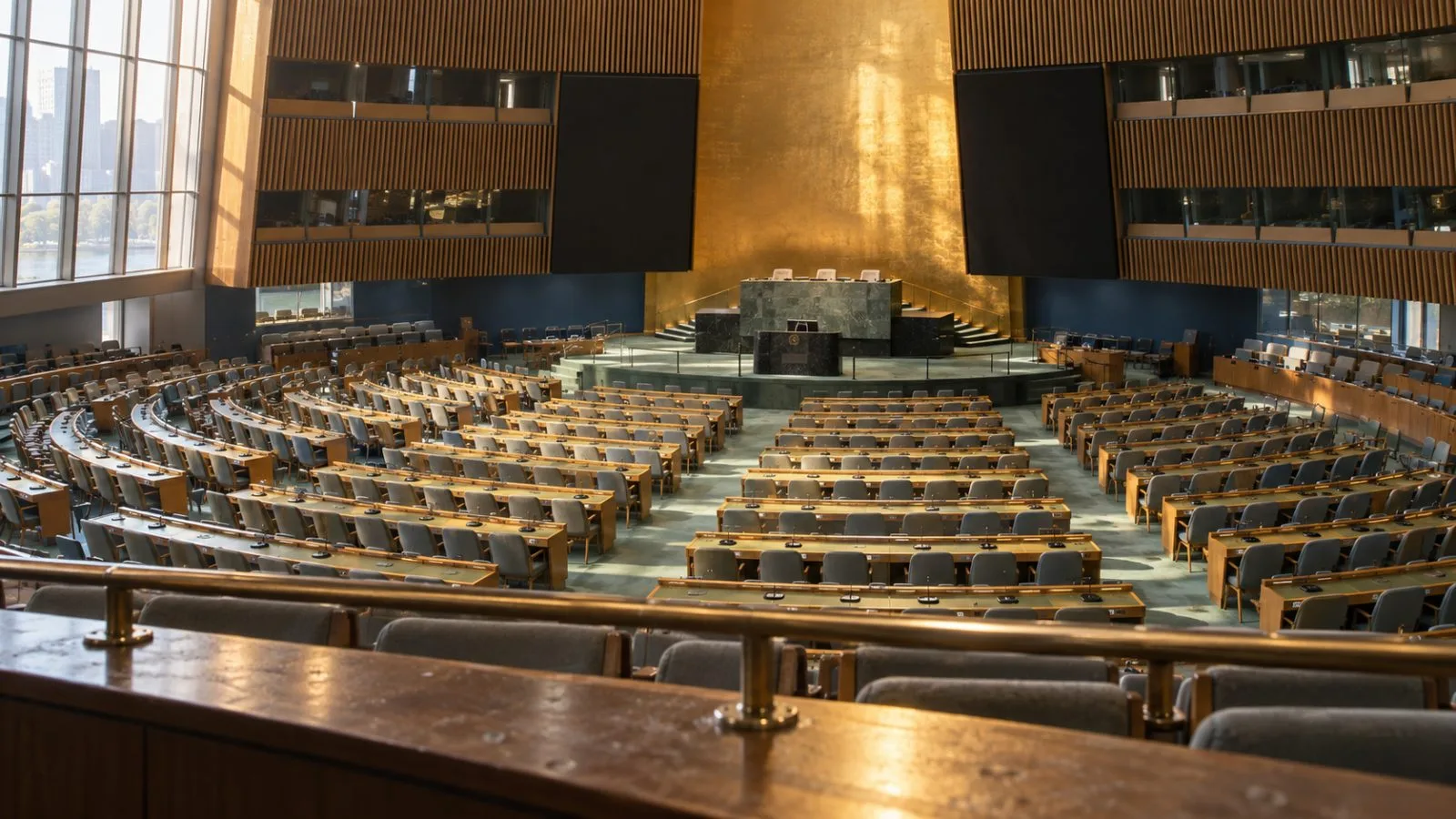
Former U.N. special rapporteur on torture Alice Jill Edwards says perceived disproportionate scrutiny of Israel risks weakening confidence in the United Nations as an impartial mediator.
In an Oct. 30 interview with The Jerusalem Post, Edwards estimated that U.N. communications about Israel since the Oct. 7, 2023, attacks numbered about 50. She put the figure for Sudan at around 10 and the total concerning Russia’s war in Ukraine in the mid-teens. The interview did not identify a defined U.N. database query used to check those comparisons. Edwards also named Sudan, Yemen and the Democratic Republic of the Congo as conflicts she believes receive too little attention.
Edwards alleged that some colleagues sought to soften language about the Oct. 7 attacks and discouraged other officials from endorsing a communication. In the interview, she described an atmosphere of “bullying and intimidation.” In an Oct. 19 essay published by The Telegraph, she argued that U.N. attention during the Gaza-Israel war had been too concentrated on one category of abuses.
On Jan. 3, 2024, Edwards and Morris Tidball-Binz, the U.N. Special Rapporteur on Extrajudicial, Summary or Arbitrary Executions, sent a communication to the State of Palestine, with a copy to Gaza’s de facto authorities. The letter relayed allegations of killings, torture, sexual violence and hostage-taking during the Oct. 7 attacks. It asked for comments and information about steps taken, including cooperation with investigations. The rapporteurs said they supported independent, transparent investigations, and that their letter was not a conclusion about what investigators would find.
A separate mission led by U.N. Special Representative of the Secretary-General on Sexual Violence in Conflict Pramila Patten reported in March 2024 that there was a reasonable basis to believe conflict-related sexual violence took place at several sites during the attacks. It also reported clear and convincing information that some hostages had been subjected to sexual violence. The mission said a comprehensive investigation would be needed to determine the violations’ prevalence, magnitude, scope and specific attribution.
In the interview, Edwards also said the U.N. had documented and verified 90,000 rapes in the DRC in 2025. A March 12, 2026, statement by Patten described a different measure: service providers in eastern DRC logged more than 90,000 cases of conflict-related sexual violence from January through September 2025. The statement did not classify all the cases as rape or describe the total as U.N.-verified.