Alibaba increased quarterly capital spending 60% year over year to about $7.6 billion as AI cloud revenue grew and tighter U.S. chip-export rules could limit its computing capacity.
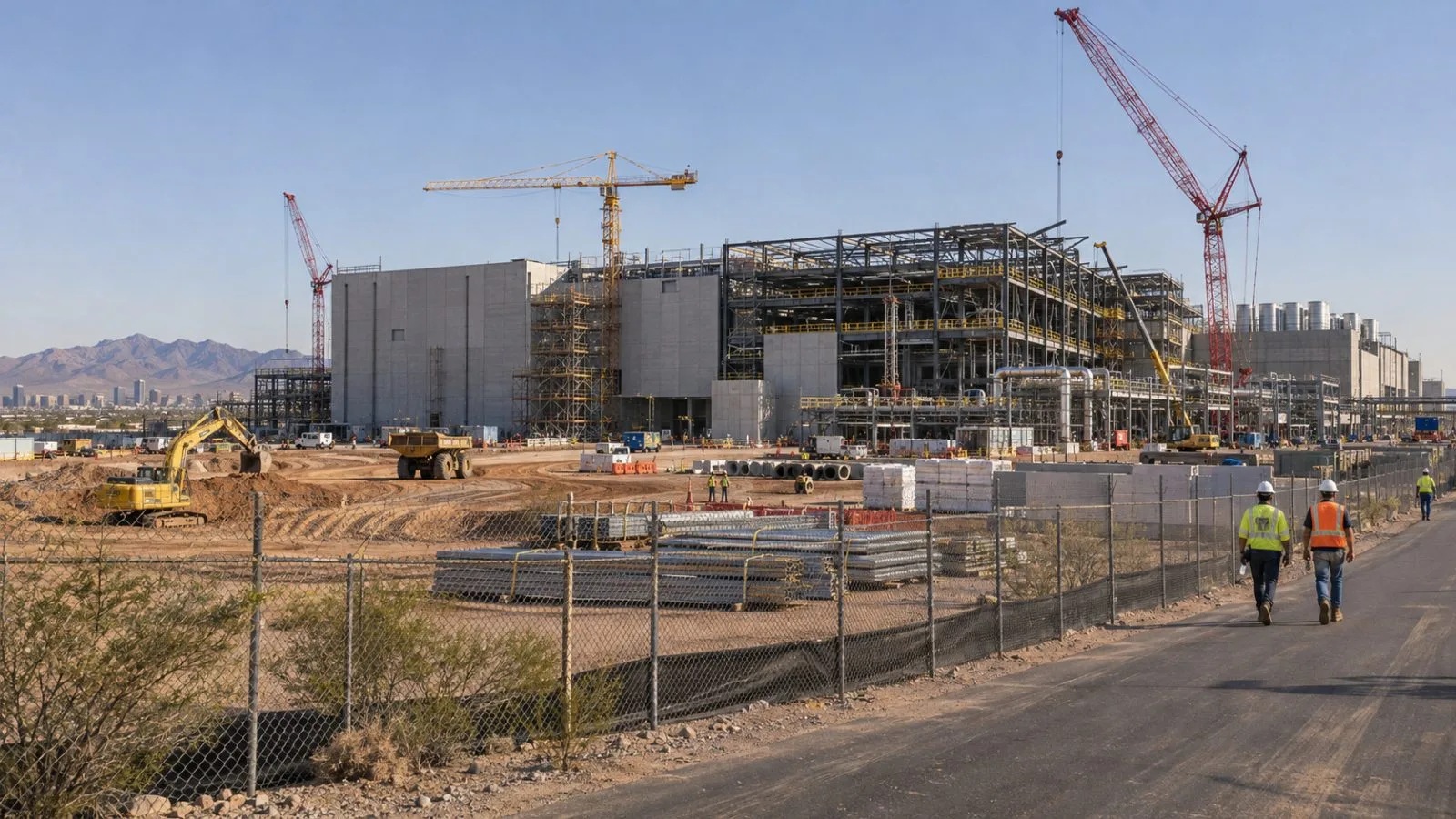
Alibaba’s September-quarter results put the outlay at roughly $7.6 billion, 60% above the comparable period. Higher chip costs and increased computing needs drove the increase. That spending came as its AI and cloud operations continued to expand.
AI Cloud and Compute Services revenue climbed 53%. Revenue from customers outside Alibaba grew 64%. The cloud segment’s adjusted earnings before interest, taxes and amortization, or EBITA, rose 121%, pushing its margin to 14.5%. Sales of AI-linked products remained in triple-digit growth for a 13th straight quarter.
The U.S.-listed stock ended Wednesday at $86.26 after gaining 1.65%. Trading volume was roughly 12.9 million shares, compared with a 50-day average of 10.5 million, while the Nasdaq Composite lost 0.62%.
Thursday trading in Hong Kong put the stock at HK$82.50, up 1.6%. Even after the move, the U.S.-listed shares were about 52% below their January high of $181.10.
The quarter’s figures place spending and growth side by side: Alibaba is paying more for the hardware and computing required to support AI services while reporting stronger demand across the business. Its chip plans also respond to the possibility that tighter U.S. chip-export rules could limit its computing capacity.
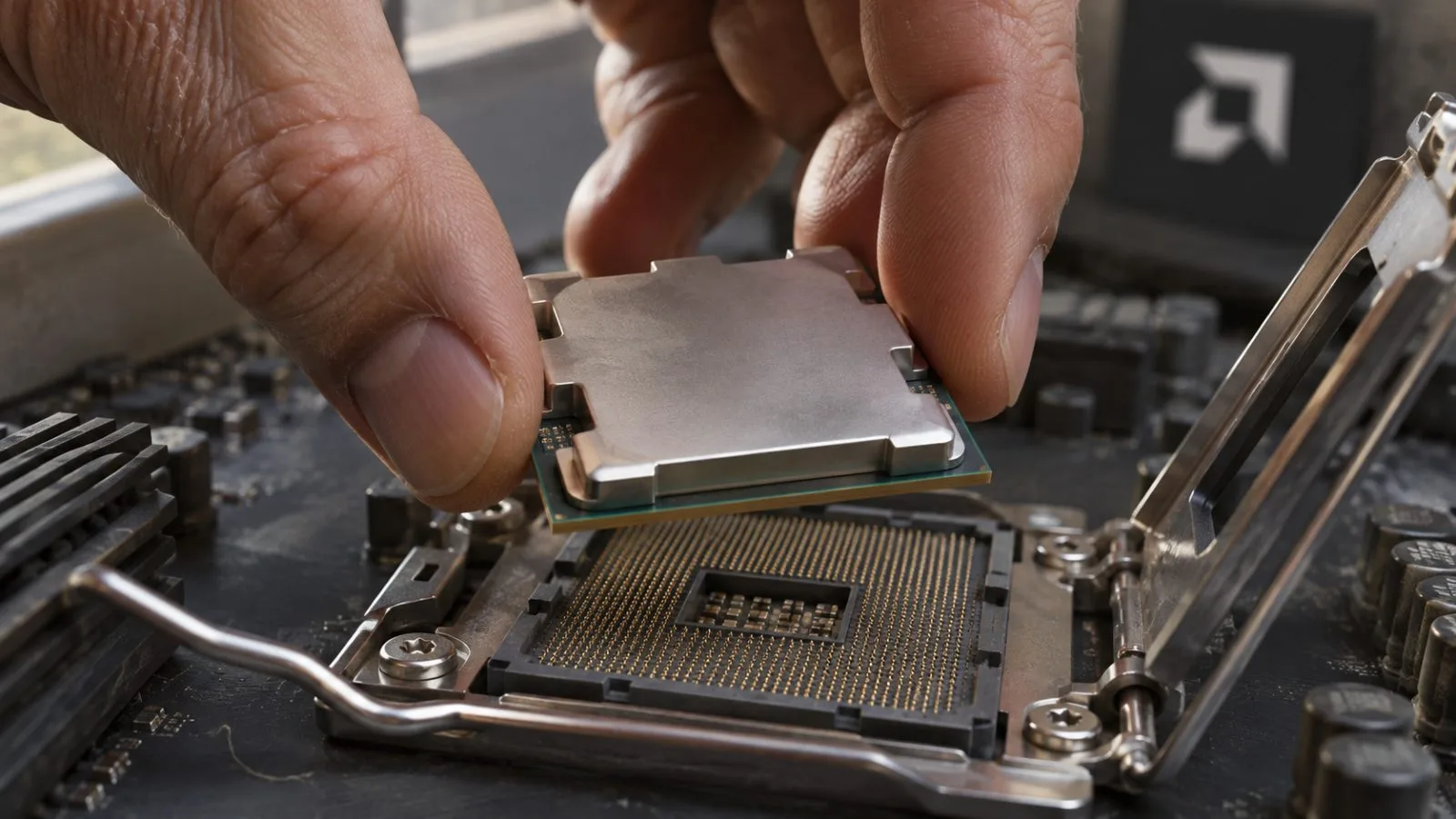
Alibaba is stepping up development of its T-Head chip business. It has proposed listing the unit in Hong Kong, which could help finance additional chip work if completed.
The next announced milestones are planned mass production and commercial release of the Zhenwu V900 processor in the first quarter of 2027.