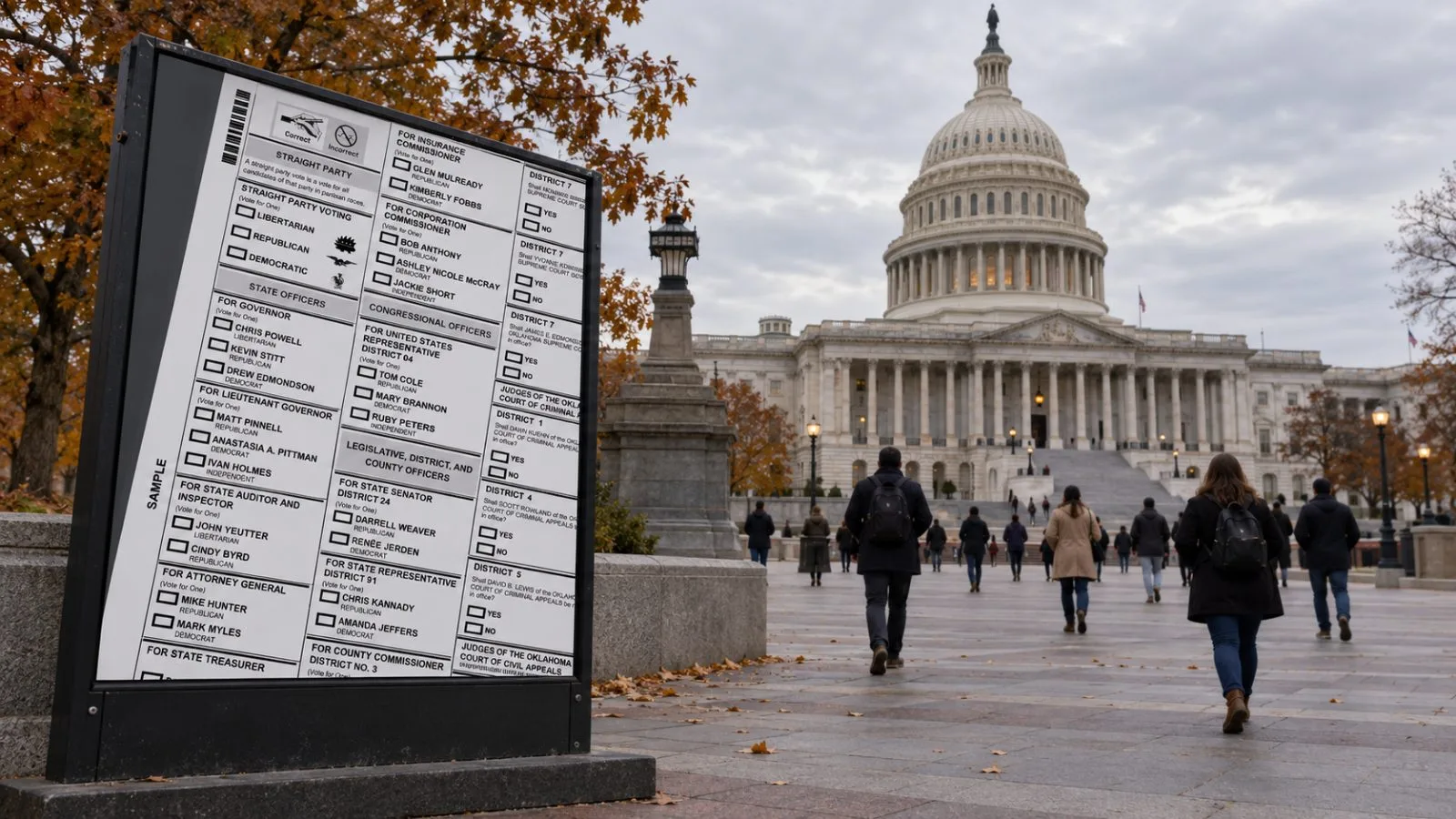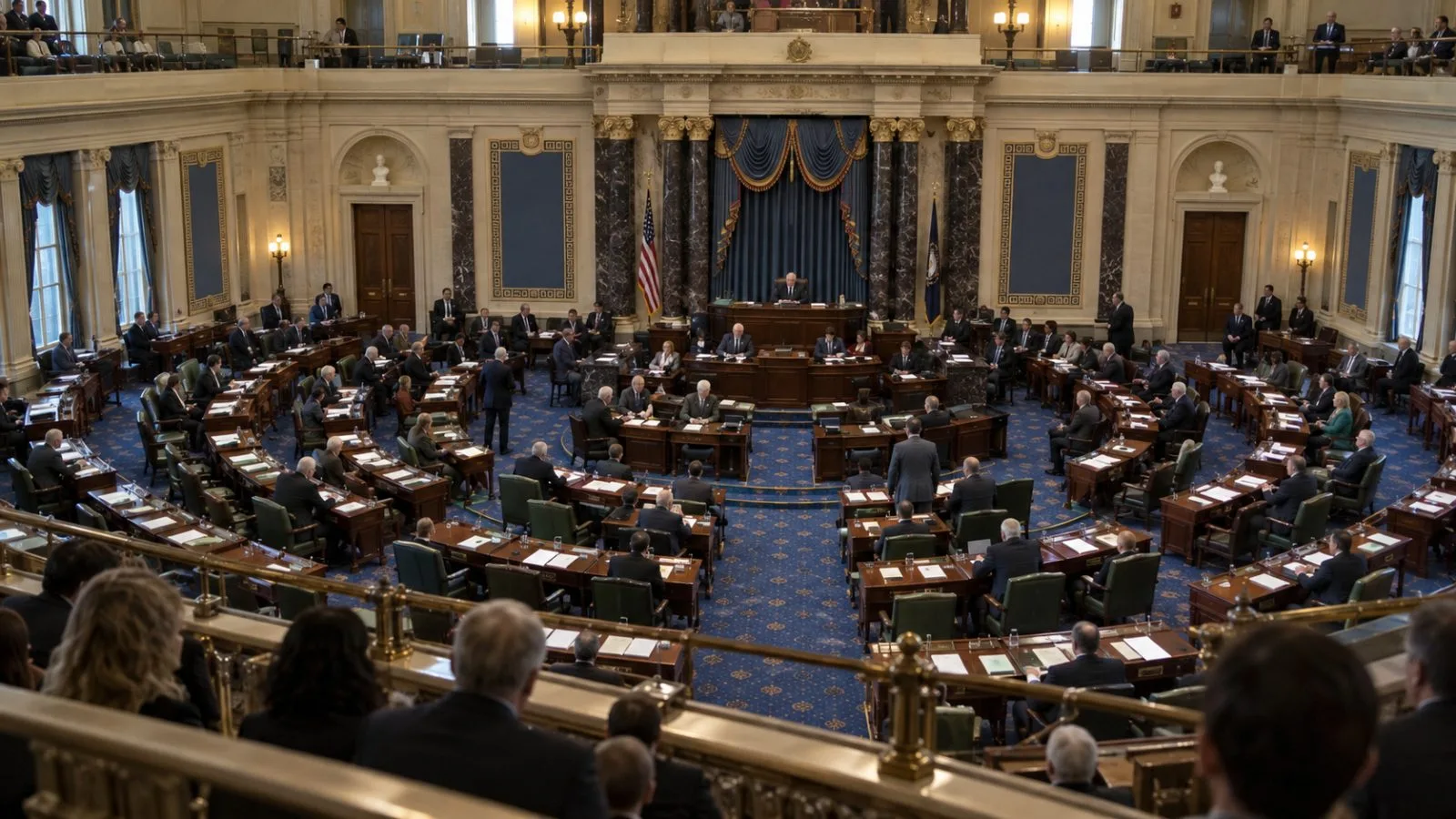
With control of the U.S. Senate at stake Tuesday, Democrats need a net gain of four seats to reach 51, which would give them control of the chamber that confirms or rejects presidential nominees.
The roster from U.S. Senate Daily Press gives Republicans 53 seats and Democrats 45; independents Angus King and Bernie Sanders caucus with Democrats. Vice President JD Vance can break a tie, putting the Democratic-aligned bloc at 47 seats and leaving it four net gains short if it holds its current support. The Senate has 22 Republican-held and 13 Democratic-held seats with terms expiring in January 2027, according to the U.S. Senate Daily Press.
The Independent singled out eight contests: Georgia, New Hampshire, Alaska, Iowa, Maine, North Carolina, Ohio and Texas. Democrats are defending seats in Georgia and New Hampshire; the other six races are in Republican-held states.
A Siena Research Institute poll released Nov. 1 put Democrat Mary Peltola at 48% and Republican Sen. Dan Sullivan at 46% in Alaska, and Democrat Josh Turek at 48% to Republican Ashley Hinson’s 47% in Iowa. In Maine, Democrat Troy Jackson led Republican Sen. Susan Collins 51% to 45%; in Ohio, Democrat Sherrod Brown led Republican Sen. Jon Husted 49% to 44%; and in Texas, Democrat James Talarico led Republican Ken Paxton 50% to 43%. The reported margin of sampling error ranged from 5 percentage points in Alaska to 3.4 in Texas.
A poll by The Atlanta Journal-Constitution and the University of Georgia, conducted Oct. 7-15 among 1,000 likely voters, put Democratic Sen. Jon Ossoff ahead of Republican Mike Collins 48% to 40%. East Carolina University’s poll of 810 likely voters, conducted Sept. 30-Oct. 3, showed Democrat Roy Cooper leading Republican Michael Whatley 50% to 43%. In the North Carolina survey, 55% named the economy and cost of living as their top issue; Cooper led those voters 60% to 31%. The UNH Survey Center’s Nov. 1 final poll summary also said Democrat Chris Pappas led Republican John E. Sununu in New Hampshire.
Michigan is another Democratic-held seat in the wider contest, though it was outside The Independent’s eight-race selection. Siena’s Nov. 1 release put Abdul El-Sayed at 53% and Mike Rogers at 42%; EconoTimes previously covered the broader Siena Senate map.
The Senate confirms or rejects presidential nominees, including federal judges and executive-branch officials, giving its balance a role in the Trump administration’s appointments. Don Levy, executive director of the Siena Research Institute, said “a Senate majority for either party remains possible.” Voters decide the races Tuesday, Nov. 3.