Re-Test Level: 163.80-89
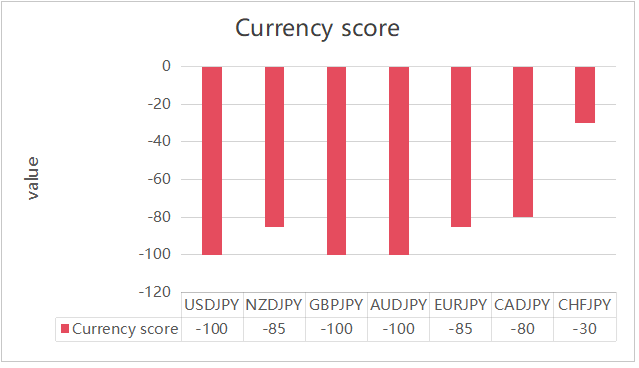
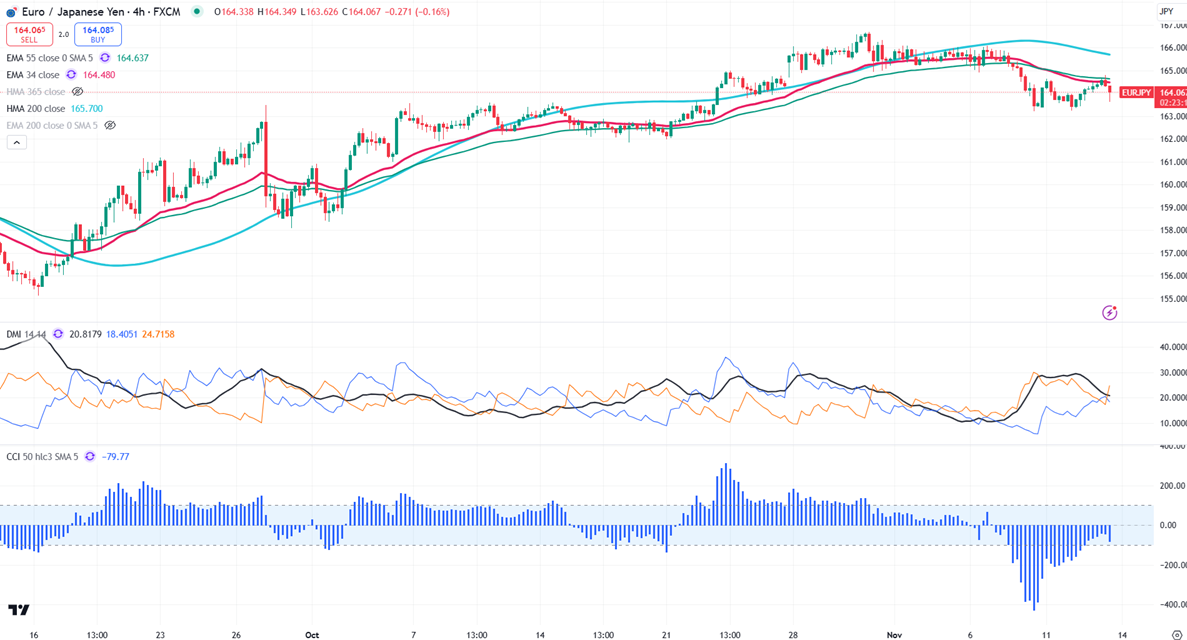
EUR/JPY lost its shine on the weak Euro. It hits a low of 163.62 at the time of writing and is now trading around 164.08. The intraday outlook is bearish as long as the resistance 164.80 holds.
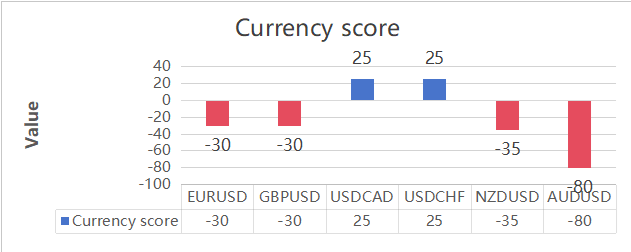
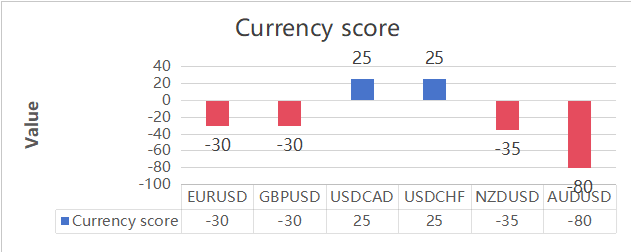
The euro is struggling lately due to political uncertainty in Germany and worries about trade wars. Germany's political situation has become unstable after Chancellor Olaf Scholz dismissed Finance Minister Christian Lindner, leading to the collapse of his coalition government. Scholz now leads a minority government, making it harder to pass important laws, and he has called for a confidence vote in January. If he fails, early elections could happen by March. Meanwhile, concerns about potential trade wars with the U.S. have also emerged, especially with Donald Trump back in power, raising fears of new tariffs on European goods. Analysts warn that these tariffs could lead to a 1.5% decline in Germany's GDP, putting additional pressure on its economy. Today, the euro is trading weak against the U.S. dollar, continuing a downward trend that has seen the EUR/USD pair hit a seven-month low. Currently, the euro has fallen for the third day in a row, trading at about 1.0608 and briefly reaching a low of 1.0606, which is the lowest level since mid-April 2024, reflecting a decline of approximately 0.38%.
The recent U.S. Consumer Price Index (CPI) report revealed a rise in inflation, with headline inflation increasing to 2.6% from 2.4% in September. Core inflation remained steady at 3.3%, which supports expectations that the Federal Reserve may adopt a more gradual approach to interest rate cuts, thus strengthening the dollar against other currencies, including the euro.
Several factors are contributing to the euro's decline. Weak economic sentiment from the Eurozone is one major factor, as the ZEW economic sentiment index dropped sharply to 12.5 in November, down from 20.1 in October, signaling increasing pessimism about the economic outlook. Additionally, political uncertainty in Germany, including discussions about potential snap elections, has raised concerns over future economic policies and their impact on European exports.
Technical Analysis
The pair is currently below the 34- and 55 EMA, as well as the 365 Hull moving average on the 4-hour chart.
Near-Term Resistance: Around 164.25. A breakout here could lead to targets of 164.80/165.35.
Immediate Support: At 163.75. If this level is breached, the pair could drop to 163, 162.17, 161.80, 161.20, 160.65, 160, 159, or 158.35.
Indicator Analysis (4-hour chart)
- CCI (50): Bearish
- Average Directional Movement Index: Bearish
Overall, indicators suggest a bearish trend.
Trading Recommendation
Consider selling on rallies around 164.28-30, with a stop loss at 164.80, aiming for take profit levels at 160.10.