


 Hong Kong’s Second Solana ETF Launches With Lower Fees
  US Suspends Microsoft, Adobe From Green Card Program
  Canton Network Expands in South Korea With Major Partnerships
  Arthur Hayes Announces FLOP Testnet Launch Within Weeks
  TSMC Q3 Revenue Beats Estimates as AI Chip Demand Surges
  TSMC Profit Set to Surge 65% as AI Chip Demand Drives Record Earnings
  South Korea Blocks 27 Crypto Exchange Websites in Regulatory Crackdown
  Elon Musk Accuses Indian Telecom Giants of Blocking Starlink Launch
  Samsung, SK Hynix Shares Plunge as China Chip Competition Grows
  Tencent Shares Fall as $5 Billion AI Bond Sale Weighed
  Albertsons Seeks $9.3 Billion From Kroger Over Failed Merger
  Nvidia’s China AI Chip Market Share Falls to 34% as Huawei Gains Ground
  Morgan Stanley Predicts $10 Trillion RWA Market by 2030
  Trump Buys Up to $25M in Meta Stock, Invests in SpaceX Debt
  Epic Games Delays Disney Shooter, Shifts to AI-First Development
  Most Americans Oppose Election Betting on Prediction Markets, Poll Finds
  Moonshot AI Executives Seek Settlement Ahead of Hong Kong IPO


 Add as a preferred source on Google
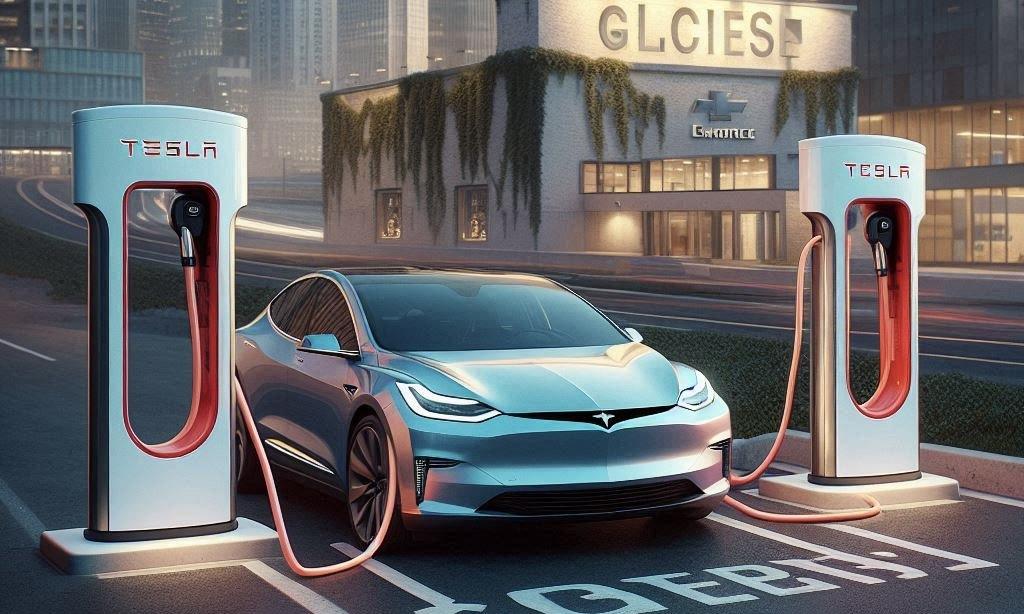
General Motors has announced that its electric vehicle owners will gain access to Tesla’s 17,800 Superchargers across North America, starting September 18. However, GM customers are required to purchase a GM-approved NACS adapter for $225 to use the Supercharger network, unlike competitors like Ford.
GM Enables Tesla Supercharger Access for EVs, Expanding Charging Options Across North America
General Motors (GM) announced that on September 18, qualified electric vehicles will have access to 17,800 Tesla Superchargers in North America. Tesla's NACS-compatible Superchargers would be accessible to GM electric vehicles through a GM-approved NACS DC adapter.
The Tesla Supercharger Network, as specified in a press release by General Motors, provides GM electric car owners with access to more than 231,800 public Level 2 and DC rapid chargers in North America. The veteran automaker announced that its NACS DC adapters would be initially available to customers in the United States, with further availability to customers in Canada expected later this year.
Wade Sheffer, the vice president of GM Energy, commented on the company's new Tesla Superchargers, which are available for EVs.
“GM’s ongoing efforts to help accelerate the expansion of public charging infrastructure is an integral part of our commitment to an all-electric future. Enabling access to even more publicly available fast chargers represents yet another way GM is focused on further improving the customer experience and making the transition to electric more seamless,” Sheffer said.
GM Charges $225 for NACS Adapter, Unlike Ford and Rivian’s Free Adapter Offerings
General Motors would require its EV customers to acquire an NACS DC adapter with an MSRP of $225, unlike Ford and Rivian, which provide their customers with an NACS adapter at no cost. According to Teslarati, GM announced in its press release that it would utilize a variety of suppliers to manufacture NACS DC adapters that have been approved for use in electric vehicles for its customers.
GM has also warned customers that using a non-GM NACS adapter may void certain portions of a vehicle's limited warranty.
“GM strongly advises that customers use a GM-approved NACS DC adapter for charging on the Tesla Supercharger Network, which has been specifically designed to protect GM EV batteries while charging. Customers who leverage an adapter which is not sold or provided by GM could potentially damage the EV’s battery which could potentially void portions of the vehicle’s limited warranty,” GM wrote.
Although EV owners will undoubtedly welcome GM's introduction of Tesla Supercharger compatibility, the automaker's decision to charge $225 for a NACS adapter may cause controversy. Ford, which sold more electric cars than GM during the second quarter, is providing NACS adapters to Mustang Mach-E and F-150 Lightning owners at no cost, which may be contributing to the situation.







