Gen Z-led protests in 15 countries have turned economic hardship and anger over corruption into demands for better public services, with some movements winning policy reversals as others face state violence, CIVICUS says.
CIVICUS’ 2026 State of Civil Society report identifies movements in India, Indonesia, Madagascar, Morocco, Nepal, Serbia, Peru and the Philippines, among other countries. It says protesters have raised concerns about scarce opportunities, poor services and government choices they view as favoring elites.
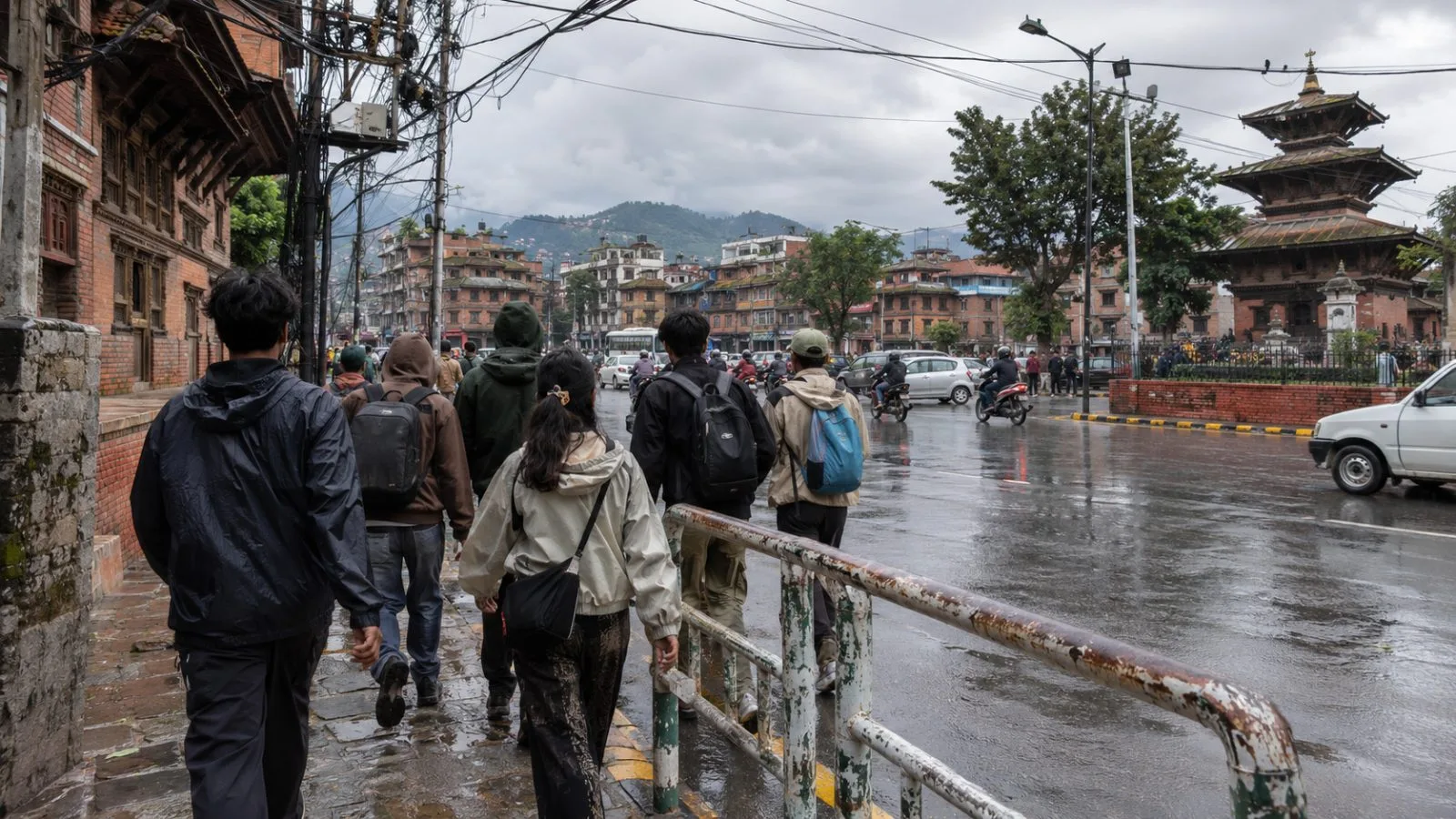
In Nepal, a government ban on 26 social media platforms helped trigger demonstrations. In Serbia, anger over corruption grew after a railway station canopy collapsed in November 2024, killing 16 people.
The report also describes protesters learning from organizers abroad through online networks. Madagascar participants joined Nepal-based Discord groups to examine how those members organized and what obstacles they faced, CIVICUS said.
Some campaigns secured policy changes. Indonesia’s parliament dropped new allowances for lawmakers. Timor-Leste’s government scrapped plans for free cars for parliamentarians and lifetime pensions for former politicians, according to the report.
CIVICUS says state violence was a common response in the cases it reviewed, including beatings, lethal force, mass arrests and torture. In Bangladesh, a youth-led movement ousted the government in 2024. A party formed from the protest movement won only a handful of seats in February 2026, the report said.
Carnegie Endowment for International Peace’s Global Protest Tracker counted more than 97 significant anti-government protests in more than 55 countries during the 12 months before its Sept. 9, 2026, update. The tracker does not provide a standardized count of protests seeking to replace governing systems. EconoTimes previously examined the tracker’s lack of a standardized count for those protests.