


 Elon Musk Donates $366 Million to 2026 US Midterms
  Samsung, SK Hynix Shares Plunge as China Chip Competition Grows
  IMF, World Bank Meetings Face Global Economic Risks Amid Iran War
  Deutsche Bank CEO Urges Faster German Economic Reforms
  Amazon Cuts More Jobs as AI Investment Expands
  Moonshot AI Executives Seek Settlement Ahead of Hong Kong IPO
  Airbus Tests Valkyrie Combat Drone in Europe for Eurofighter Integration
  European Stocks Rise as Oil Prices Fall Ahead of US CPI
  Oil Prices Fall as Trump Ceasefire Claim Shifts Market Focus to U.S. CPI
  Arthur Hayes Announces FLOP Testnet Launch Within Weeks
  European Auto Stocks Rise as EU-China Trade Deal Targets Hybrid Imports
  Asian Stocks Mixed as OpenAI Revenue Concerns Hit Chipmakers
  Bank of America Predicts Yen Rebound as USD/JPY Faces Risks
  Nvidia’s China AI Chip Market Share Falls to 34% as Huawei Gains Ground
  Coinbase CEO Backs SEC Accredited Investor Reform
  Oil Prices Slip as Trump Rules Out Iran Strike Before Midterms


 Add as a preferred source on Google
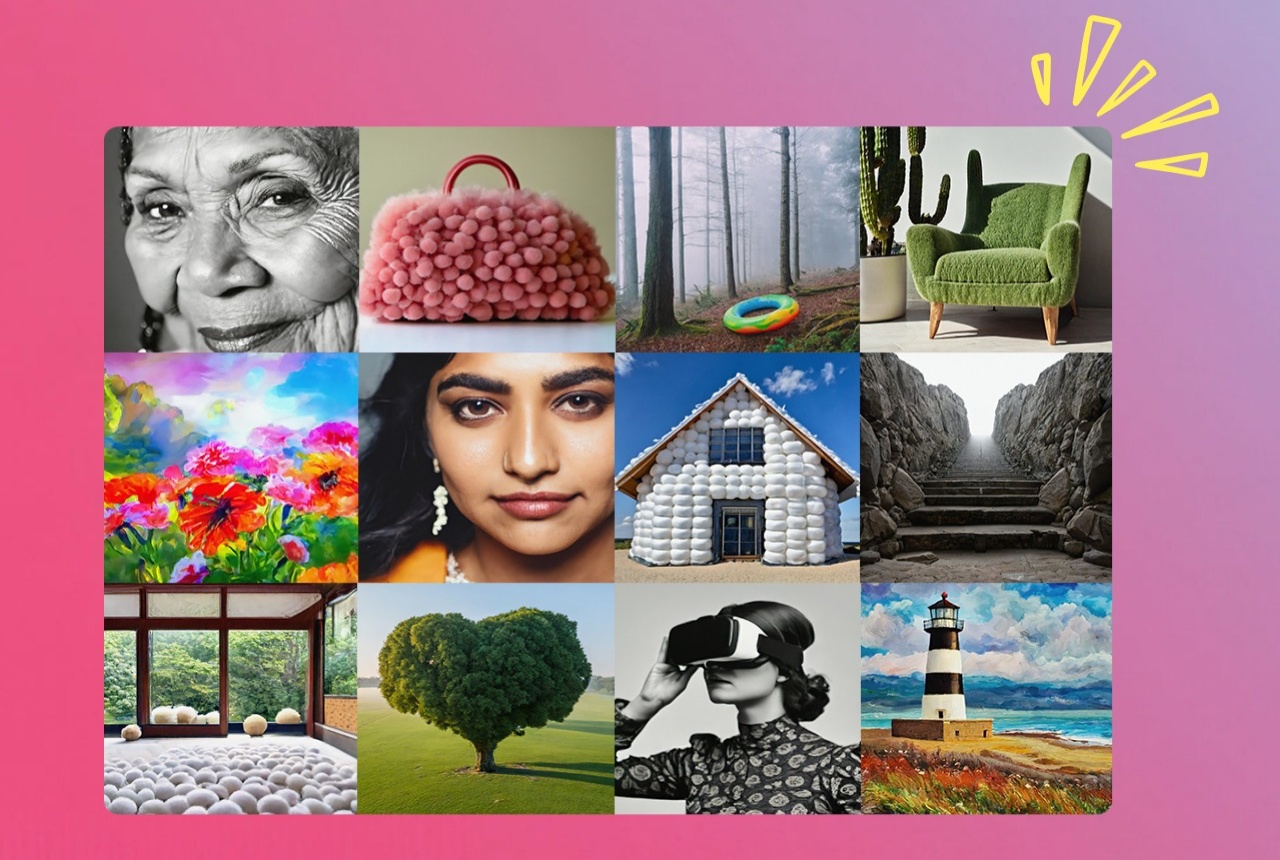
Getty Images Holdings Inc. and NVIDIA are collaborating on an AI-driven image generator, striving to produce content free from copyright concerns and averting deepfake creation and intellectual property infringements.
According to Bloomberg, Getty Images owns the rights to millions of photos generated using the new product. They will train the AI tool to avoid legal issues by limiting what images will power the generator.
The AI-powered image generator will utilize Getty’s pile of creative images, except for the news photo collection. Through this system, the company will be able to prevent the production of deepfakes.
Likewise, the new tool will stop users from using or integrating copyrighted material or assets they do not own. With this, there is no way to produce images that will create legal issues.
In any case, before this invention, Getty Images sued Stability AI, which made the Stable Diffusion image generator popular. It filed a lawsuit due to Stability’s use of Getty’s images without permission.
“We are excited to launch a tool that harnesses the power of generative AI to address our customers’ commercial needs while respecting the intellectual property of creators,” Getty Images’ chief executive officer, Craig Peters, said in a press release. “We have worked hard to develop a responsible tool that gives customers confidence in visuals produced by generative AI for commercial purposes.”
Users who create and download images through Getty’s new AI image generator tool will get the brand’s standard royalty‑free license. In addition, they will also receive warranties and the right to perpetual, non-exclusive use of all media worldwide.
“We have listened to customers about the swift growth of generative AI and have heard both excitement and hesitation and tried to be intentional about how we developed our own tool,” Getty Images’ chief product officer, Grant Farhall, said. “We have created a service that allows brands and marketers to safely embrace AI and stretch their creative possibilities while compensating creators for the inclusion of their visuals in the underlying training sets.”
Photo by: Getty Images Newsroom







