


 Huawei, Qualcomm Sign Multi-Year AI and 5G Patent Deal
  Fairshake Backs 32 Pro-Crypto House Candidates
  SEC Investor Reform Validates Barry Silbert’s Tokenization Vision
  DeepSeek Seeks $12 Billion Funding Round Backed by Tencent, CATL
  AAVE, PUMP, WLD and SKY Rally as Crypto Market Slips
  Zcash NU7 Testnet Cuts Block Time to 25 Seconds
  Morgan Stanley Bitcoin ETF Nears $1 Billion Milestone
  Bajaj Finance Shares Rise 3.4% as AUM Jumps 27%
  Blackstone, Bain Eye $6.3 Billion Fuji Media Property Deal
  Kraken Parent Payward Adds 24/7 Settlement With Singapore Gulf Bank
  Strategy’s STRC Nears $100, Raising Prospects for Major Bitcoin Buys
  Samsung, SK Hynix Shares Fall Ahead of Q3 Earnings
  BofA Raises Coinbase Stock Target to $203 on Stablecoin Growth
  Nvidia-Backed Reflection AI Launches Beam Open-Weight Model
  OpenAI, Anthropic Back Mandatory AI Breach Reporting in Australia
  Meta and Microsoft Cut Internal Claude AI Use
  NEAR Price Rally Cools as $4.60 Support Takes Focus


 Add as a preferred source on Google


Monday August 26 is when the government’s updated Fair Work legislation comes into force.
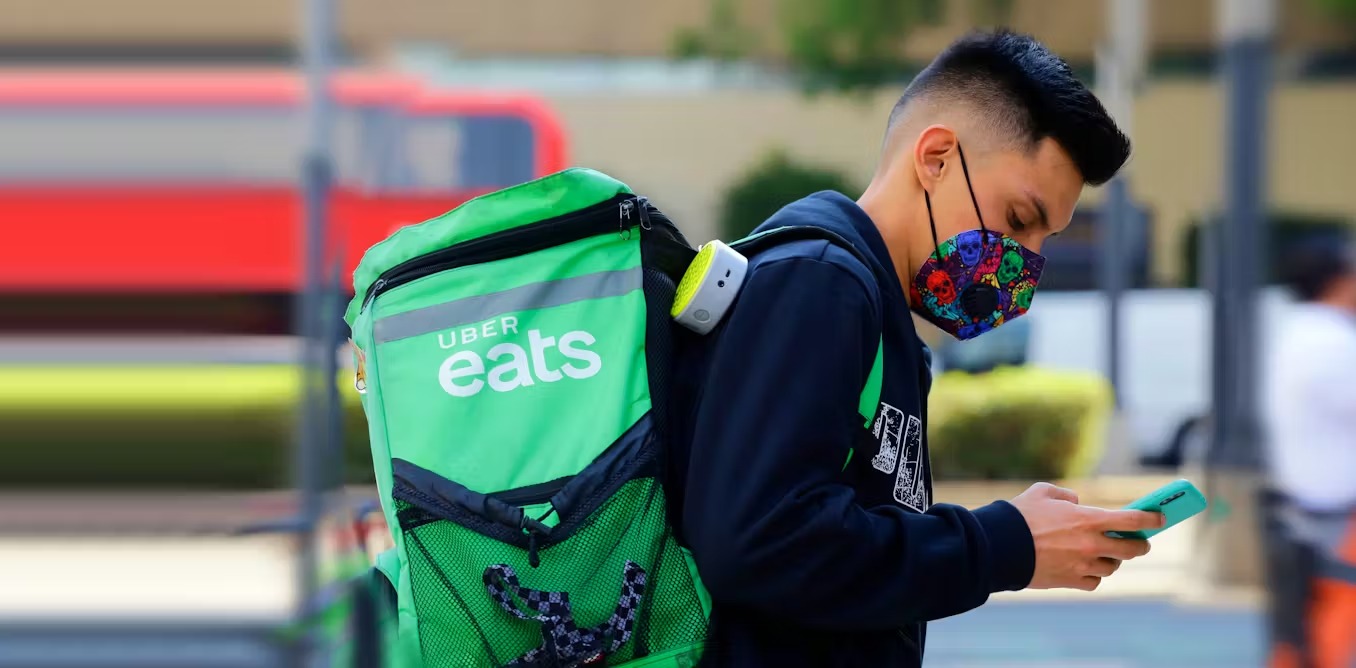
The new laws will offer new rights to so-called “gig workers” who take on jobs through platforms such as Uber, Menulog and Lyft.
Most gig workers aren’t currently classified as employees, meaning they miss out on rights such as sick leave, annual leave and minimum pay rates.
The new law empowers the Fair Work Commission to set minimum standards for a new category of workers known as “employee-like workers” – workers who get work through digital platforms used for things such as food delivery, ride share and personal care.
Until now, the law has recognised only two categories of workers: employees and independent contractors.
The law creating the new category of employee-like workers also creates a new category for the companies operating the platforms through which the workers obtain work: “digital labour platform operators”.
Many (but not all) of the rights of employees
The new law allows employee-like workers and their representatives to apply to the Fair Work Commission for minimum standards orders tailored to their work.
Among the things that can be included in the orders are payment terms, record-keeping and insurance.
But, significantly, the Commission will not be able to set minimum standards for things such as overtime rates and rostering arrangements.
The government says this is to ensure the standards benefit workers without “requiring them to forego the flexibility they value”.
What employee-like workers will also get is protection from “unfair deactivation” and unfair contract terms, and the rights to seek collective agreements and to ask the Fair Work Commission to resolve disputes.
The Commission won’t treat claims of unfair deactivation or unfair contract terms in quite the same way as it treats unfair dismissal cases.
The procedures are to be “quick, flexible and informal”, allowing the Commission to order reactivation, but not compensation, which is explicitly prohibited.
There’s much that’s unclear
There is an awful lot that won’t become clear for some time, including the extent to which platform operators will become liable for the things done by and that happen to their employee-like workers.
Would, for example, Uber be liable for an assault on a passenger perpetrated by one of its drivers? Would Uber Eats be liable for a “workplace accident” that injured one of its delivery riders?
They are questions the Fair Work Commission will have to work through, and the answers aren’t obvious.
While the Commission is ideally set up to adjudicate disputes between workers and employers, it might not be the optimal body to adjudicate disputes involving platforms where the traditional employee-employer relationship doesn’t fit.
Nevertheless, the new rules starting on Monday are a step forward.
Gig workers are often drawn from vulnerable populations, such as international students and culturally diverse communities, who deserve protection.
The success of the new law is in the hands of the Commission. It will have to treat both gig workers and the platforms that engage them without bias, ensuring a “fair go all round” for both.







