


 Oil Prices Slide as Middle East Flows Recover
  Asian Currencies Mixed as Yen Weakens, RBA Hike Looms
  Asian Currencies Weaken as Dollar, Oil Prices Rise
  BOJ Set for Rate Hike as Inflation and Yen Pressure Mount
  China, US Extend Trade Truce Through January 10 After Trump-Xi Summit
  U.S. Stock Futures Fall as Iran, Oil and AI Risks Rattle Markets
  China Cuts Tariffs on U.S. Farm Goods but Excludes Soybeans
  Gold Plunges 4% as Treasury Yields Surge and Fed Rate Hike Bets Rise
  UK Housebuilder Stocks Surge on New First-Time Buyer Loan Scheme
  RBA Set for September Rate Hike as Inflation Stays High
  BlackRock’s Rick Rieder Favors Bonds Over Stocks as Treasury Yields Surge
  Trump Eyes $54 Billion South Korean Investment in Alaska LNG
  Japan Factory Output Unexpectedly Falls 1.7% in August
  Yen in Focus as BOJ, Fed Rate Hikes Reshape Currency Markets


 Add as a preferred source on Google
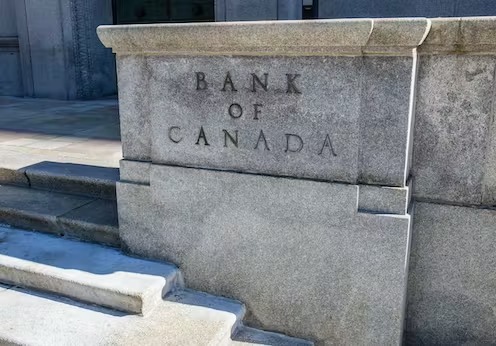
The United States Federal Reserve and Bank of Canada both held interest rates steady on Wednesday while signaling heightened vigilance as the ongoing Iran conflict continues to drive energy prices to alarming levels. The decisions came amid a critical week of global central bank meetings, forcing policymakers to once again navigate the delicate balance between controlling inflation and protecting economic growth.
Fed Chair Jerome Powell acknowledged that rising energy costs would likely push overall inflation higher in the short term but stressed that the full economic impact remains uncertain. The Fed voted 11-1 to keep its benchmark rate within the 3.50%–3.75% range. Notably, Powell's reluctance to prioritize labor market risks over inflation concerns pushed market expectations for rate cuts further out, now pointing toward 2027. U.S. inflation has remained above the Fed's 2% target for five consecutive years.
Bank of Canada Governor Tiff Macklem echoed similar caution, stating that while the bank would initially look past the war's direct inflationary effects, persistent high energy prices would prompt decisive action. The BoC held its key rate at 2.25%.
In contrast, Brazil's central bank bucked the hawkish trend by cutting its benchmark rate by 25 basis points to 14.75%, launching a long-anticipated easing cycle despite raising its 2025 inflation forecast from 3.4% to 3.9%.
Brent crude oil surged past $107 per barrel on Wednesday, up sharply from roughly $70 before hostilities involving Iran erupted on February 28, with prices threatening further gains after Iran launched retaliatory strikes on regional energy infrastructure.
The Reserve Bank of Australia had already raised rates a day earlier, citing material inflation risks. The Bank of Japan, European Central Bank, and Bank of England are all scheduled to announce decisions Thursday, with none expected to hike but all facing a significantly cloudier monetary policy landscape.







