


 Gold Rebounds as Oil Falls and Treasury Rout Eases
  Asian Currencies Mixed as Yen Weakens, RBA Hike Looms
  RBA Hikes Interest Rate to 4.60% as Inflation Risks Rise
  Europe’s AI Data Centre Boom Strengthens Case for Nuclear Power
  U.S. Stock Futures Fall as Iran, Oil and AI Risks Rattle Markets
  Fed Unveils Stablecoin Rules Under GENIUS Act
  Oil Prices Rise as Iran Holds Firm on Strait of Hormuz Deal
  Asian Stocks Fall as Bond Yields and Oil Prices Surge
  RBA Set for September Rate Hike as Inflation Stays High
  Gold Holds Near Seven-Week Low as Fed Rate Hike Bets Rise
  BOJ Set for Rate Hike as Inflation and Yen Pressure Mount
  Australia Budget Deficit Narrows to A$22.3 Billion on Stronger Tax Revenue


 Add as a preferred source on Google
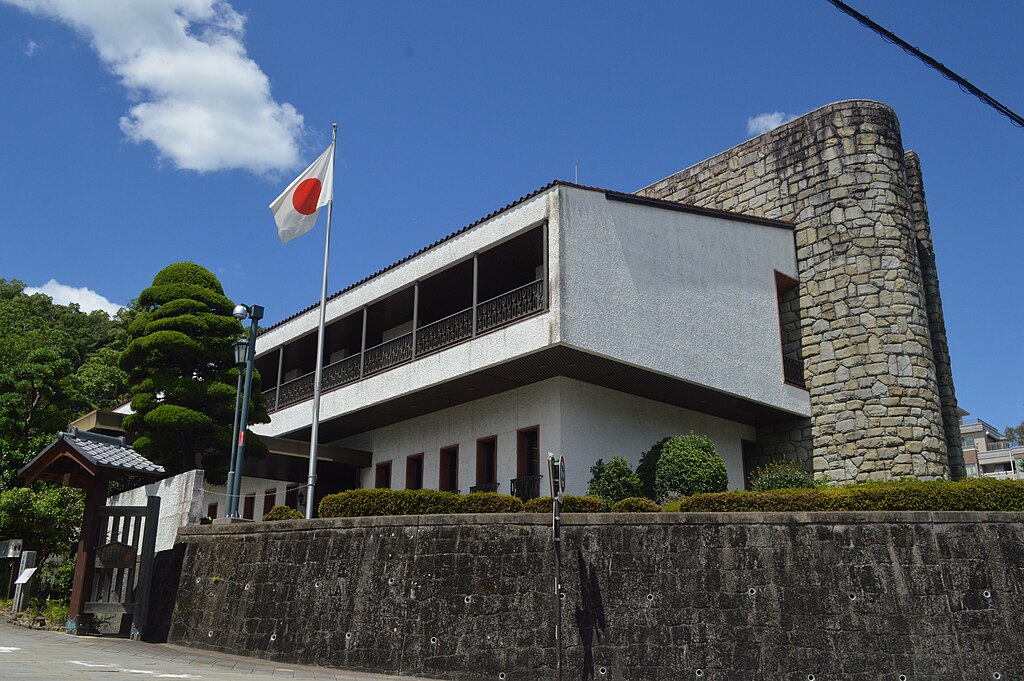
The Bank of Japan (BOJ) is widely expected to keep its interest rates unchanged at its upcoming April 27–28 policy meeting, while signaling a possible rate hike as early as June or July. With global markets already pricing out an immediate increase, investor attention is shifting toward the BOJ’s quarterly outlook report and Governor Kazuo Ueda’s remarks for clues on future monetary policy direction.
Analysts believe the central bank will maintain its short-term policy rate at 0.75% but adopt a more hawkish tone. This shift reflects growing concern over inflation risks driven by geopolitical tensions, particularly the ongoing conflict in the Middle East, which has disrupted energy markets and pushed oil prices higher. Japan’s heavy dependence on imported oil makes its economy especially vulnerable to such shocks.
Rising fuel costs, combined with a persistently weak yen, are increasing pressure on businesses to pass higher expenses onto consumers. This trend is keeping inflation above the BOJ’s 2% target for nearly four years. Economists note that changes in corporate pricing behavior could lead to “second-round effects,” where sustained price increases feed into broader inflation across the economy.
While the BOJ does not currently anticipate a full wage-price spiral, policymakers remain cautious. Some board members have emphasized the need for vigilance, warning that delayed action could require more aggressive rate hikes later. As a result, the BOJ may adjust its policy guidance to highlight flexibility in responding to evolving inflation conditions.
According to a Reuters poll, nearly two-thirds of economists expect Japan’s benchmark interest rate to reach 1.0% by the end of June. Meanwhile, the central bank is likely to revise its economic forecasts, lowering growth projections due to rising energy costs while increasing its inflation outlook for fiscal 2026.
Despite concerns about global supply disruptions, including potential impacts from the Strait of Hormuz, the BOJ is expected to treat these risks as external factors rather than core elements of its baseline scenario. Overall, the central bank appears committed to gradually normalizing interest rates while closely monitoring inflation trends and economic stability.







