


 Fed Unveils Stablecoin Rules Under GENIUS Act
  South Korea Exports Set for 16th Monthly Gain on AI Chip Demand
  Japan Warns Markets Over Yen Weakness
  Fed’s Hammack Says Bond Yield Surge Is Not Driven by Inflation Fears
  Central Banks Could Buy 20,000 Tonnes of Gold: BofA
  Hong Kong Home Prices Stabilize in August After July Decline
  Australia Budget Deficit Narrows to A$22.3 Billion on Stronger Tax Revenue
  Gold Rebounds as Oil Falls and Treasury Rout Eases
  Gold Holds Near Seven-Week Low as Fed Rate Hike Bets Rise
  XRP Price Targets $1.70 as Bullish Momentum Builds
  Global Central Banks Brace for More Rate Hikes as Inflation Risks Rise
  BOJ Set for Rate Hike as Inflation and Yen Pressure Mount
  China Cuts Tariffs on U.S. Farm Goods but Excludes Soybeans
  Fed Rate Hike Threatens Housing as U.S. Growth Leans on AI, Citi Says
  RBI Uses $10 Billion Currency Swaps to Drain Excess Rupee Liquidity


 Add as a preferred source on Google
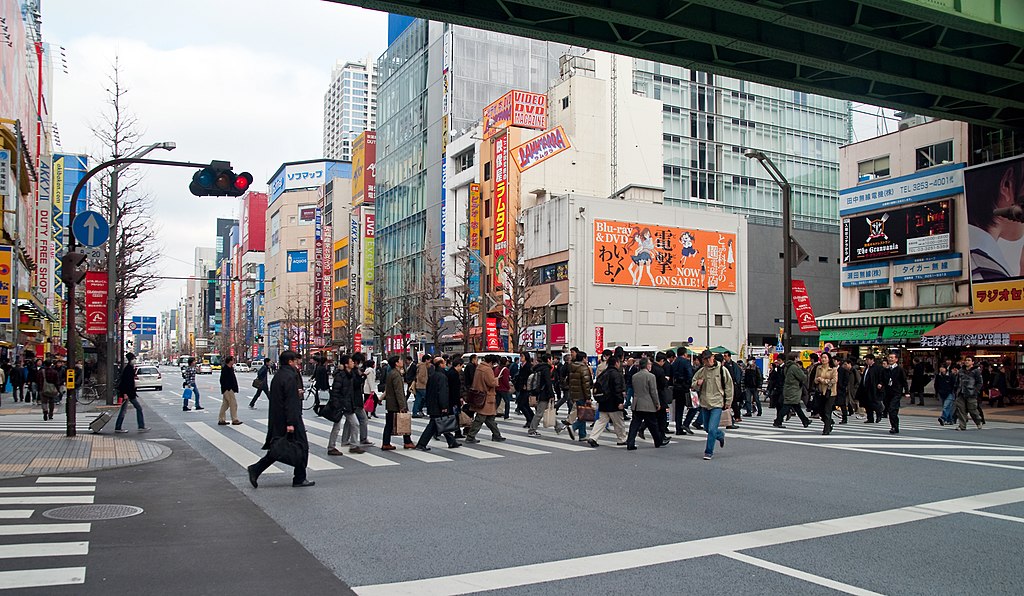
Most Japanese households expect inflation to continue rising in the coming years, according to a recent Bank of Japan (BOJ) quarterly survey, reinforcing pressure on policymakers to pursue further interest rate hikes. However, global uncertainty—particularly linked to the ongoing Middle East conflict—has complicated the outlook for monetary policy and delayed expectations for immediate action.
The BOJ survey revealed that 83.7% of households anticipate higher prices over the next year, slightly down from 86.0% in the previous quarter. Long-term expectations remain elevated, with 82.6% of respondents predicting price increases over the next five years. Notably, households forecast an average price rise of 10.3% over that period, marking the highest level since the data series began in 2006. These rising inflation expectations highlight persistent cost pressures in Japan’s economy.
Despite this trend, financial markets have scaled back predictions of an April interest rate hike. Concerns surrounding the Middle East conflict, particularly uncertainty over the reopening of the Strait of Hormuz, have created volatility. Japan’s heavy reliance on imported fuel makes it especially vulnerable to disruptions in oil supply, which could further increase energy costs and strain economic growth.
Economists suggest that even if geopolitical tensions ease soon, the economic impact is only beginning to appear in data. Analysts at Moody’s Analytics and Mitsubishi UFJ Morgan Stanley Securities indicate that the BOJ is likely to adopt a cautious approach, carefully assessing the inflationary effects of rising energy prices before making policy adjustments.
As a result, expectations have shifted toward a possible rate hike in June rather than April. The BOJ’s upcoming policy meetings on April 27–28 and June 15–16 will be closely watched by investors and economists alike. While Japan’s short-term policy rate remains at 0.75%, below neutral levels, persistent inflation expectations suggest that further tightening is still on the horizon, albeit at a measured pace.







