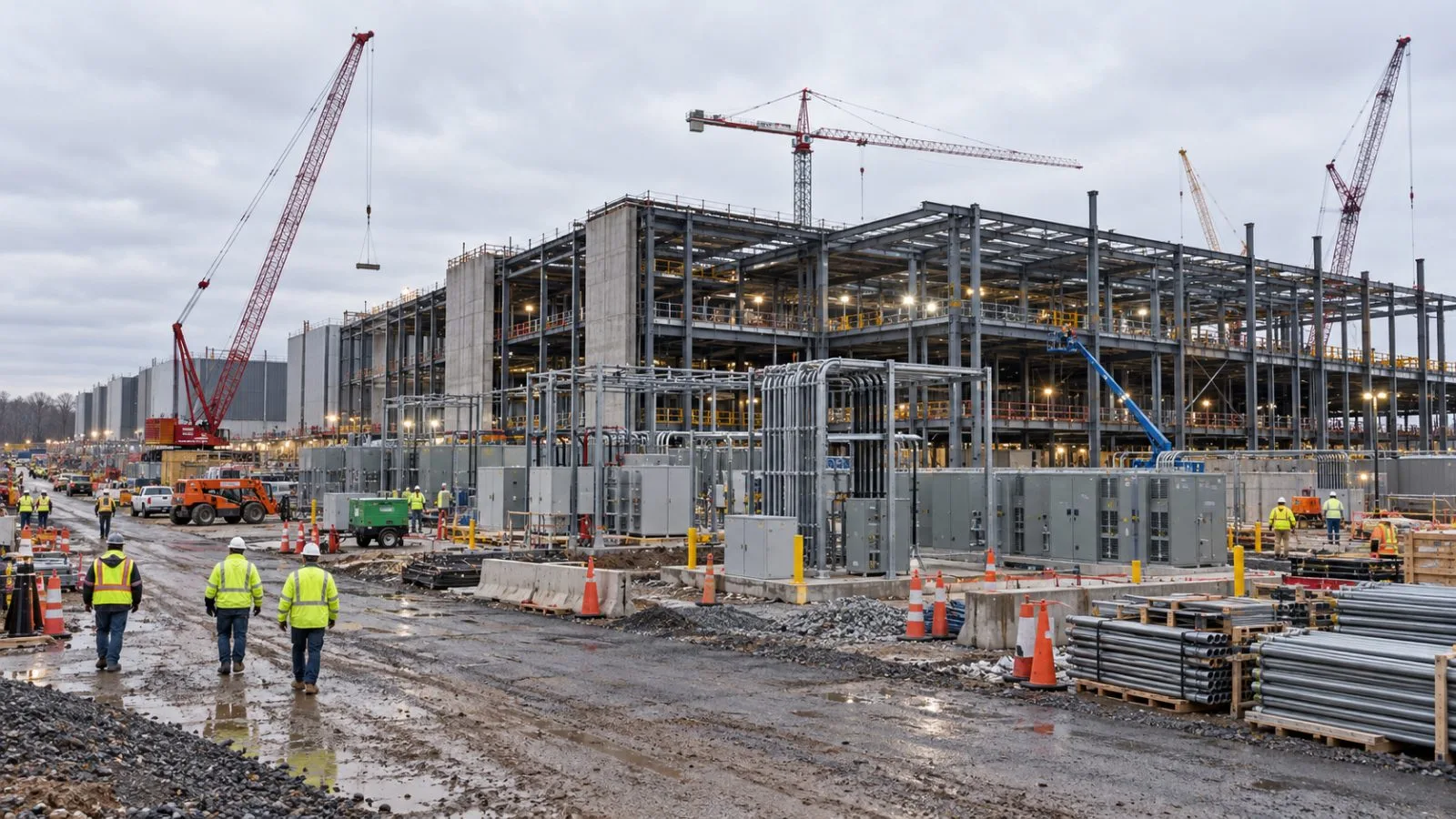
A slowdown in artificial intelligence investment could weaken U.S. growth and eventually support gold if it leads markets to expect lower interest rates, according to an argument attributed to Jefferies equity strategist Christopher Wood.
Business Today reported that Wood made the case in a Nov. 5 client note.
The report says Wood estimated that AI-related capital spending contributed 1.39 percentage points to U.S. real GDP growth over the four quarters through September 2026—about 67% of the reported 2.1% growth. It also cites consensus estimates for $1.04 trillion in combined 2027 capital expenditure by Microsoft, Amazon, Alphabet and Meta. The report does not identify the source of those consensus estimates.
Official data give a different, though not directly comparable, view of growth. The BEA’s advance estimate put third-quarter real GDP growth at a 3.4% annual rate. Investment, consumer spending and government spending contributed to growth, and information-processing equipment led the increase in equipment investment. The release did not identify AI’s share.
Gold’s rate sensitivity is central to Wood’s reported argument. The World Gold Council says lower rates, a weaker dollar and heightened risk aversion can support the metal, though its research also finds that gold has not responded uniformly to Fed rate hikes.
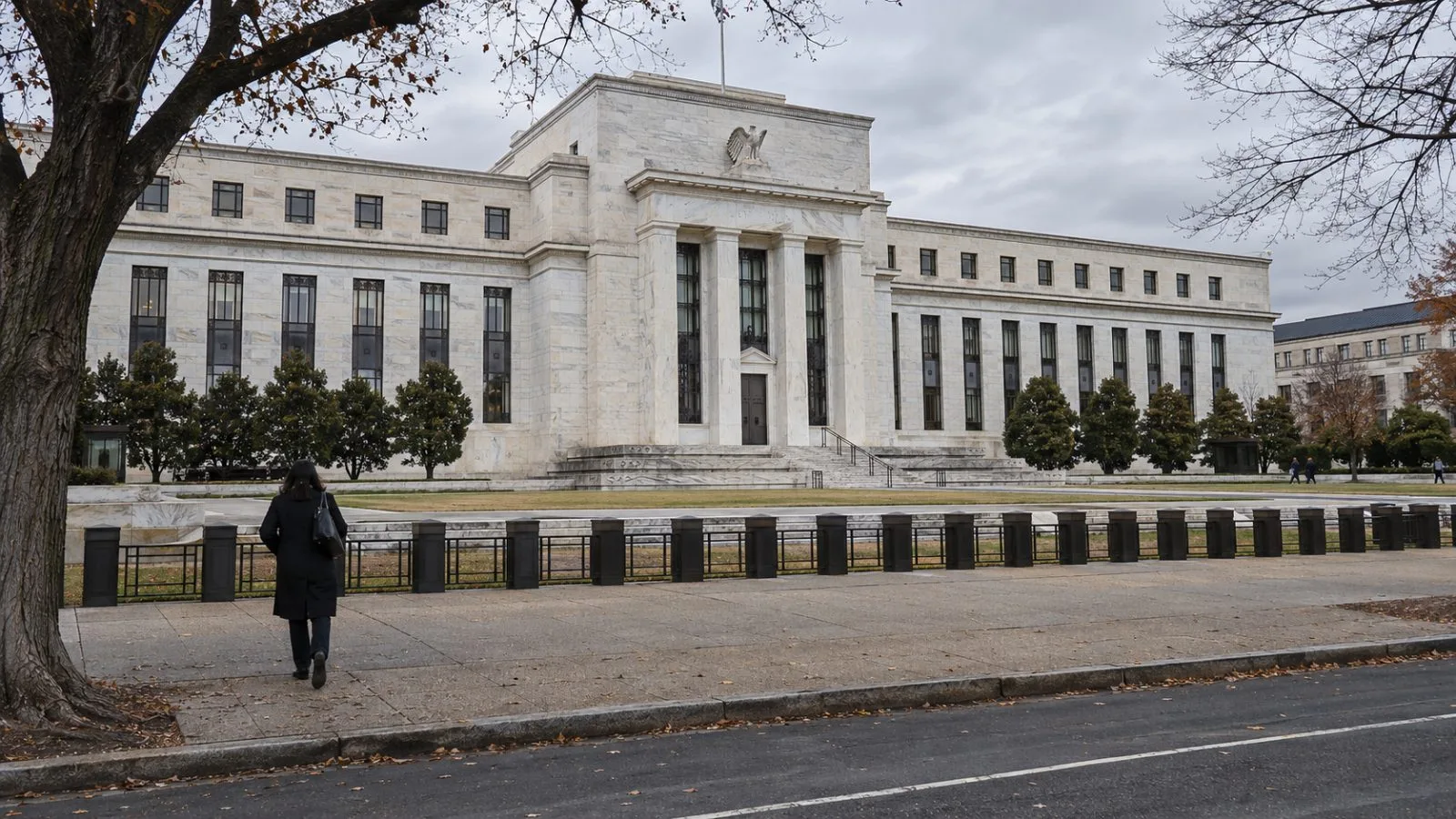
The current policy backdrop remains a hurdle to a near-term shift toward easing. The FOMC kept rates at 3.75%-4.00% on Oct. 28, with two members preferring a quarter-point increase. Its statement said inflation remained elevated.
The next scheduled checks are BEA’s second estimate of third-quarter GDP on Nov. 25 at 8:30 a.m. EST and the FOMC’s Dec. 8-9 meeting.