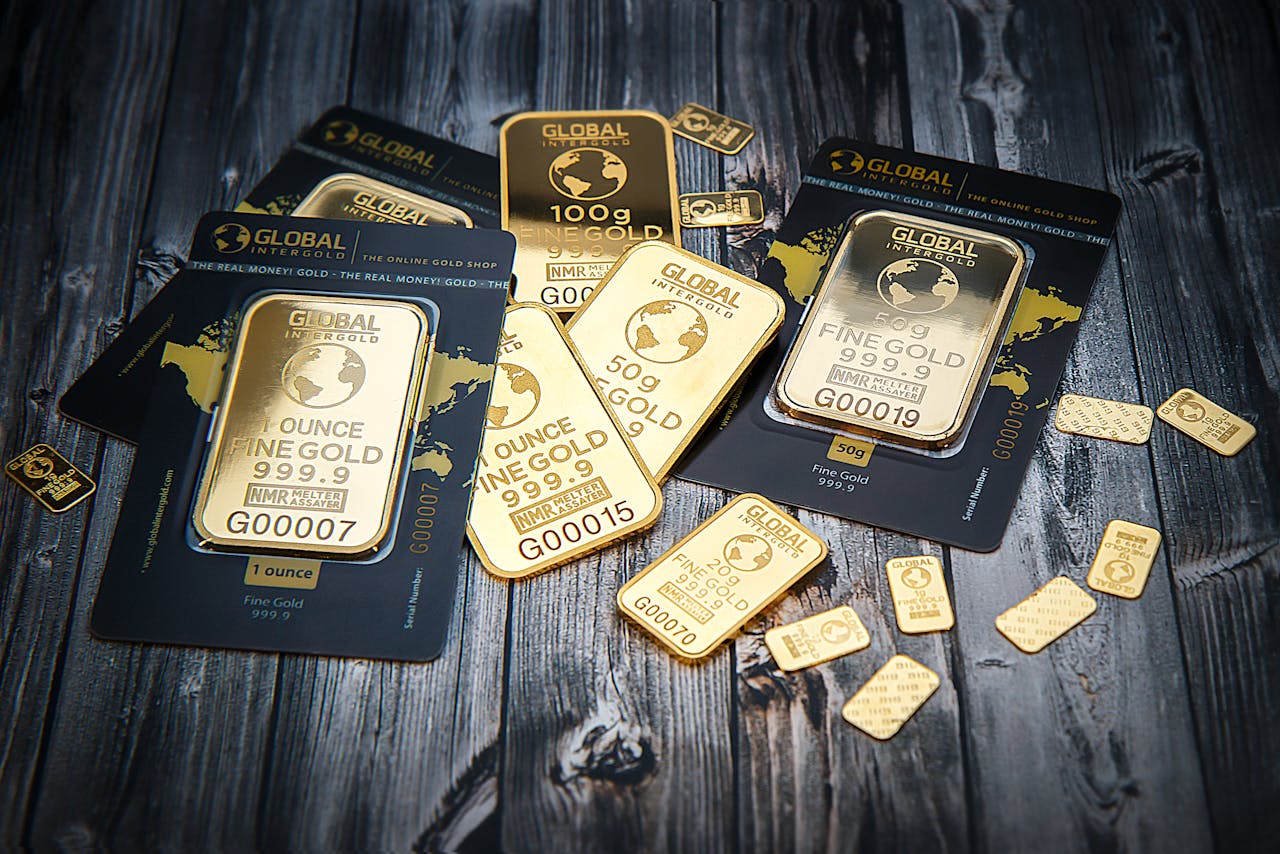
Gold prices rallied sharply on Thursday, with spot gold climbing more than 2% after a weaker-than-expected U.S. jobs report reduced expectations for additional Federal Reserve interest rate hikes. The softer labor market data also pressured the U.S. dollar and Treasury yields, boosting demand for the safe-haven precious metal.
Spot gold rose 2.3% to $4,124.44 per ounce, while gold futures gained 1.4% to $4,137.65 per ounce. The rebound came after gold posted its worst quarterly performance since 2013 earlier this week, weighed down by a stronger dollar, elevated inflation concerns, and expectations that the Fed could tighten monetary policy further.
Investor attention remained focused on a series of U.S. labor market reports released throughout the week. Tuesday's data showed job openings unexpectedly climbed to a two-year high, while Wednesday's reports delivered mixed signals as private-sector hiring slowed despite a decline in planned layoffs.
The biggest market mover came Thursday when the Bureau of Labor Statistics reported that the U.S. economy added just 57,000 nonfarm payrolls in June, well below economists' expectations of 114,000 and down from May's revised gain of 129,000. Hiring remained strongest in professional and business services, healthcare, and social assistance, while employment declined in leisure and hospitality.
Despite the slowdown, the unemployment rate edged down to 4.2% from 4.3%, while the three-month average payroll gain stood at approximately 111,000, suggesting the labor market remains relatively resilient.
The latest employment figures reinforced expectations that the Federal Reserve may keep interest rates unchanged instead of raising them further. Fed Chair Kevin Warsh recently said policymakers are moving away from providing forward guidance while acknowledging that inflation risks have eased in recent weeks.
Cooling inflation has been supported by falling oil prices after the United States and Iran reached an interim peace agreement that eased concerns over disruptions in the Strait of Hormuz. As energy prices retreated, markets scaled back expectations for additional Fed tightening.
Following the jobs report, traders reduced bets on future rate hikes, according to CME FedWatch data. The U.S. dollar weakened while shorter-dated Treasury yields declined, creating favorable conditions for gold.
Gold typically benefits from lower interest rate expectations because it does not generate interest income. A weaker dollar also makes bullion more affordable for international buyers, further supporting demand.
The combination of softer economic data, easing inflation concerns, lower Treasury yields, and a weaker U.S. dollar helped drive gold prices sharply higher, placing the precious metal back in focus as investors continue monitoring upcoming Federal Reserve policy decisions and future U.S. economic data.