Europe’s semiconductor industry faces mounting challenges from Chinese export controls, heavy reliance on U.S. technology, and persistent structural weaknesses, leaving the region with a difficult outlook unless it strengthens its competitive advantages, according to an independent report released on Thursday.
The report, produced by the European Union’s Institute for Security Studies in partnership with French think tank Institut Montaigne, warns that the European chip sector remains exposed to geopolitical tensions and supply chain disruptions. Researchers identified China’s restrictions on exports of critical minerals and magnets, along with the possibility of conflict in the Taiwan Strait, as some of the biggest threats to Europe’s semiconductor supply chain.
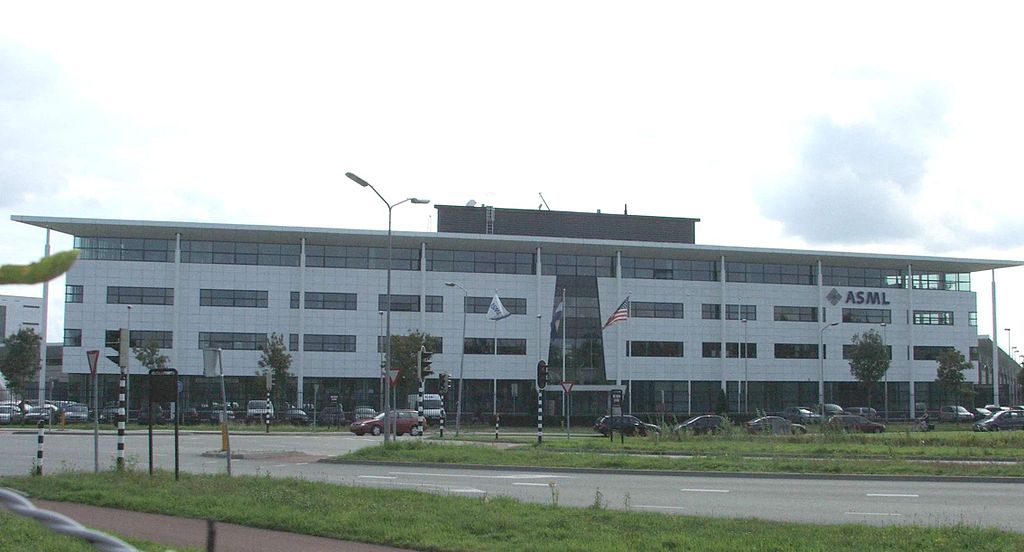
The study also highlights Europe’s dependence on U.S. technology as a growing vulnerability. The region relies heavily on American semiconductor design software and key technologies that support chip manufacturing. In addition, the report notes concerns that the United States could further tighten export restrictions affecting European companies, including Dutch chip equipment giant ASML Holding, one of Europe’s most valuable technology firms.
The warning comes as the U.S. Congress debates legislation that could give Washington broader authority to impose export controls on allied countries and their companies. Such measures could significantly influence the global semiconductor industry and reshape international technology trade.
Joris Teer, co-author of the report and policy analyst at the EU Institute for Security Studies, said Europe’s concerns have shifted beyond Beijing under President Donald Trump’s second administration.
“While Beijing still appears to be the biggest threat, dependence on Washington seems to have become of much greater concern,” Teer told Reuters.
The findings arrive as the European Commission seeks to strengthen the bloc’s semiconductor capabilities through its proposed Chips Act 2.0. Introduced in June, the initiative aims to expand domestic chip production, encourage demand for European-made semiconductors, and reduce the region’s dependence on foreign suppliers. EU lawmakers are now reviewing the proposal.
The European Union has also joined the U.S.-backed “Pax Silica” initiative, which brings together allied nations to secure semiconductor supply chains and coordinate efforts to reduce vulnerabilities linked to geopolitical risks.
Despite these initiatives, the report argues that Europe must capitalize on its existing strengths to remain competitive. One of its biggest advantages is ASML, the global leader in advanced lithography systems used to manufacture cutting-edge semiconductor chips. Researchers believe Europe should leverage companies like ASML to strengthen its position in the global semiconductor ecosystem and improve its bargaining power.
Beyond geopolitical pressures, the report points to several long-term economic challenges holding back Europe’s chip industry. These include persistently high energy costs, limited access to private investment, and the gradual decline of industries that traditionally consume large volumes of semiconductors. Together, these factors have weakened the competitiveness of Europe’s semiconductor sector compared with rivals in the United States and Asia.
The report concludes that while cooperation with allies remains essential for addressing China-related risks, Europe’s long-term success will depend on expanding domestic semiconductor production, supporting innovation, attracting investment, and building a more resilient technology ecosystem capable of competing in an increasingly fragmented global market.