


 CSL Partners With AWS to Bring AI Into Drug Research
  Robinhood Chain Meme Coins Slide as Stock Token Locks Rise
  OpenAI Scraps GPT-6.1 Astra Launch Over Safety Concerns
  Yen Sinks as BOJ Rate Hike Fails to Impress Markets
  BOJ Set to Raise Rates to 1.25% as Inflation Risks Build
  Gold Holds Near Seven-Week Low as Fed Rate Hike Bets Rise
  BOJ Flags Import Costs and Yen Shocks as Persistent Inflation Risks
  HUTCHMED, AstraZeneca Seek FDA Approval for Lung Cancer Combo
  China Industrial Profit Growth Slows as Weak Demand Offsets AI Gains
  RBA Set for September Rate Hike as Inflation Stays High
  TD Cowen Starts SpaceX at Buy, Sees AI Compute Driving Growth
  Grayscale Sees Zcash Gaining Market Share Against Bitcoin
  China Cuts Tariffs on U.S. Farm Goods but Excludes Soybeans
  Fed’s Hammack Says Bond Yield Surge Is Not Driven by Inflation Fears
  Asian Chip Stocks Tumble as OpenAI Safety Pause Sparks AI Growth Concerns


 Add as a preferred source on Google
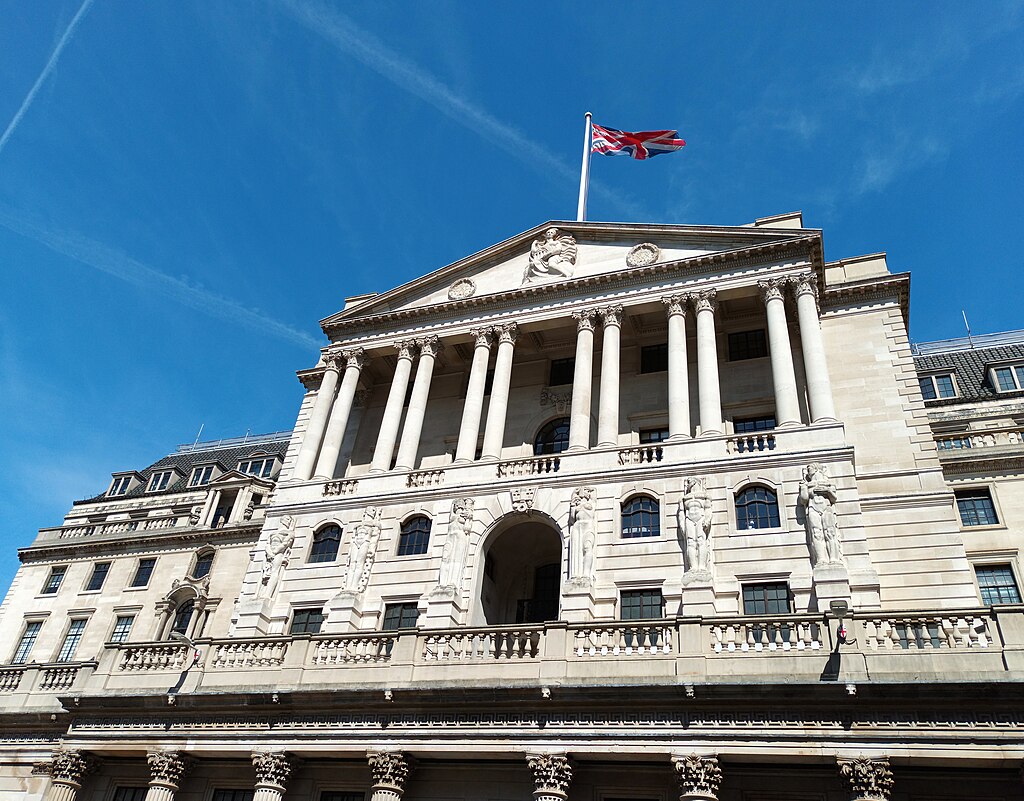
Goldman Sachs has revised its outlook for Bank of England interest rate cuts, now pushing expectations back to 2027 after the central bank held rates steady and flagged growing inflation concerns tied to the ongoing Middle East conflict. The investment bank had previously anticipated the BoE would begin quarterly rate reductions starting in July, but has since shifted to a more cautious stance, projecting a slower path of cuts aimed at reaching a 3% terminal rate.
The Bank of England maintained its Bank Rate at 3.75% and warned that inflation could rise to approximately 3.5% over the coming two quarters. Policymakers emphasized their continued vigilance against the risk of elevated inflation expectations becoming entrenched in the broader economy, a concern that is shaping the BoE's more conservative approach to monetary easing.
Adding to the uncertainty, Goldman Sachs also highlighted a meaningful risk of a near-term rate hike, potentially as soon as April, should global energy prices continue their upward trajectory. The escalating Middle East conflict, compounded by the effective closure of the Strait of Hormuz, has triggered a sharp surge in oil prices — a development sending fresh inflationary shockwaves across Europe and prompting major financial institutions to reassess their monetary policy forecasts.
Goldman Sachs is not alone in adjusting its outlook. Other leading brokerages, including J.P. Morgan and Morgan Stanley, have similarly delayed their expectations for policy easing in response to mounting energy price pressures and heightened geopolitical risk. The situation underscores how global events can rapidly reshape central bank strategy, with inflation control remaining the dominant priority for the BoE as it navigates an increasingly complex and volatile economic landscape heading into the latter half of the decade.







