


 Asian Stocks Fall as Oil Surge, Bond Yields and AI Concerns Hit Markets
  Fed’s Williams Signals One More Rate Hike Before Year-End
  Gold Holds Near Seven-Week Low as Fed Rate Hike Bets Rise
  UK Housebuilder Stocks Surge on New First-Time Buyer Loan Scheme
  ECB May Stop Rate Hikes After December, Capital Economics Says
  BOJ Set for 25-Basis-Point Rate Hike as Yen Weakness Fuels Inflation
  China Industrial Profit Growth Slows as Weak Demand Offsets AI Gains
  Yen Sinks as BOJ Rate Hike Fails to Impress Markets
  Hong Kong Home Prices Stabilize in August After July Decline
  China, US Extend Trade Truce Through January 10 After Trump-Xi Summit
  XRP Price Targets $1.70 as Bullish Momentum Builds
  China Cuts Tariffs on U.S. Farm Goods but Excludes Soybeans
  RBA Hikes Interest Rate to 4.60% as Inflation Risks Rise
  BOJ Flags Import Costs and Yen Shocks as Persistent Inflation Risks
  US Dollar Hits Two-Month High as Aussie, Pound Slide


 Add as a preferred source on Google
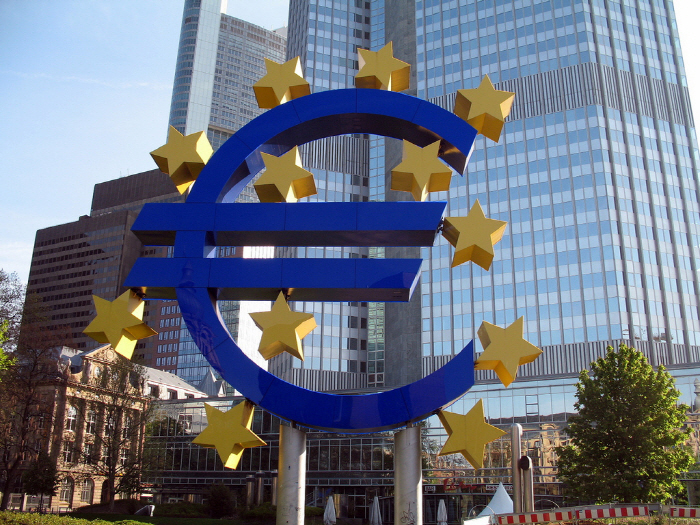
The European Central Bank (ECB) is set to meet next Thursday, and recent geopolitical developments—particularly the Iran war ceasefire—have temporarily reduced pressure for an immediate interest rate hike. However, uncertainty surrounding peace negotiations and continued disruptions in energy flows through the Strait of Hormuz mean that markets are still pricing in potential rate increases later in 2026.
Analysts widely expect the ECB to hold interest rates steady at 2% during this meeting. This marks a significant shift from earlier expectations of a rate hike, which gained traction when oil prices surged close to $120 per barrel. Since then, prices have eased to around $100, helping to calm inflation concerns across the eurozone. Policymakers are likely to adopt a cautious stance, signaling flexibility while monitoring economic data in the coming months.
The ceasefire has improved the short-term inflation outlook, bringing it closer to the ECB’s March projections, where inflation is expected to peak near 3%. Lower natural gas prices have also reduced the risk of a more severe inflation scenario. Still, concerns remain about how quickly oil production and supply chains can stabilize, keeping the ECB alert to potential upside risks.
The economic impact of the conflict is already visible. Rising energy costs have pushed inflation higher, while business activity shows signs of slowing. Germany, Europe’s largest economy, has revised its growth forecasts downward for 2026 and 2027 while raising inflation estimates. Although headline inflation rose to 2.6% in March, underlying measures excluding volatile components like food and energy have softened, suggesting limited spillover into broader price pressures.
Compared to the 2022 energy crisis, this shock appears less severe. The eurozone economy is weaker, labor markets are less tight, and fiscal support is more constrained. Additionally, the euro has remained relatively stable, preventing further inflationary pressure.
Despite near-term caution, traders still anticipate at least two ECB rate hikes later this year, potentially starting in June. Much will depend on energy prices and geopolitical stability. If oil remains below $100, the outlook becomes less certain. Still, modest rate increases could help anchor inflation expectations and prevent secondary effects, reinforcing the ECB’s long-term price stability mandate.







