Corporate profit growth will slow across regions and sectors next year after four years of double-digit gains in the United States, Goldman Sachs chief global equity strategist Peter Oppenheimer said.
Profits remain strong, but slower growth and higher borrowing costs are contributing to a retreat in share prices. Companies entered the earnings season facing high investor expectations.
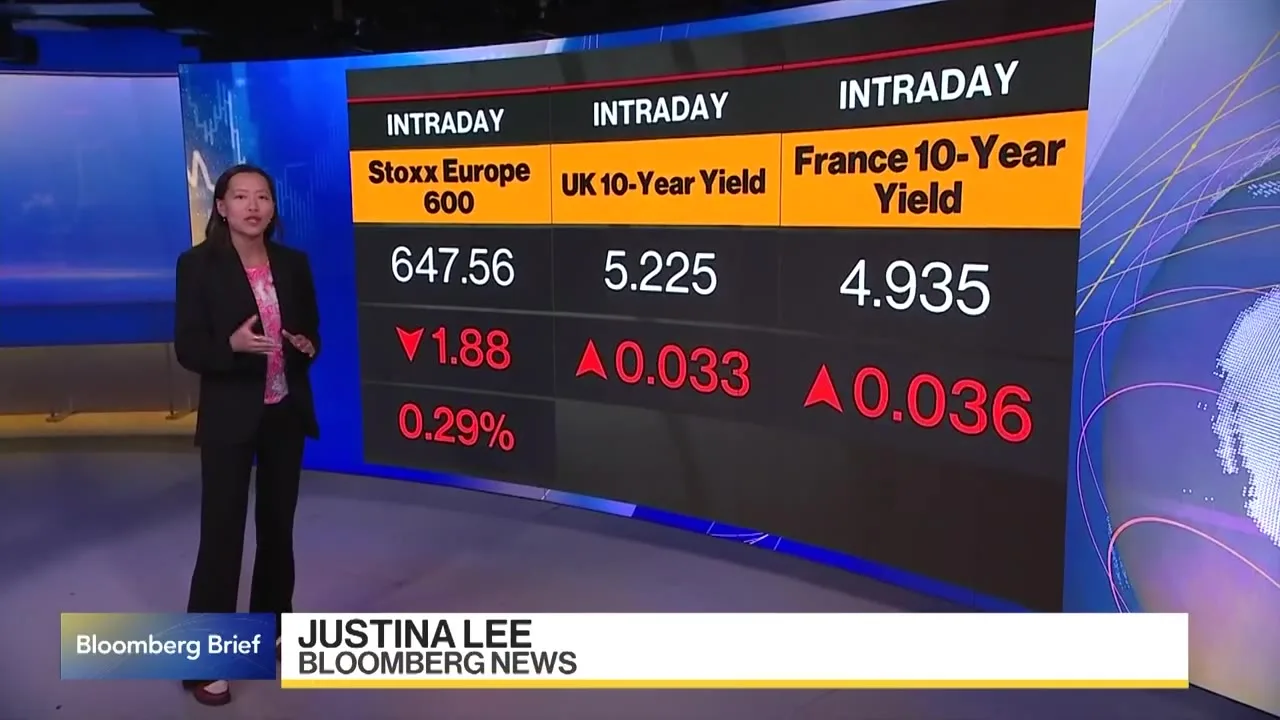
Oppenheimer spoke on Bloomberg Television's Bloomberg Brief, published Nov. 3, ahead of the U.S. midterm election results. Expectations of Democratic gains already figured to some degree in market prices.
Election uncertainty and questions about third-quarter earnings have combined to shift investment away from technology and toward businesses such as health care. The election alone does not explain those moves.
For artificial intelligence investments, the central issue is whether companies can deliver profits and sustain the expansion of their operations. Technology companies remain highly profitable after a period of strong earnings growth.
Some of the largest companies now spend more cash than they generate, although their balance sheets remain strong. Investors are waiting for earnings to justify their expectations.
Spreading investments across countries and different types of companies has helped investors in recent months. Returns have come from a wider range of markets and businesses.
Companies benefiting from spending on equipment and other long-term assets have also performed well. Stocks considered cheap relative to their business performance have regained ground.
Concern about the durability of technology spending has pushed down the sector's valuations, or share prices relative to measures such as earnings. Those prices are beginning to look attractive.
The retreat follows large stock market gains. Slower profit growth, alongside higher interest rates, helps explain the decline without implying that corporate earnings have become weak.
Individual shares have performed very differently, even within the same industry. Broad stock indexes have fluctuated relatively little, and most equity markets remain close to record highs.
That pattern could change, with larger swings in indexes and calmer trading in individual stocks. Election results and earnings could give investors a clearer view of sustainable growth.
Stocks have tended to rally after midterm elections as uncertainty fades. The recent retreat from high levels, alongside strong business performance, could also support a recovery.
“I think that is building up for some degree of recovery,” Oppenheimer said. He gave no numerical target or date for that recovery.
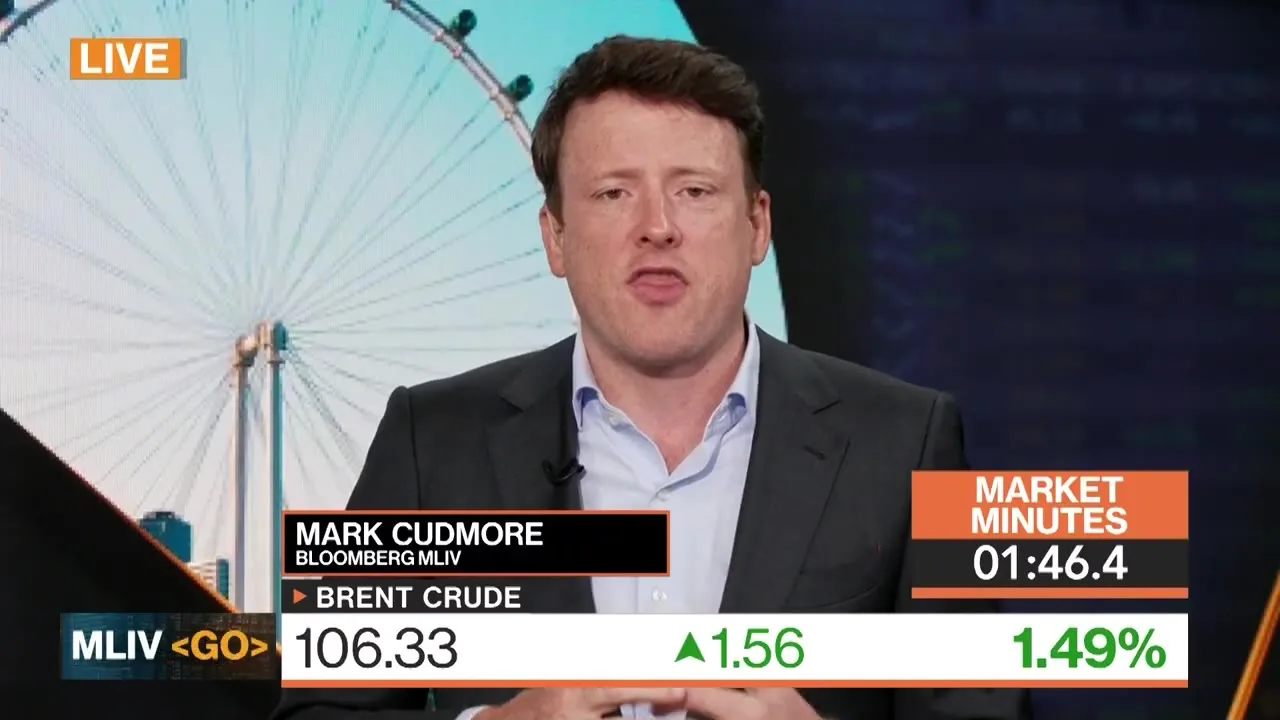
Oil prices, inflation and bond yields could challenge that outlook. Developments in the Middle East remain relevant because of their effect on energy costs.
The bank expects the current period of interest rate increases to be relatively short and modest compared with many previous cycles. Oppenheimer gave no specific endpoint or rate forecast.