


 Meta Launches Muse Wonder AI Models, Shares Rise 3.7%
  OpenAI Annualized Revenue Hits $50 Billion, Below Earlier Estimates
  New York Times, AFP Join Coalition to Protect Content From AI
  Apple Cuts iPhone 18 Pro Production Orders Amid Weak Demand
  Arm Shares Fall Over 3% After Qualcomm Wins License Dispute
  Moonshot AI Executives Seek Settlement Ahead of Hong Kong IPO
  Trezor Cuts Reseller Network After Ledger Security Breach
  Elon Musk Eyes Semiconductor Manufacturing Expansion With $15 Billion Terrafab Project
  Nvidia’s China AI Chip Market Share Falls to 34% as Huawei Gains Ground
  Citi Upgrades Galaxy Digital Stock, Raises Price Target to $28
  OpenAI Revenue Hits $50 Billion, Below Earlier $70 Billion Estimate
  Yandex Data Center Hit by Drone Strike as Russia-Ukraine Cyber Infrastructure Attacks Escalate
  Amazon in Talks to Acquire AI Startup Decart for $7 Billion
  Samsung, SK Hynix Shares Fall as China's CXMT Advances DRAM Technology
  Samsung, SK Hynix Shares Plunge as China Chip Competition Grows
  Nvidia Invests in Four French AI Companies to Expand European Presence


 Add as a preferred source on Google
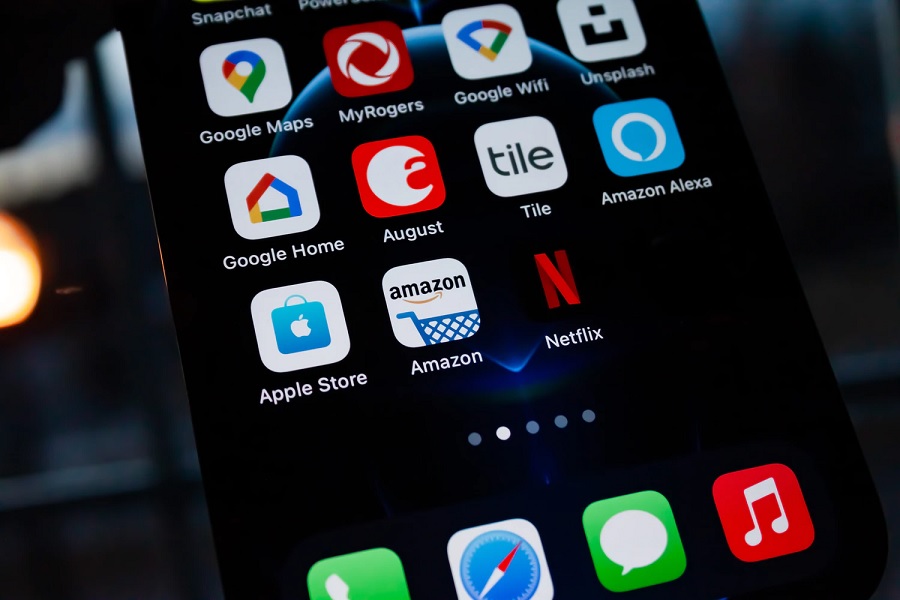
One of the most anticipated changes in the iOS 14 update is centered on Apple's new privacy policy. With the new guidelines, Google confirmed it would no longer use crucial user information for advertising purposes.
Google reveals how it's responding to iOS 14's new privacy feature
In a new blog post, Google announced that its mobile apps available on iOS devices would no longer gather certain user data for ads to adhere to Apple's App Tracking Transparency (ATT) framework. Google mentioned Identity for Advertisers (IDFA) as one of the types of data its apps will no longer collect.
IDFA is a device ID for iOS-powered gadgets that developers can use to identify devices and track user behavior, mainly for personalized ads. App developers who collect this type of data are required, under Apple's ATT, to ask users' permission first before continuing this activity.
Part of the iOS 14 update is a new prompt that informs users if an app will "track [their] activity across other companies' apps and websites." Choices include "Ask App not to Track" and "Allow." Since Google will no longer use IDFA, its iOS apps will not be required to show this prompt.
"We've always put users and their privacy first," Google added. "Transparency, choice and control form the bedrock of our commitment to users, and advertising is no different. The iOS 14 update also requires developers to list all the kinds of data used to track users, including the ones linked back to their identities.
iOS 14's new policy will not completely stop apps from getting ad revenues
Facebook, which saw a 22% increase in ad revenue after earning more than $21 billion in Q3 2020, launched a campaign attacking Apple's iOS 14 privacy features last December. The social media company released a full-page newspaper ad saying "more than 10 million small businesses" will be affected by Apple's new policy.
We believe users should have the choice over the data that is being collected about them and how it’s used. Facebook can continue to track users across apps and websites as before, App Tracking Transparency in iOS 14 will just require that they ask for your permission first. pic.twitter.com/UnnAONZ61I
— Tim Cook (@tim_cook) December 17, 2020
Apple responded by clarifying it will not force Facebook to change how it tracks users for ads but emphasized that iOS 14 is merely giving users a choice. Apple CEO Tim Cook said something similar on his Twitter page a few days after Facebook's newspaper ad. "Facebook can continue to track users across apps and websites as before ... iOS 14 will just require that they ask for your permission first," he wrote.







