


 Trump Buys Up to $25M in Meta Stock, Invests in SpaceX Debt
  Apple Names Steve Smith M&A Chief in Leadership Shakeup
  Elon Musk Eyes Semiconductor Manufacturing Expansion With $15 Billion Terrafab Project
  Samsung, SK Hynix Shares Plunge as China Chip Competition Grows
  Apple Cuts iPhone 18 Pro Production Orders Amid Weak Demand
  Robinhood Chain Eyes Priority Gas Auctions for Faster Trades
  Zcash Plans Quantum-Resistant Security Upgrade for January
  Yandex Data Center Hit by Drone Strike as Russia-Ukraine Cyber Infrastructure Attacks Escalate
  Amazon in Talks to Acquire AI Startup Decart for $7 Billion
  Arthur Hayes Announces FLOP Testnet Launch Within Weeks
  Moonshot AI Executives Seek Settlement Ahead of Hong Kong IPO
  TSMC Q3 Revenue Beats Estimates as AI Chip Demand Surges
  Oracle Uses Trucked Natural Gas to Power AI Data Centers Amid Pipeline Delays
  Apple Supplier Luxshare Sees Limited Impact From US Patent Probe
  Samsung, SK Hynix Shares Fall as China's CXMT Advances DRAM Technology
  Nvidia’s China AI Chip Market Share Falls to 34% as Huawei Gains Ground


 Add as a preferred source on Google
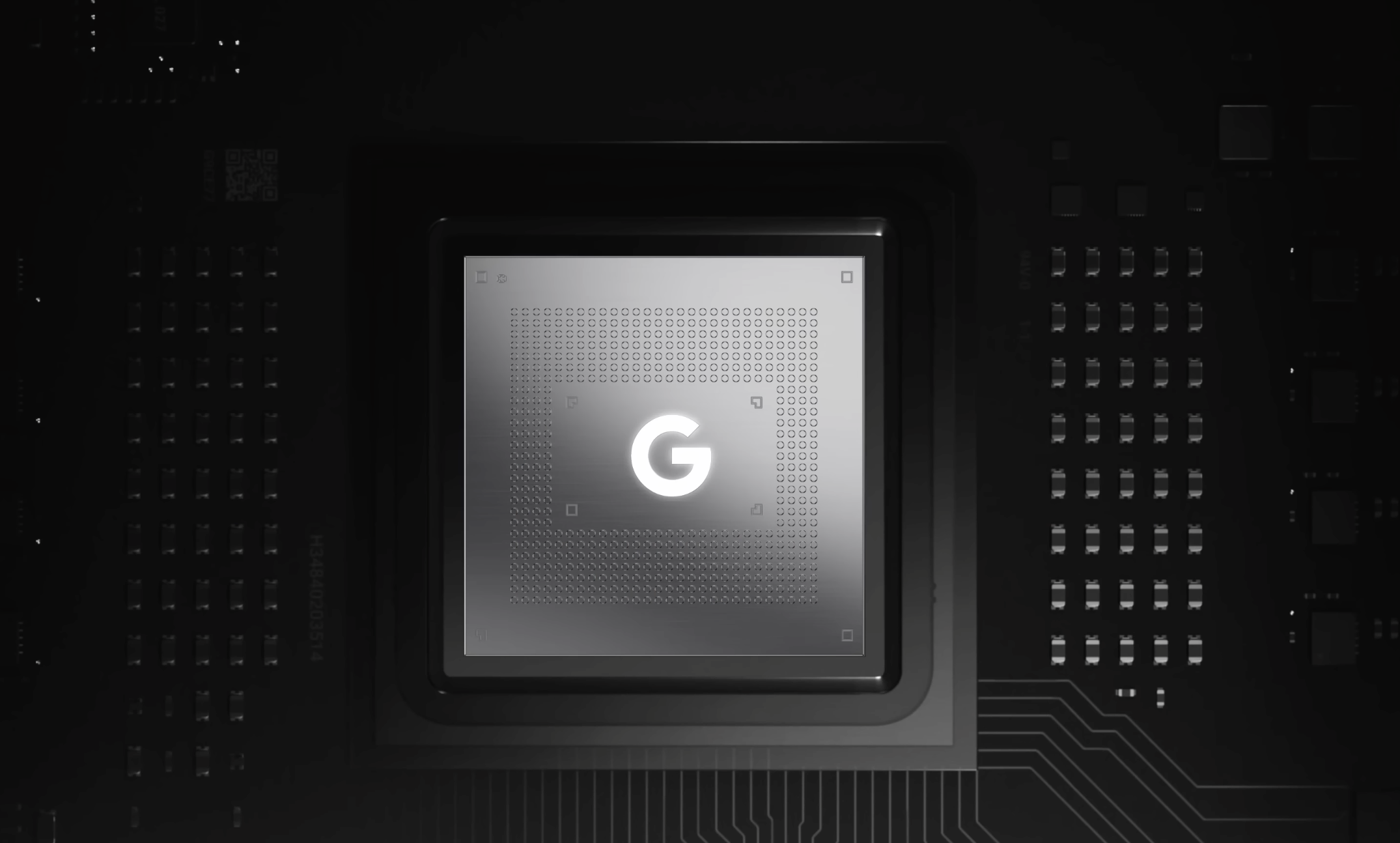
Google's earlier Tensor chipsets, which power the company's Pixel smartphone lineup and, more recently, a tablet, are in some way based on Samsung's past Exynos SoC introductions.
The Tensor G3's unique 9-core CPU cluster was most likely based on the Korean giant's unannounced Exynos 2300. Thus, it's very reasonable to think that the next Tensor G4 will share some similarities with the Exynos 2400.
Unfortunately, the disparity in specifications does not give us trust in this allegation, despite the fact that one tipster thinks it.
Google's Tensor G4 Is Based On Exynos 2400, A Tipster Claimed
For those who don't know, Samsung's Exynos 2400 has a 10-core CPU cluster. However, a Geekbench 5 leak revealed that the Tensor G4 has an 8-core CPU portion, with one fewer core than the Tensor G3.
Regardless, @OreXda believes that Google's next SoC for the Pixel 9 and Pixel 9 Pro is based on the Exynos 2400 and shares a few characteristics but most likely overlooked the variances between the two silicons.
Even the GPUs of the Tensor G4 and Exynos 2400 are vastly different, with the latter sporting an Xclipse 940 graphics processor based on AMD's RDNA3 architecture. In contrast, the Tensor is seen to house ARM's Immortalis-G715, which stays unmodified from the Tensor G3.
Tipster Corrects Tensor G4 Specs: Insights on Google's Semi-Custom Approach with ARM Designs
Fortunately, the tipster recognized the inaccuracy in his assertions and remarked on the thread that the Tensor G4 might be a semi-custom SoC, with Google leveraging ARM's current CPU and GPU designs, as per WCCFTech.
@OreXda may have meant that the Tensor G4 is based on the Exynos 2400 because it uses several fabrication and packaging technologies that Samsung announced this year.
This features the more efficient 4LPP+ process and “Fan-out Wafer Level Packaging” (FOWLP), which reduces heat resistance. This allows smartphone silicon to sustain temperatures while achieving excellent multi-core scores. We also previously stated that the Tensor G4 would be a small update to its predecessor.







