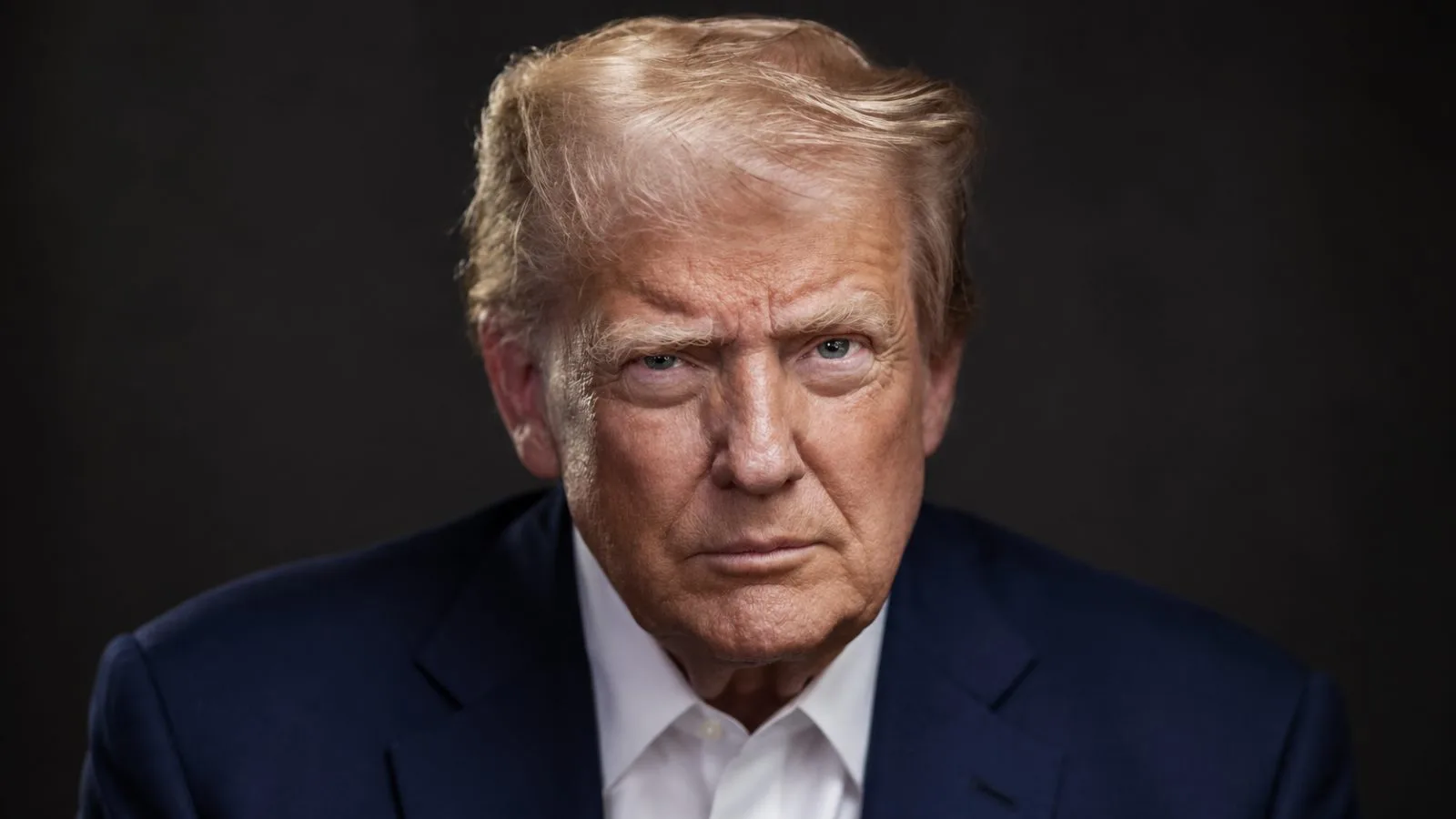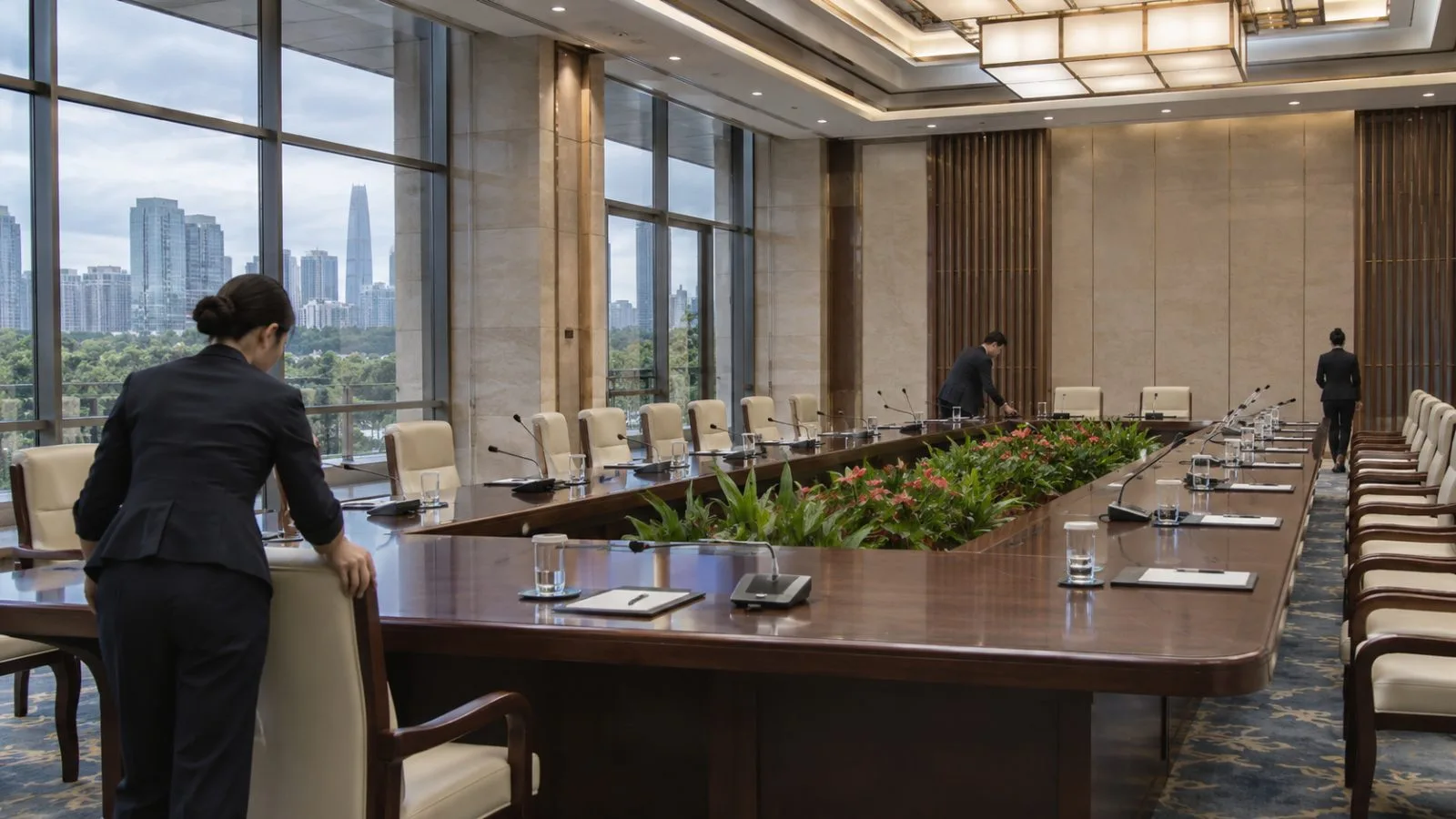
A Shenzhen meeting among U.S. President Donald Trump, Chinese President Xi Jinping and Russian President Vladimir Putin appeared to ease diplomatic tensions temporarily, but it produced no new agreement on tariffs, rare earths or advanced technology.
The Nov. 19 summit issued a joint declaration covering United Nations reform, refined petroleum supplies, International Criminal Court jurisdiction and nuclear-risk dialogue. It did not include bilateral trade or market-access measures. The declaration stated that “a nuclear war cannot be won and must never be fought.”
France 24 reported that the three-way meeting lasted 90 minutes. Xi said, according to China’s Foreign Ministry, “Peace among major countries brings stability to the world, while their contention would only lead to chaos in the world.”
The talks took place while Washington and Beijing operate under an extended Kuala Lumpur economic and trade arrangement scheduled to run through Jan. 10, 2027. China’s Commerce Ministry said the framework covers reciprocal tariff reductions affecting about $30 billion of imports on each side, subject to domestic procedures, with negotiations continuing. EconoTimes previously reported the summit’s scheduled date.
Technology restrictions remain a separate source of friction. On Nov. 16, the U.S. Bureau of Industry and Security (BIS) issued an interim final rule addressing remote access to advanced U.S. computing technology through overseas data centers. The Federal Register notice requires licenses for specified advanced-computing exports to or within Indonesia, Malaysia, Singapore, Brazil and Thailand, and limits large-scale data-center access for companies headquartered in China and other Country Group D:5 destinations.
China extended the suspension of some rare-earth export controls through Jan. 10, while controls on seven other heavy rare earths remain in force. S&P Global reported that China accounted for 91% of global rare-earth refining capacity in 2024, underscoring Beijing’s position in a supply chain important to U.S. manufacturers.
Jean-François Di Meglio of the Asia Centre told France 24 that the governments showed “both a willingness to decouple” and recognition that the process must be managed over time. France 24 also reported that Democrats won both chambers of Congress in November’s midterm elections, which it said could increase pressure on Trump’s foreign-policy agenda.
The Kuala Lumpur arrangement remains scheduled to run until Jan. 10, 2027, giving negotiators a stated deadline while tariff, mineral and technology disputes remain unresolved.