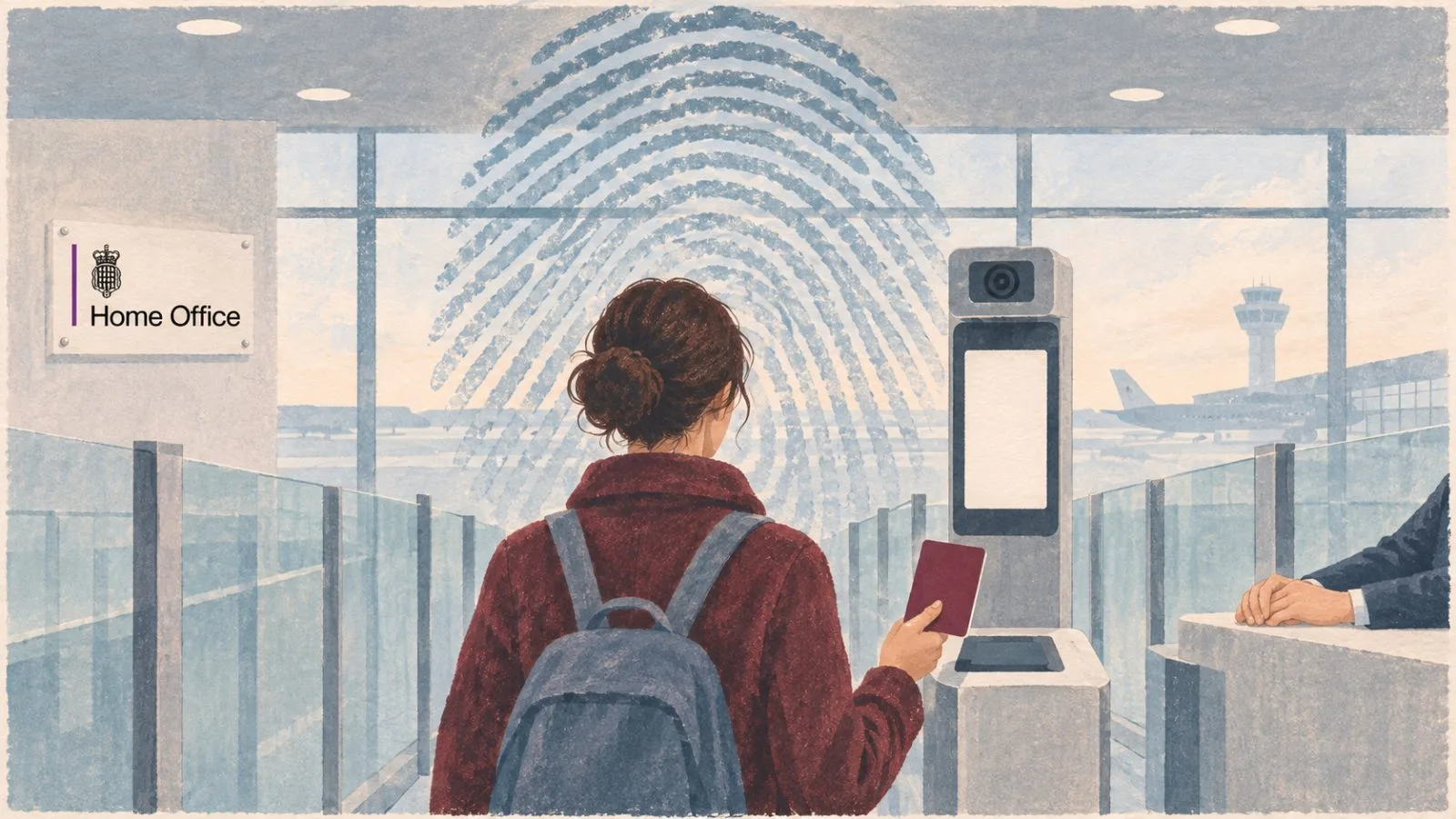
The Guardian reported Wednesday, Nov. 4, that the United Nations High Commissioner for Refugees (UNHCR) criticized a UK settlement plan that could leave some refugees waiting up to 30 years for permanent residence.
The Home Office announced its framework Nov. 2. Approved-route refugees would have a five-year path to settlement. Other refugees start at 20 years; small-boat or other clandestine arrival raises that period to 30 years. In UK immigration terms, settlement means indefinite leave to remain, granting permanent residence without immigration restrictions.
Home Secretary Shabana Mahmood said work or study could cut 10 years from one refugee’s wait; her parliamentary example involved someone who had not arrived by small boat. A House of Lords statement outlined a 10-year work-or-study reduction for other refugees and a 10-year small-boat addition, but did not say whether both rules could apply to the same person.
UNHCR told The Guardian the timetable “raises significant concerns,” the newspaper reported Wednesday. It also reported that the agency welcomed legal routes while warning that longer waits and temporary status could harm refugees’ security and integration.
Mahmood said the government wants to encourage safe, legal routes and discourage dangerous crossings. The Home Office cites Denmark as a precedent, saying the country made refugee status temporary in 2015 and set an eight-year settlement wait subject to integration and employment requirements.
For adults who claimed asylum from March 2, 2026, any protection granted will be temporary, according to the Home Office. Reviews are set for every 30 months, and leave may be renewed if protection is still needed.
The Home Office says it considered more than 200,000 responses to its consultation. Detailed rules and operating arrangements, technical guidance and a full impact assessment remain pending. EconoTimes previously reported on a UK proposal for a 10-year migrant settlement standard.
The first Immigration Rules revisions are scheduled to take effect in January 2027 after rollout begins in December, ministers told the House of Lords. Further changes are planned for 2027 and 2028.