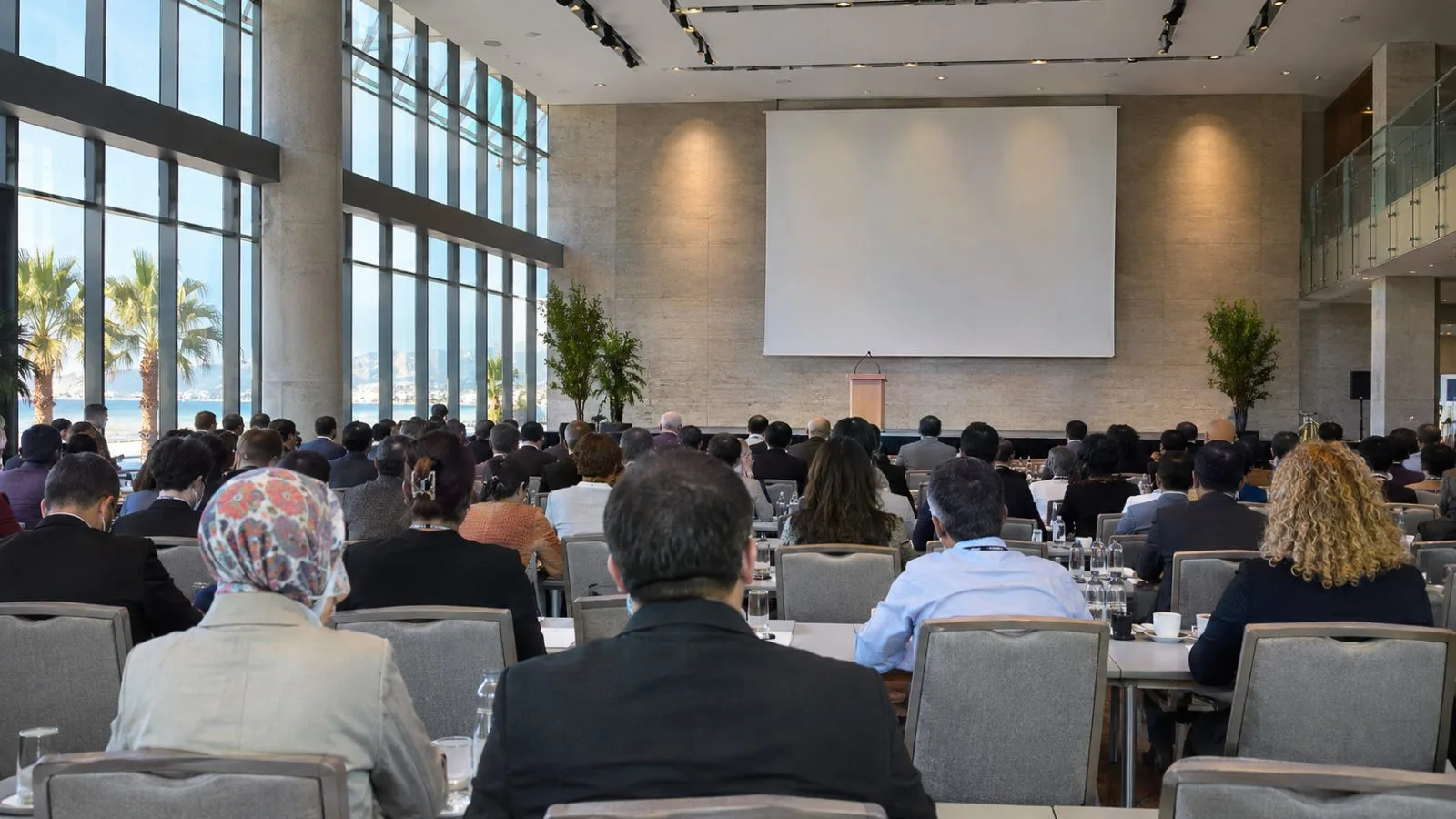
At a Nov. 13 news conference in Antalya, UN Secretary-General António Guterres said governments should cut annual emissions by about 6% over the next few years because a temporary overshoot of the 1.5C warming threshold can no longer be avoided.
Guterres said the goal is to make the overshoot as small and brief as possible, then bring temperatures back below 1.5C quickly. He has also said existing national plans, including conditional commitments, would deliver no more than one-third of the emissions reduction pace he considers necessary.
The United Nations Environment Programme (UNEP) calculated that a pathway with the smallest temperature overshoot requires greenhouse gas emissions to fall 18% by 2030 and 45% by 2035, measured against 2025 levels. The 2035 target implies an average annual decline of 5.7% over the decade, as EconoTimes previously reported in its coverage of the assessment.
Guterres framed the target as an economic issue as well as a climate one. He said fossil fuels drive the climate crisis and that fossil-fuel interests profit while climate disasters harm lives and economies. Dependence on fossil fuels also leaves countries exposed to price shocks, he said.
He called for more adaptation and loss-and-damage support for developing countries, particularly the most vulnerable. Guterres also referred to the Paris pledge, made 11 years ago, to limit global temperature rise to 1.5C.
At COP31, Guterres has urged governments to carry out existing emissions and climate-finance commitments and accelerate the shift to renewable energy, while recognizing that countries have different responsibilities. He said negotiations remain essential and singled out major emitters among the member states whose action is needed.