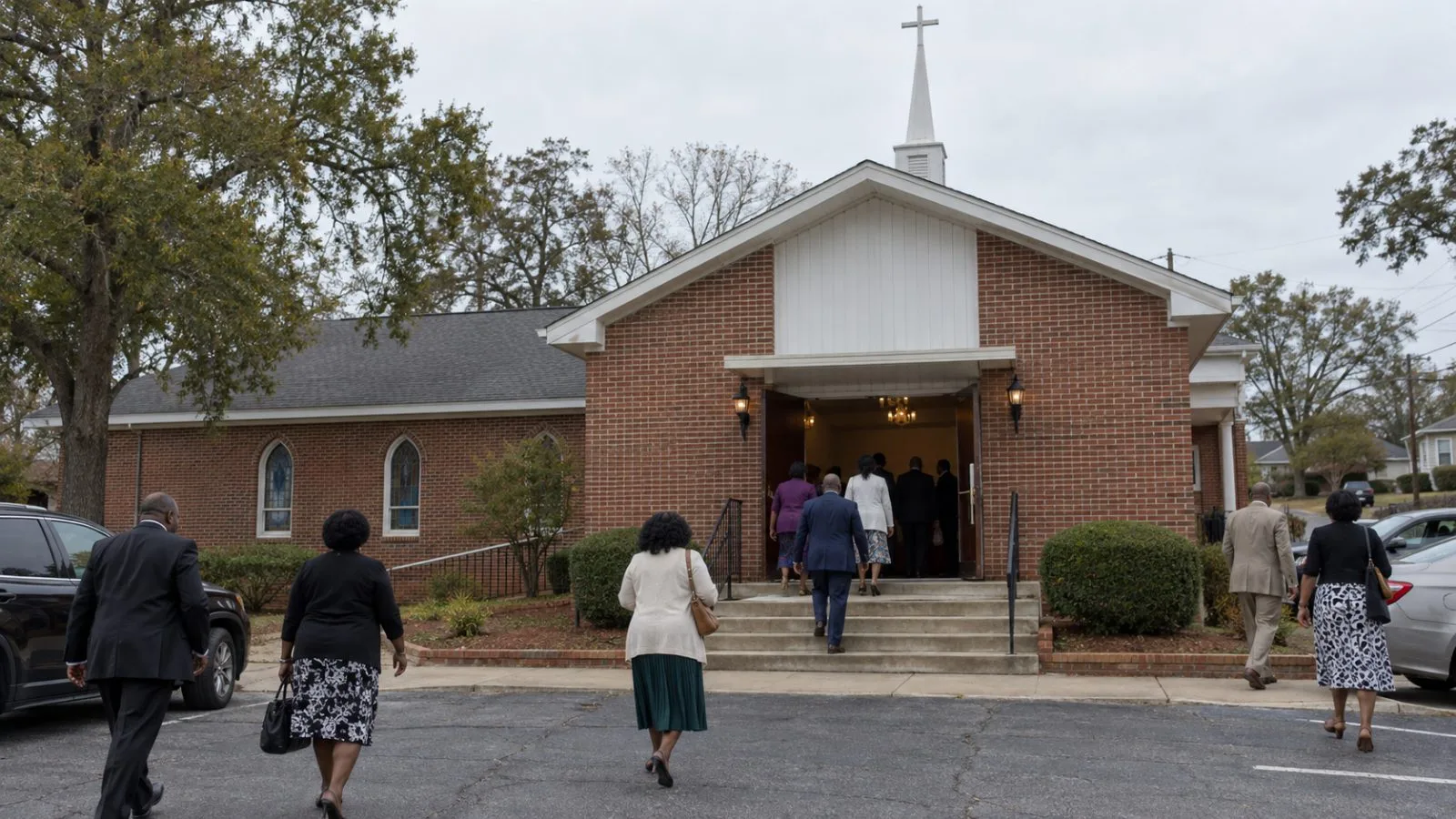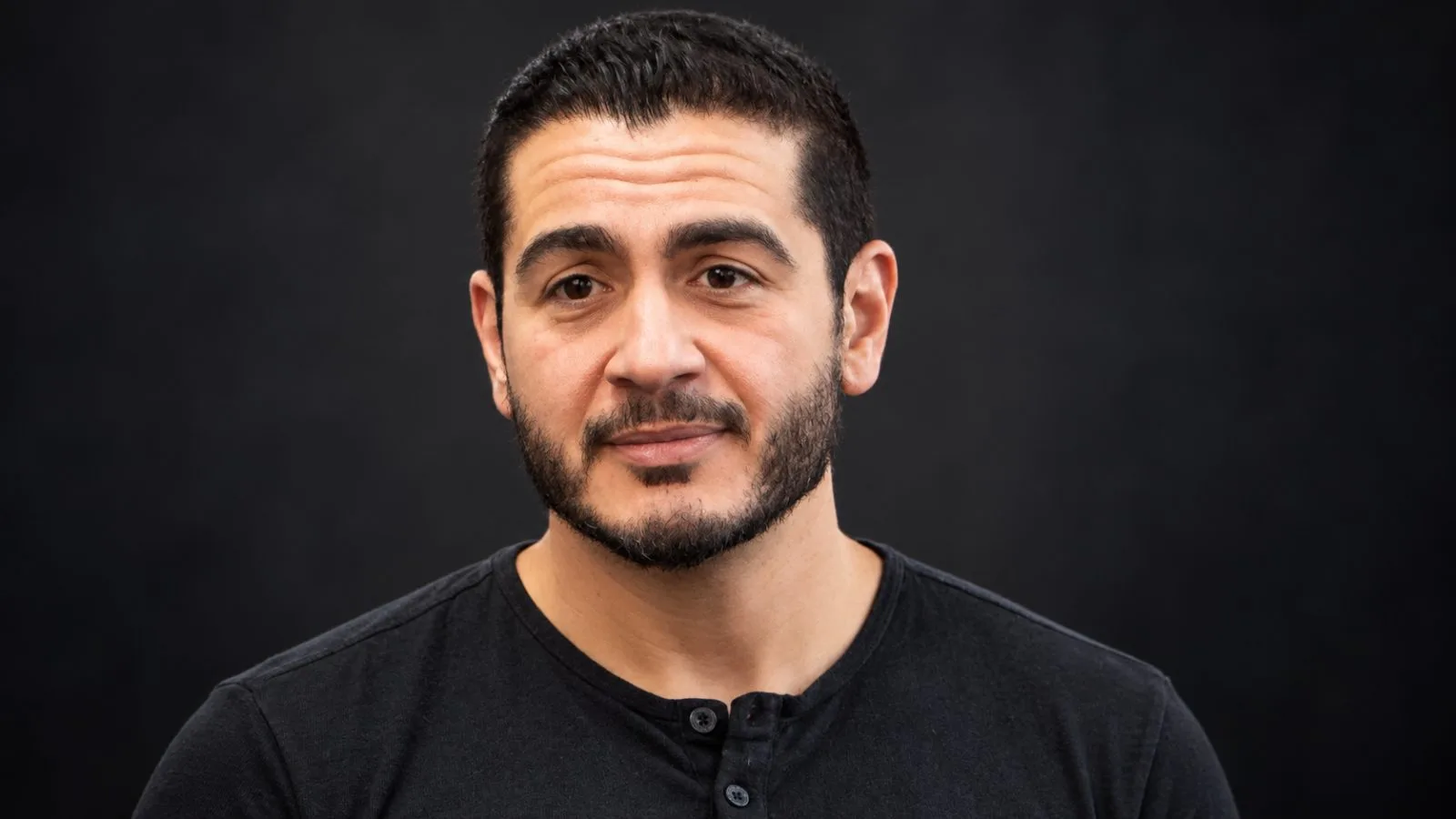
Health care is a prominent issue in the U.S. midterm campaign, with 68% of registered voters saying it is very important as physician candidates seek seats in Congress.
A Pew Research Center survey conducted Sept. 28-Oct. 4 ranked health care third among voters’ priorities, after the economy at 84% and the future of democracy at 73%. The figure was 82% among voters supporting Democratic congressional candidates and 53% among those backing Republicans. The results do not establish whether a candidate’s medical background affects voters’ choices.
The American College of Gastroenterology said the current 119th Congress includes 20 physicians: 16 House members and four senators. It listed seven physician candidates who could join the next Congress: Democrats Amish Shah, Richard Pan, Abdul El-Sayed, Adam Hamawy and Annie Andrews, and Republicans John Cowan and Ralph Alvarado. Two current physician members are leaving in January. If all seven candidates on the list win, physicians could hold 25 seats in the 120th Congress; that is a possible total, not 25 new members.
Al Jazeera reported, based on interviews with experts and advocacy groups, that Democratic physician candidates are trying to turn opposition to Trump administration health policies into votes. The Pew survey does not show whether those policies prompted doctors to run.
The two Democratic candidates’ proposals differ. El-Sayed’s campaign supports Medicare for All. Andrews’ plan focuses on reducing coverage costs, maintaining care at rural hospitals, reversing Medicaid reductions and making medicines more affordable. In an Oct. 28 interview with WIS, Andrews said, “I’ve been taking care of South Carolina’s sick and injured children as a pediatrician for about 15 years.”
The Congressional Budget Office (CBO) projected that the 2025 reconciliation law would reduce Medicaid outlays by $1.2 trillion over 2026-2035 and lower enrollment by 13.1 million in 2035. In a separate estimate, the CBO projected that the law’s Medicaid chapter would leave 7.5 million more people without health insurance in 2034. These are projections, not reported outcomes. Voters will choose the next Congress on Tuesday, Nov. 3, 2026, according to the Federal Election Commission.