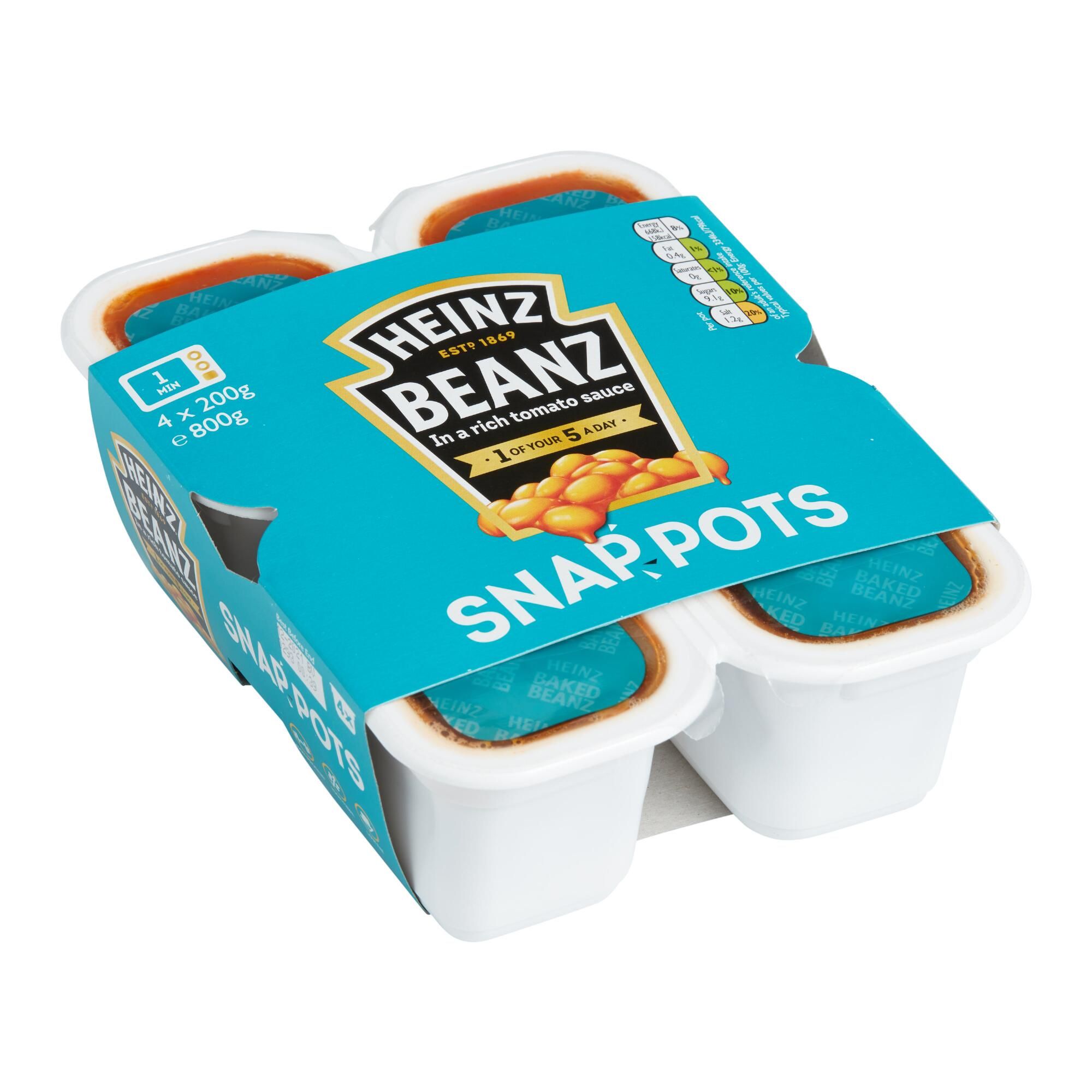
Heinz and UK supermarket Tesco are collaborating with packaging industry experts Plastic Energy, Sabic, and Berry Globa to develop and trial recycled soft plastic for Heinz Beanz Snap Pots.
Heinz Beanz Snap Pots are made from 39 percent soft recycled plastic collected from Tesco customers. Packaging convenience, snappable format, microwaveability, and food freshness are all retained.
The ISCC, a global sustainability certification system, has certified the recycled plastic used in the snappable pots.
They hope that their efforts will prompt an industry-wide look at what more can be done to address the lack of soft plastics being recycled in the UK and get better when it comes to developing new packaging solutions that are good for both their customers and the environment, according to Jojo de Noronha, president of Northern Europe at Heinz.



PDG Explores $1 Billion Sale of China Data Center Assets
Wall Street Climbs as Micron Leads Chip Stock Rally Amid Iran Peace Hopes
Morgan Stanley Names Top AI Security and Data Center Stocks for 2026
As the Black Summer megafires neared, people rallied to save wildlife and domestic animals. But it came at a real cost
How to create a thriving forest, not box-checking ‘tree cover’
Oil Prices Slip as U.S.-Iran Talks Continue Amid Ceasefire Tensions
The Beauty Beneath the Expressway: A Journey from Self to Service
Yen Stays Near Intervention Zone as Iran Conflict Supports U.S. Dollar
Wildfires ignite infection risks, by weakening the body’s immune defences and spreading bugs in smoke
Lake beds are rich environmental records — studying them reveals much about a place’s history
The pandemic is still disrupting young people’s careers
How ongoing deforestation is rooted in colonialism and its management practices
Columbia Student Mahmoud Khalil Fights Arrest as Deportation Case Moves to New Jersey
Salesforce Q1 FY2027 Earnings Beat Expectations Despite Soft Q2 Revenue Outlook
How is Antarctica melting, exactly? Crucial details are beginning to come into focus
Thousands of satellites are due to burn up in the atmosphere every year – damaging the ozone layer and changing the climate
U.S. Sanctions Iran’s Strait of Hormuz Authority as Global Oil Markets Face Turmoil 


