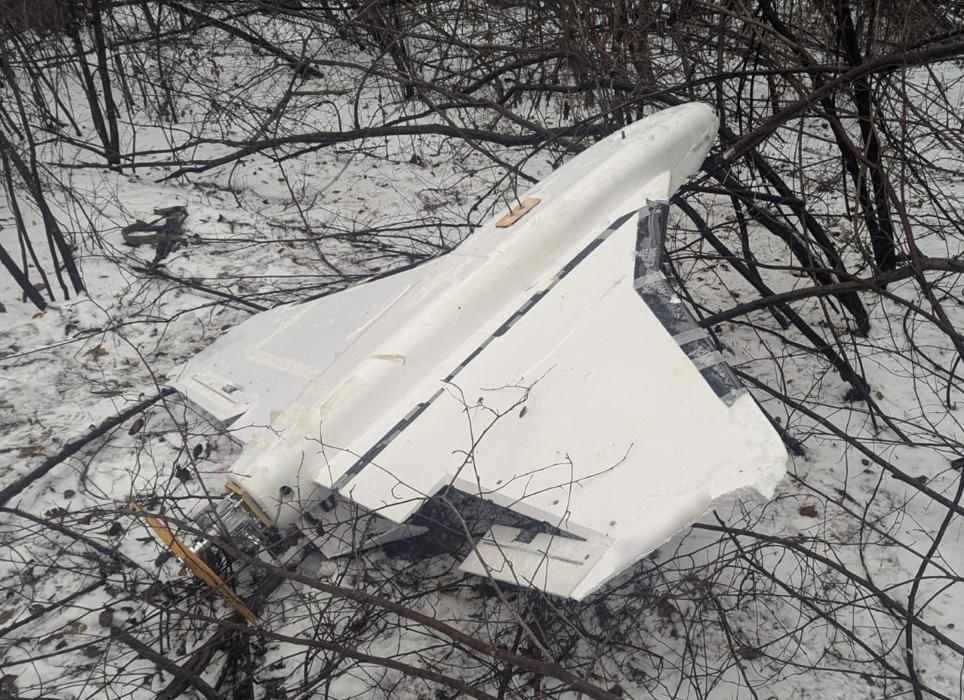
Recent Ukrainian drone incursions into Baltic airspace have increased regional tensions and raised new concerns about NATO security near Russia’s borders. The incidents come as Ukraine intensifies long-range drone attacks against Russian energy infrastructure, particularly Baltic ports responsible for a significant share of Russia’s oil and gas exports.
Lithuania, Latvia, and Estonia confirmed that several drones entering their airspace were Ukrainian, but officials argue that Russian electronic warfare systems likely disrupted the drones’ navigation. Russia and Ukraine continue to rely heavily on jamming and spoofing technology to interfere with enemy aircraft and missile systems during the ongoing conflict.
The Baltic nations, all strong supporters of Ukraine and NATO members, rejected Russian claims that they are assisting Kyiv in launching attacks from their territory. Estonian Foreign Minister Margus Tsahkna accused Moscow of attempting to divide Western allies and pressure Ukraine into halting its drone operations.
Security concerns have grown after a NATO fighter jet intercepted and destroyed a suspected Ukrainian drone in Estonian airspace on May 19. Lithuanian lawmakers also briefly took shelter after another drone approached Vilnius. Officials warned that even unintended drone incidents could threaten civilian safety and expose weaknesses in regional air defense systems.
Lithuanian defense authorities stated that the growing sophistication of Ukrainian drone warfare has increased risks along NATO’s eastern border. Some drones reportedly crossed into Baltic territory undetected, fueling criticism over insufficient air defense preparedness. In Latvia, political pressure intensified after the prime minister blamed defense failures for inadequate protection measures.
Ukraine denied allegations that it intentionally uses Baltic airspace as a shield against Russian retaliation. Ukrainian officials instead accused Russia of deliberately redirecting drones toward neighboring NATO countries through electronic interference.
Analysts warn that continued drone incidents could trigger dangerous misunderstandings between NATO and Russia. Despite heightened rhetoric from Moscow, Baltic officials maintain that Russia’s statements are mainly intended to intimidate Western allies while masking difficulties in countering Ukraine’s expanding drone capabilities.