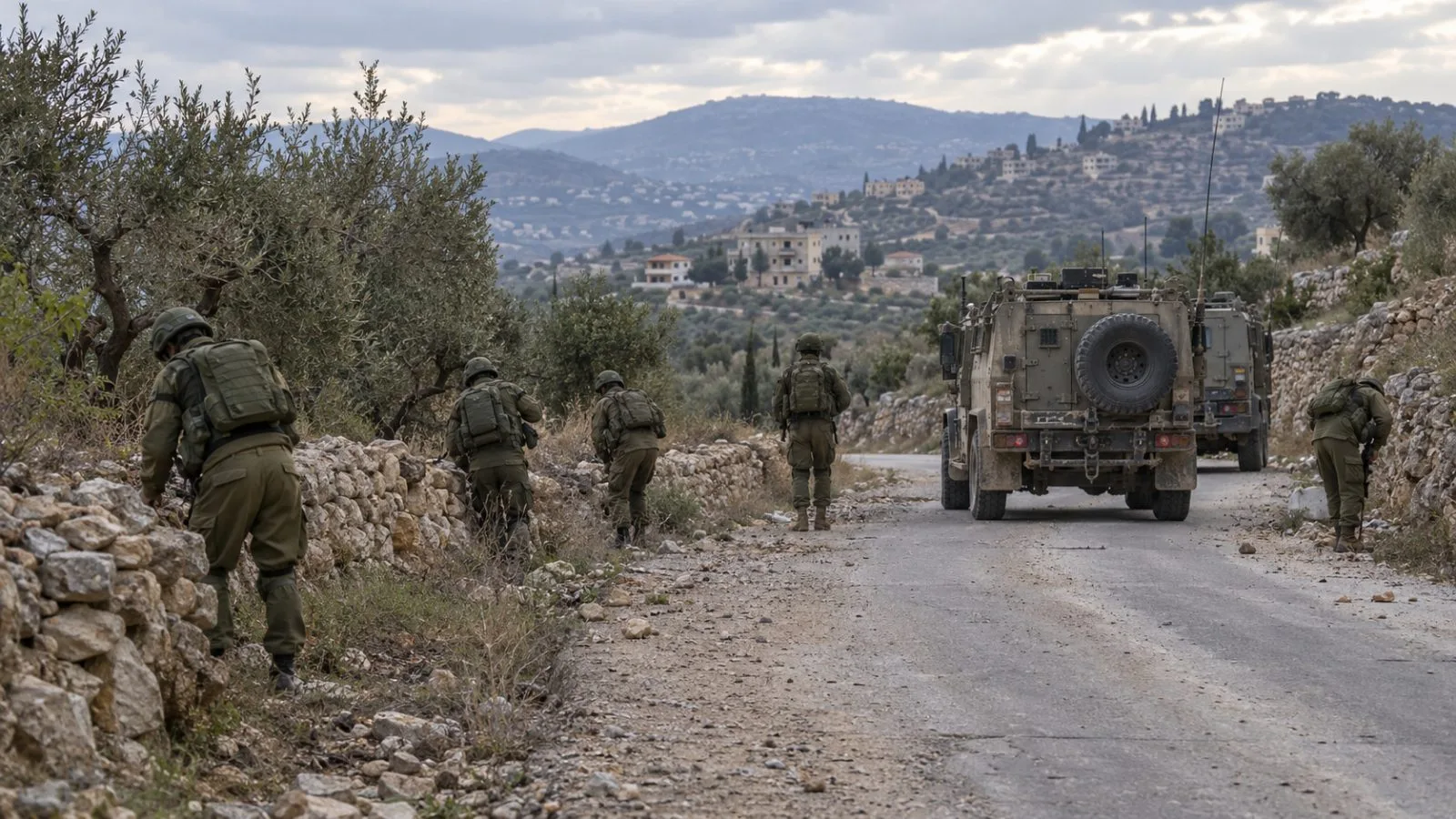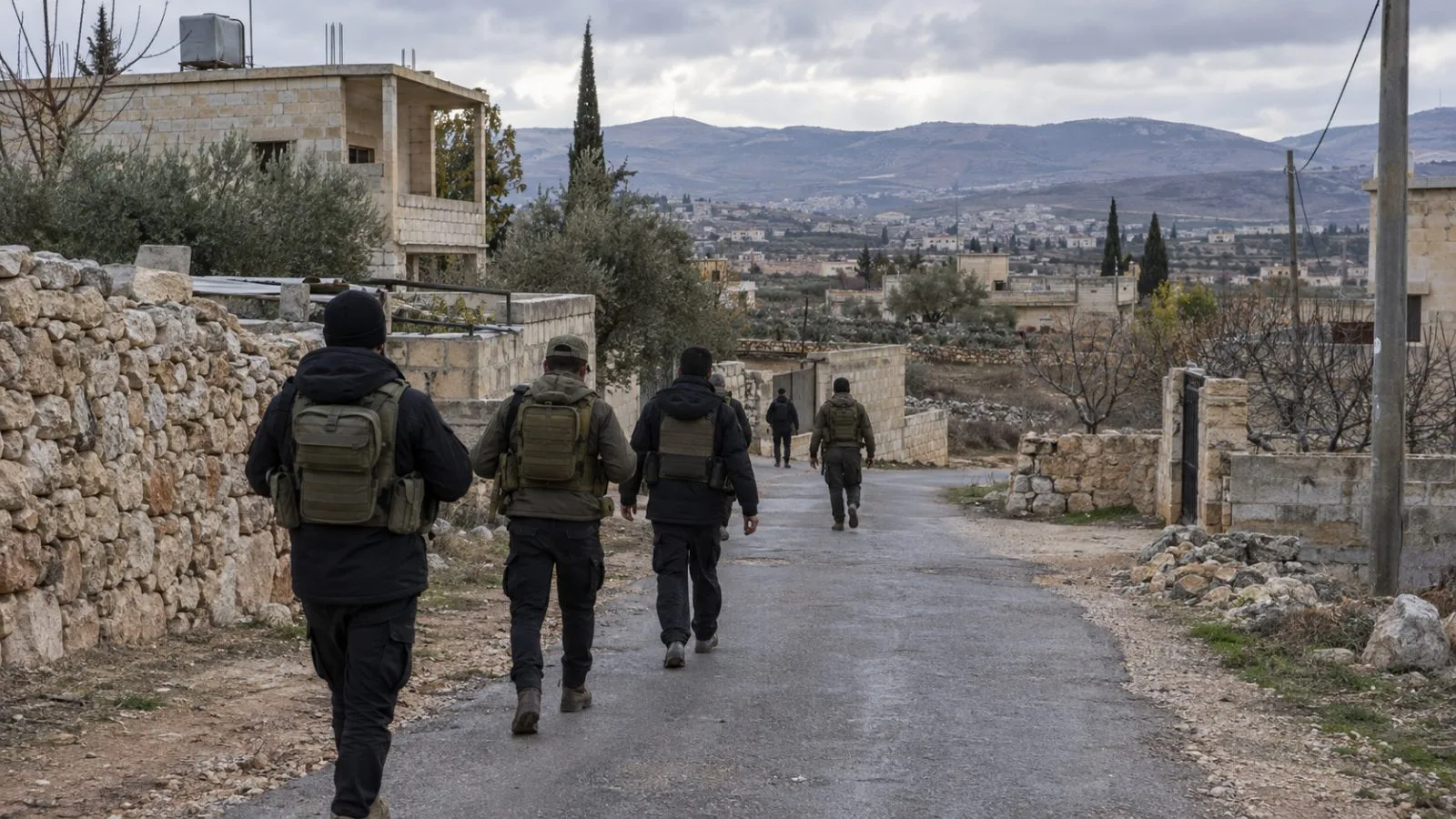
L’Orient Today reported that Hezbollah’s refusal to discuss its weapons before Israel ends its occupation and attacks puts the group at odds with Lebanon’s state-led arms plan and a U.S.-brokered security framework.
In its account of the Oct. 28 statement, the outlet said Hezbollah Secretary-General Naim Qassem tied any discussion of the group’s arms to a change in Israel’s presence and military actions in Lebanon. Qassem also described the Iran-U.S. memorandum as a “source of strength,” L’Orient Today reported.
Lebanon’s Cabinet acted on March 2, declaring Hezbollah’s military and security activity unlawful and directing the group to put its weapons under state authority. It tasked the army with carrying out an existing plan to limit arms north of the Litani River.
A trilateral framework signed in Washington on June 26 by the United States, Israel and Lebanon establishes pilot zones for a gradual transfer of security duties to the Lebanese Armed Forces. Israeli redeployments are tied to that process and are to be verified, according to the State Department text.
An Associated Press-published transcript of the Iran-U.S. memorandum says it promises a permanent halt to military operations on every front, Lebanon included, and affirms the country’s sovereignty and territorial integrity. It names the United States, Iran and their allies but does not identify Hezbollah or define a process for handling the group’s weapons.
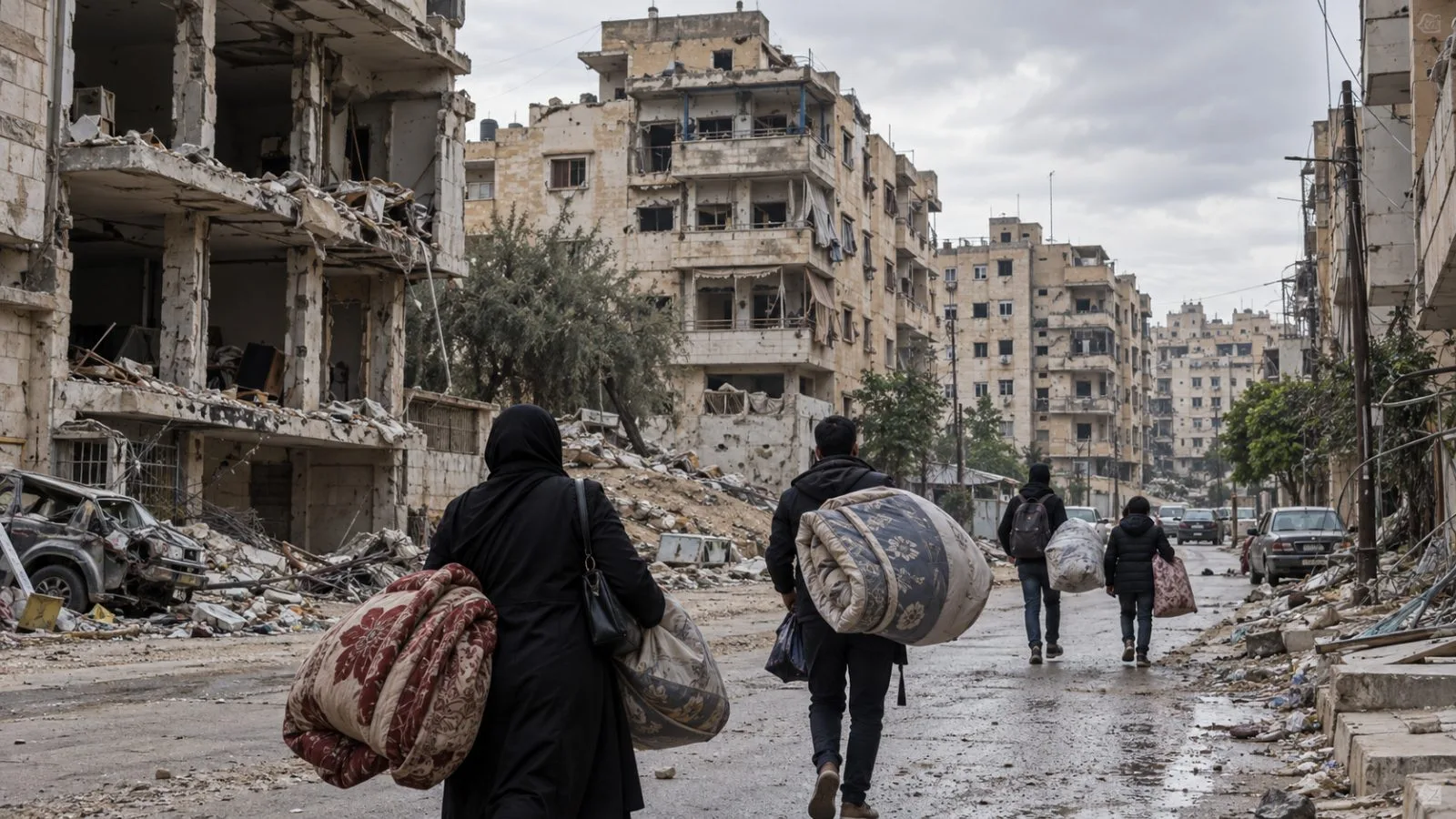
The United Nations Population Fund (UNFPA) reported that 330,000 people remained internally displaced as of Sept. 29. The agency also cited continued hostilities and restricted humanitarian access in southern Lebanon. Separately, it said movement restrictions along the “Yellow Line” were constraining aid operations and impeding safe returns.
Reuters reported Oct. 26 that Iran sent tens of millions of dollars to support Hezbollah’s military rebuilding, a report EconoTimes previously covered in its article on the funding.