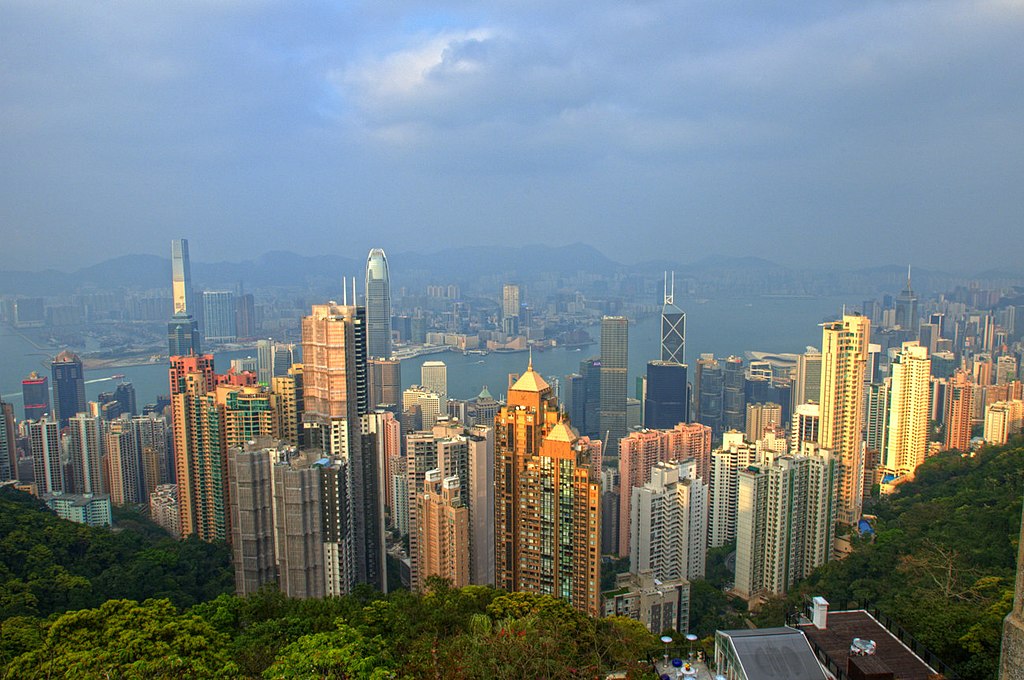
Hong Kong’s economy is projected to remain resilient in 2026, with growth expected between 2.5% and 3.5%, according to Financial Secretary Paul Chan’s annual budget speech. The forecast signals renewed momentum for the global financial hub after several years of budget deficits, with the government anticipating a gradual return to a stronger fiscal position.
Chan emphasized that while global uncertainties persist, Hong Kong is strategically positioned to capture emerging opportunities. He noted that protectionism in major economies and ongoing global economic fragmentation will continue to shape international trade. However, the rapid rise of the “Global South” and shifts in global trade and investment flows are expected to unlock new markets and fresh growth drivers for Hong Kong’s economy.
The government is also intensifying its push into technology and artificial intelligence to strengthen Hong Kong’s competitiveness and deepen integration with mainland China. Amid ongoing trade tensions and concerns over China’s economic slowdown, innovation and digital transformation are being prioritized as long-term economic pillars.
A key highlight of the budget is Hong Kong’s alignment with China’s upcoming 15th Five-Year Plan. For the first time, the city will formulate its own five-year development blueprint in parallel with the national strategy. The Chief Executive will lead a cross-bureau and cross-departmental task force to ensure Hong Kong proactively integrates with the country’s broader economic and technological roadmap.
This coordinated policy approach aims to reinforce Hong Kong’s role as an international financial center while accelerating growth in high-value sectors such as fintech, artificial intelligence, and advanced technology. By focusing on fiscal stability, innovation, and regional integration, Hong Kong is positioning itself for sustainable economic growth despite ongoing global headwinds.