The plastic surgery industry has seen a boost in demand globally in recent years. Thanks to advancements in technology, surgeons can apply newer equipment and techniques to treatment.
As the plastic surgery industry embraces technology, cosmetic and plastic treatments become safer and more efficient. Cosmetic surgery clinics worldwide reported a rise in demand for treatment in 2020. Without technology, it would be challenging for the industry to offer specific procedures or achieve the same results.
More Treatment Options
Technology provides a pathway for companies to test and try new treatments. With the availability of new devices, products, and techniques, plastic and cosmetic surgery clinics can offer an array of procedures. Thanks to scientific advancements, GraceMed plastic surgery clinics can embrace a new era of technological-driven equipment and techniques to enhance the body, skin, and face.
As technology drives innovation, clinics have better access to new drugs, treatments, devices, and social media support. Technology also allows for a better understanding of blood supply to the skin, muscle, and bone for researchers to create viable treatment options that target different problems.

Visualize Potential Results
According to the American Association of Plastic Surgeons (ASPS), facial recognition technology improves plastic surgery. The technology can quantify how a procedure has refreshed one’s appearance and help a surgeon assess a patient’s pain level during the surgery.
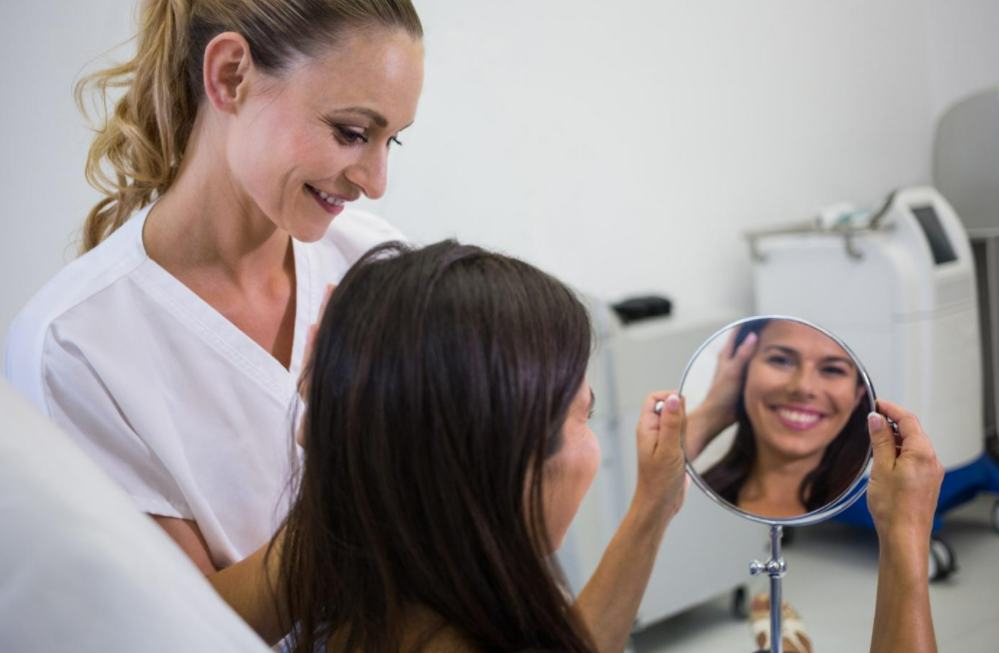
Other techniques such as 3D animations allow patients to visualize what their results may look like after surgery. An idea of how the treatment may look provides patients with a sense of comfort and the ability to make an informed decision about the procedure.
Higher Research Scope
Research labs greatly benefit from innovations as they use new technology to enhance their studies and reports. Technology allows researchers to speed up the process and reduce the risk of human error. It is simpler to collect data and effectively use them for research due to technological advancements.
Technology also allows access to data from a distance, reducing research limitations. The ability to access information globally increases the research scope for many labs and researchers.

More Efficiency in Task Completion
Technology automates tasks that humans previously performed. Modern machines go through a rigorous process to become efficient and fulfill tasks. The acceleration in treatment may also reduce costs associated with human error.
According to research, environmental factors in an operating room such as clutter, congestion, noise and lighting can affect surgical performance and increase human error. However, advancements in technology can reduce these risks with simpler technology that doesn’t create clutter with its parts and wires.
Reduced Risk
Since technology allows researchers and manufacturers of modern devices to create personalized solutions for surgeries, treatment is less risky. Technology allows doctors and other medical professionals to efficiently plan surgeries, reducing operative time and the risk associated with the treatment.
Innovations also create opportunities for plastic and cosmetic surgery clinics to use new equipment and techniques that pose fewer risks for patients.
You can enjoy the benefits of aesthetic and medical surgeries at low risk, thanks to continuous innovations led by the evolution of technology.
This article does not necessarily reflect the opinions of the editors or management of EconoTimes