


 Bitcoin Posts 42.7% Q3 Gain as ‘Uptober’ Begins Amid Crypto Turmoil
  Bank of America Sees EUR/USD at 1.15 by Year-End
  Goldman Sachs Names CATL, Zenergy Top China Battery Picks
  XRP Asia Launches to Accelerate XRPL Adoption Across Asian Banks
  Merz to Meet ECB Frontrunners Knot and De Cos
  Putin Says Western Firms Could Regain Russian Assets
  Cardano Price Struggles as NIGHT Token Surges 20%
  Ripple and Cardano Expand Blockchain Adoption in Brazil
  MSTR Stock Rises 3% as Strategy Challenges MSCI Bitcoin Stance
  Evernorth Set for Nasdaq Debut With 473 Million XRP Treasury
  Hyperliquid Sets $856 Million HYPE Token Unlock for October
  TRUMP Memecoin Launches New Dinner Contest
  Israel Tightens Pilot Security After Flydubai Incident
  Trump Says Iran War Could End Soon After Midterms
  Bitcoin Exchange Reserves Hit Multi-Year Low at 2.68 Million BTC
  Standard Chartered Sees Ethena ENA Hitting $2 by 2028
  Israeli Settler Attack in West Bank Kills Palestinian


 Add as a preferred source on Google
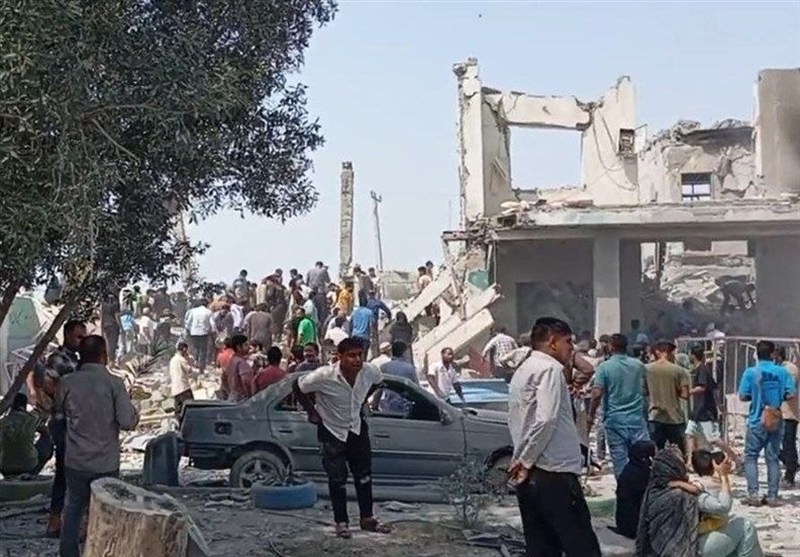

On February 28, the US and Israel launched a war against Iran following weeks of US military build-up in the region and threats from US President Donald Trump.
In the ensuing weeks, Iran has retaliated by striking US assets in the Persian Gulf states and targets across Israel. Israel has launched a ground invasion into southern Lebanon in response to attacks from Hezbollah.
Oil and gas shipments through the Strait of Hormuz have come to a virtual standstill, threatening a global energy crisis. And thousands have been killed, most in Iran and Lebanon.
The entire Middle East has been affected by this war – and the region will no doubt be very different once it’s resolved.
We asked five experts in international politics and Middle East studies to explain the most important changes they see happening following the war.

Chris Ogden is a senior research fellow with the Foreign Policy Centre, London.
Andrew Thomas, Jessica Genauer, Kristian Coates Ulrichsen, and Scott Lucas do not work for, consult, own shares in or receive funding from any company or organisation that would benefit from this article, and have disclosed no relevant affiliations beyond their academic appointment.
Scott Lucas, Professor of International Politics, Clinton Institute, University College Dublin








