


 RBA Says ASX Still Falls Short on Governance and Risk Controls
  Oil Prices Fall as Middle East Exports Recover, G7 Eases Supply Fears
  Trump Opens Tax-Exempt Dyed Diesel Access as Fuel Prices Surge
  India-US Trade Deal Talks Hit Plateau, Sitharaman Says
  Nasdaq Hits Record High as Tech Stocks Lift Wall Street
  France Student Protests Intensify Nationwide
  California Woman Arrested Over Alleged Spying on Taiwan President’s Son
  US Caribbean Vessel Strike Kills Four
  Australia Probes Flydubai Co-Pilot’s Links After FZ1073 Hijack Attempt
  World Bank Raises South Asia Growth Forecast to 6.9%
  Wall Street Rises as Oil Prices Ease, Nasdaq Hits Record
  RBI Rate Hike Bets Surge as Inflation Rises
  Trump Gaza Peace Plan Stalls as Israel Retains Control
  Flavio Bolsonaro Surges as Family Scores Brazil Election Comeback
  Ukraine Faces $56 Billion Budget Gap as War Costs Soar


 Add as a preferred source on Google
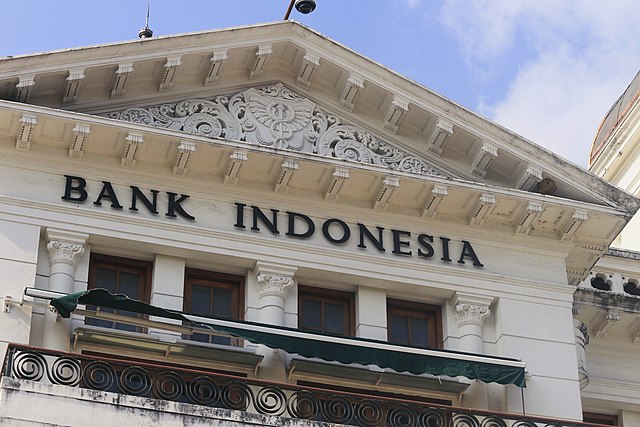
Indonesia’s parliament has approved a sweeping new law that expands the role of Bank Indonesia in supporting economic growth while granting lawmakers greater authority to evaluate the country’s independent financial regulators and central bank. The legislation was passed by acclamation on Thursday, receiving support from all political parties during a plenary session led by Deputy Speaker Sufmi Dasco Ahmad.
Although the full text of the bill has not yet been released publicly, the measure has sparked concerns among investors and market participants. Critics fear the law could increase political influence over Bank Indonesia, potentially weakening its independence as President Prabowo Subianto pushes forward with an ambitious economic agenda aimed at achieving 8% annual growth during his presidency.
Finance Minister Purbaya Yudhi Sadewa told parliament’s finance commission that the revised legislation would expand existing requirements for the central bank. Under the new framework, Bank Indonesia will be expected to implement policies that help create a favorable environment for real-sector growth, investment, and job creation.
The bill’s passage was widely expected given the strong political backing enjoyed by President Prabowo’s coalition, which controls more than 80% of parliamentary seats. Even the largest party outside the governing alliance has stated that it does not consider itself part of the opposition.
The legislative change comes at a challenging time for Indonesia’s economy and financial markets. International credit rating agencies Moody’s and Fitch recently downgraded Indonesia’s credit outlook from stable to negative, citing concerns about policy credibility and predictability.
Investor sentiment has also weakened significantly. The Indonesian rupiah has fallen more than 7% against the U.S. dollar in 2026, making it one of the worst-performing emerging-market currencies in Asia. On Thursday, the currency reached a record low of 18,045 rupiah per dollar. Meanwhile, the Jakarta Composite Index (JKSE) has declined by more than 30% since the start of the year.
While promoting sustainable economic growth has long been part of Bank Indonesia’s mandate alongside maintaining price stability and exchange-rate stability, analysts will be closely watching how the new law affects the balance between economic growth objectives and central bank independence.







