


 Arthur Hayes Announces FLOP Testnet Launch Within Weeks
  NEAR Protocol Leads AI Crypto Rally Amid Fed Rate Hike Fears
  Trezor Cuts Reseller Network After Ledger Security Breach
  Zcash Plans Quantum-Resistant Security Upgrade for January
  Epic Games Delays Disney Shooter, Shifts to AI-First Development
  Apple Supplier Luxshare Sees Limited Impact From US Patent Probe
  Robinhood Chain Eyes Priority Gas Auctions for Faster Trades
  Arm Breaches Qualcomm License Deal, Jury Awards $2
  Amazon in Talks to Acquire AI Startup Decart for $7 Billion
  Alibaba Unveils Qwen AI Smart Glasses, Shares Rise 2%
  AT&T Sells Mexico Wireless Business to Televisa for $2 Billion
  Elon Musk Eyes Semiconductor Manufacturing Expansion With $15 Billion Terrafab Project
  Meta Launches Muse Wonder AI Models, Shares Rise 3.7%
  Arm Shares Fall Over 3% After Qualcomm Wins License Dispute
  Apple Supplier Luxshare Faces US Patent Probe, Sees Limited Impact
  Samsung, SK Hynix Shares Fall as China's CXMT Advances DRAM Technology
  Yandex Data Center Hit by Drone Strike as Russia-Ukraine Cyber Infrastructure Attacks Escalate


 Add as a preferred source on Google
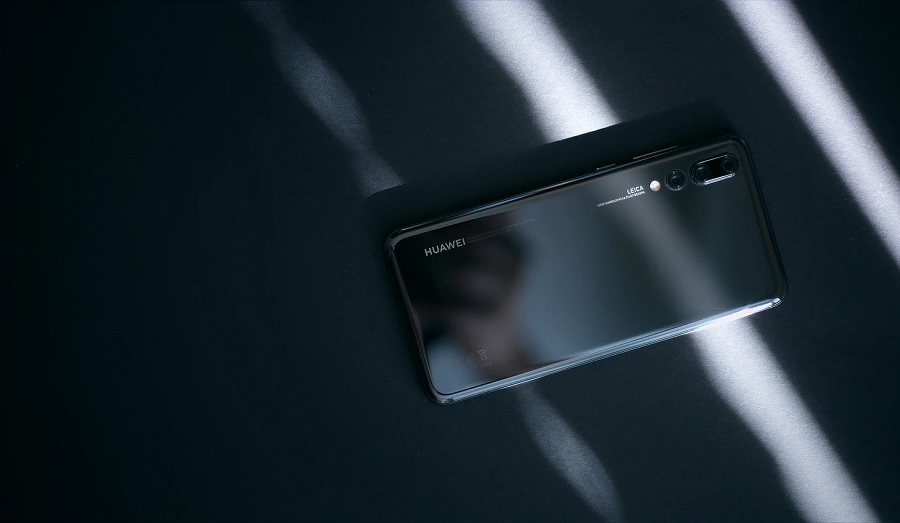
Huawei’s HarmonyOS, also known as the Hongmeng operating system, is expected to launch on smartphones in the future. While a clear timeline is not available at this point, a supposed list of eligible devices has emerged online, suggesting the operating system could power up close to 50 Huawei and Honor-branded smartphones.
Huawei HarmonyOS will be released on smartphones, but it could take time
HarmonyOS is expected to become Huawei’s operating system that powers its devices in the near future as the company navigates the ongoing US trade ban. However, it could take time before it actually arrives on smartphones.
A software development toolkit (SDK) for the HarmonyOS 2.0 beta was released for developers last September when the operating was unveiled. However, it will only support devices with very limited RAM. That is expected to change by December as Huawei plans to launch the operating system’s SDK for smartphones. As for the smartphones that run on HarmonyOS, the wait is expected to continue until 2021.
Huawei Central reported that a list of eligible devices for the HarmonyOS 2.0 operating system includes 48 products that mostly include smartphones and a few wearables and tablets. The listed Huawei smartphones range from the Huawei Nova 6 SE to the Huawei Mate 40 series.
What is Huawei HarmonyOS?
HarmonyOS was a crucial part of Huawei’s developer conference last September where the company unveiled the HarmonyOS 2.0. It is a microkernel-based operating system that was originally designed to support the Internet of Things devices. Back in 2019, Huawei executives confirmed the development of the operating system but were adamant that it was not meant to replace Android on their smartphones.
However, the United States’ trade ban on the Chinese major tech company obviously tightened throughout 2019 that resulted in Huawei’s addition to the US Entity List. “The U.S. Government has determined that there is reasonable cause to believe that Huawei has been involved in activities contrary to the national security or foreign policy interests of the United States,” the official document reads.
It was then not surprising when the HarmonyOS 2.0 become one of the biggest announcements at Huawei’s developer conference last September. During the event, the company appeared to be more open to using HarmonyOS on smartphones. Current Huawei and Honor devices still use Android in the international market, but the trade ban has prevented the company from using Google services. This explains why the newer Huawei and Honor smartphones no longer have the Google Play Store.







