


 INWIT Shareholders Explore $7.1 Billion Take-Private Deal
  Airbus Tests Valkyrie Combat Drone in Europe for Eurofighter Integration
  Morgan Stanley Predicts $10 Trillion RWA Market by 2030
  Amazon Cuts More Jobs as AI Investment Expands
  Apple Names Steve Smith M&A Chief in Leadership Shakeup
  Ethereum Foundation-Linked Wallets Move $11.13M in ETH to Kraken
  European Auto Stocks Rise as EU-China Trade Deal Targets Hybrid Imports
  Coinbase CEO Backs SEC Accredited Investor Reform
  Samsung, SK Hynix Shares Fall as China's CXMT Advances DRAM Technology
  Orsted to Take Full Ownership of UK Offshore Wind Farm for £15 Million
  Apple Cuts iPhone 18 Pro Production Orders Amid Weak Demand
  Albertsons Seeks $9.3 Billion From Kroger Over Failed Merger
  Epic Games Delays Disney Shooter, Shifts to AI-First Development
  Trump Buys Up to $25M in Meta Stock, Invests in SpaceX Debt
  Jameson Lopp Downplays AI Threat to Bitcoin Cryptography
  Anthropic Launches Claude Dashboards and Motion AI Tools
  Bank of America Predicts Yen Rebound as USD/JPY Faces Risks


 Add as a preferred source on Google
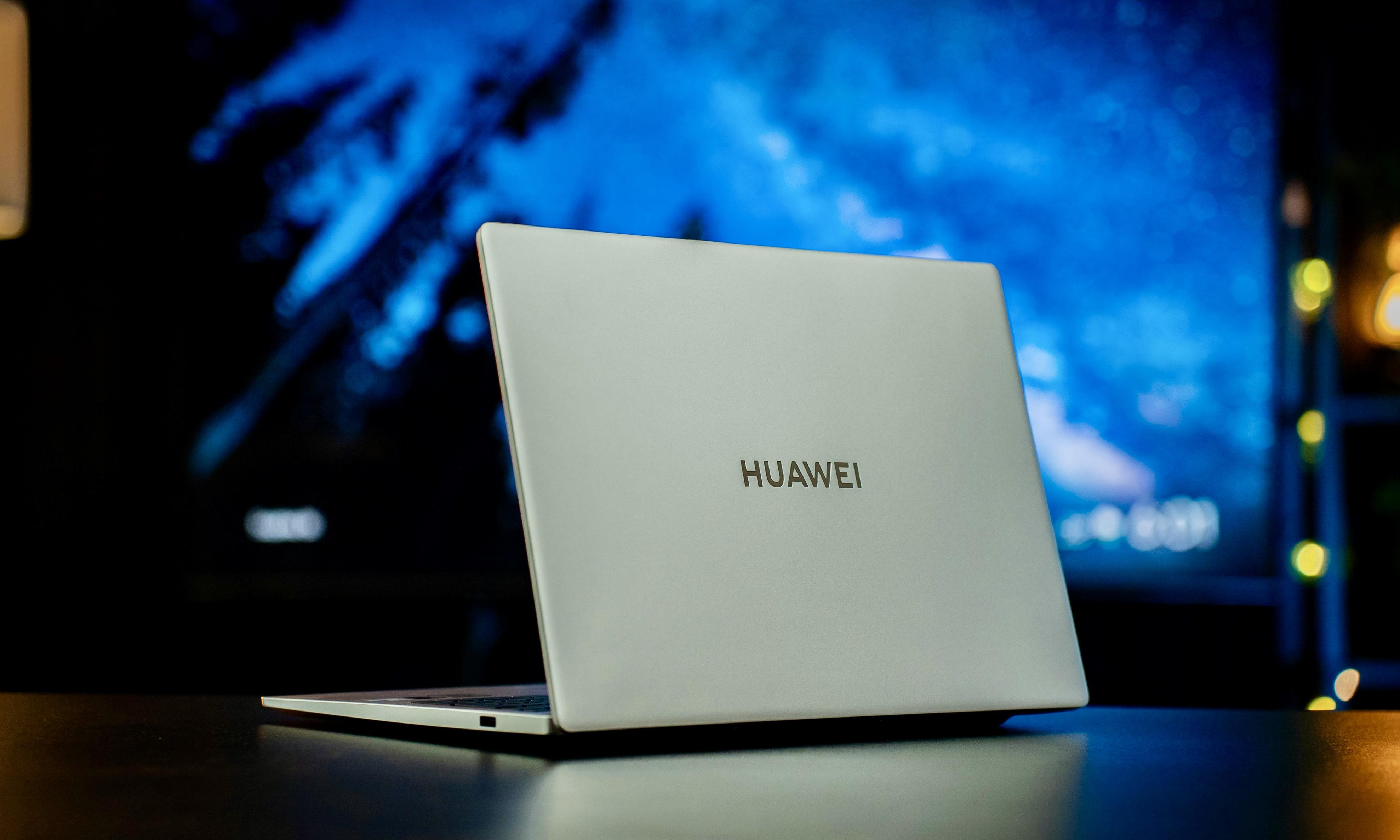
Huawei's chip development team is rumored to be working on a next-generation Kirin CPU that could give Apple's M3 a run for its money. The chip is expected to leverage the innovative Taishan V130 architecture, focusing on multi-threaded performance enhancements.
Huawei's Strategic Advancements in CPU Technology
According to @FixedFocus(via HC Newsroom), a Weibo tipper, the system-on-chip is expected to feature the company's next-generation Mailiang 920 GPU with 10 clusters, a whopping 32GB RAM, and a generous 2TB storage.
This is a significant leap in performance compared to the quad-cluster Mailiang 910 GPU used in the Kirin 9000s. This advancement promises a substantial boost in performance for the new Kirin CPU.

Rivaling Apple's M3: Huawei's Competitive Edge
This leak also suggests that Huawei aims for its upcoming HiSilicon Kirin SoC for client PCs to deliver graphics performance on par with Apple's M2 and multithread performance comparable to Apple's M3, setting high expectations for the new chip.
Huawei's next-generation HiSilicon Kirin CPU is expected to have eight general-purpose Arm cores, including four next-generation high-performance Taishan V130 cores (the Kirin 9000s employs Taishan V120 cores) and four energy-efficient cores.
The Weibo tipper did not specify the precise name of the chip other than to say that it is the "Kirin PC Chip." In any case, the leak asserts that Huawei's HiSilicon could release "Pro" and "Max" configurations of higher-performance Kirin SoCs, including a redesigned GPU, more general-purpose cores, and a more comprehensive memory interface, similar to Apple's offerings.

Huawei's Role in China's Push for Semiconductor Self-Sufficiency
Tom's Hardware shares that building more advanced Kirin CPU variants for desktops and laptops may not be wise for Huawei since the company does not hold the 8%–10% worldwide PC market share that Apple does.
Yet, Huawei's high-performance Kirin CPUs may play a significant role in displacing more expensive AMD and Intel components from PCs used by different government departments as China aims to become self-sufficient in the semiconductor industry.
Photo: Amanz/Unsplash







