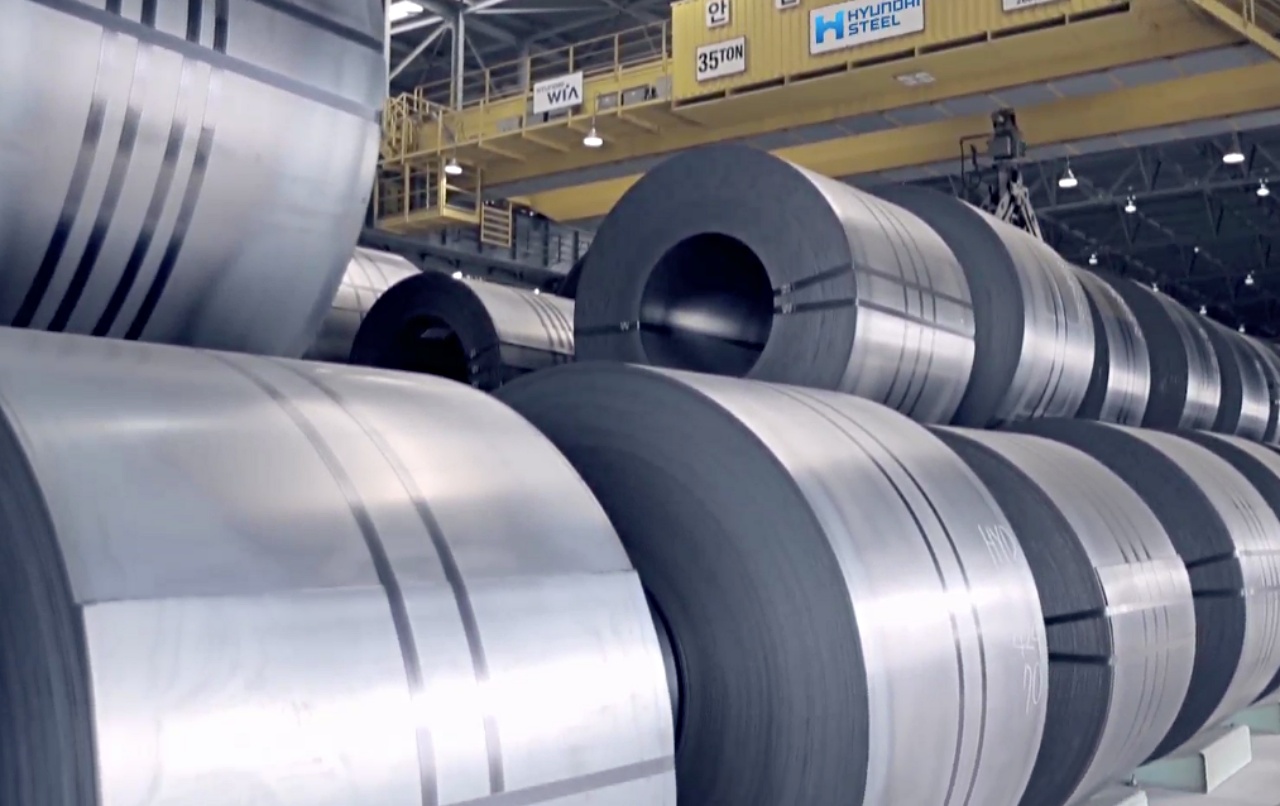
Hyundai Steel is under pressure after announcing a $6 billion U.S. investment, part of Hyundai Motor Group's broader $21 billion pledge made at the White House in March. The move, seen as politically motivated amid evolving U.S. trade policy and tariffs, triggered a 21.2% drop in Hyundai Steel’s share price, outpacing declines in rival POSCO and the broader Korean market.
During a call with investors, Hyundai admitted the plan lacked detailed funding clarity but cited urgency due to fast-moving U.S. tariff developments and limited domestic political support following President Yoon Suk Yeol’s impeachment. Executives hoped the investment would bolster South Korea’s position in upcoming tariff talks with Washington.
However, concerns remain. Investors questioned the project's timing, its location in Louisiana—far from Hyundai Motor’s existing U.S. plants—and whether demand will justify capacity to supply steel for 1.8 million vehicles annually. The investment comes as Hyundai Steel struggles with weak domestic demand, labor strikes, and an influx of low-cost Chinese steel.
Hyundai plans to fund half the project through borrowing, while POSCO may participate as an equity partner. The company maintains the investment aligns with growing U.S. demand for high-quality, low-carbon steel and is independent of tariff negotiations. Still, trade experts suggest that better coordination with the South Korean government could have strengthened its leverage.
Hyundai Motor and Kia, heavily reliant on U.S. sales, have courted former President Trump, who recently imposed a 25% tariff on imported cars with no exemptions for Korean products. While Hyundai claims the investment targets sustainable steel, many workers in South Korea remain uneasy, fearing underinvestment in local operations as factories face shutdowns.
As talks with U.S. officials continue, the strategic impact of Hyundai’s bold move remains uncertain.